 Save to Pinterest
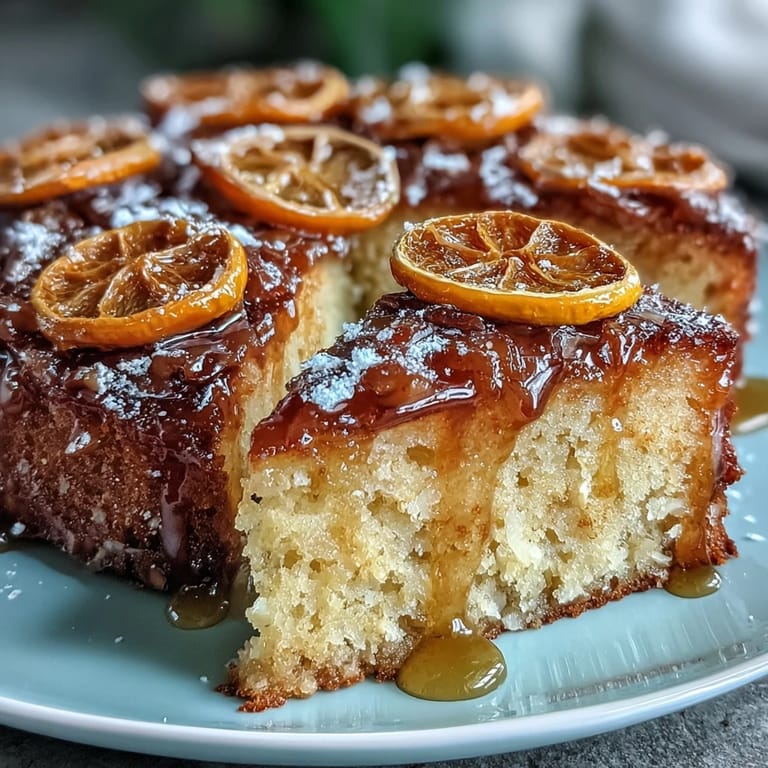
 One afternoon, my neighbor brought over a jar of candied oranges she'd made the week before, and I found myself staring at those translucent, jewel-like slices wondering what on earth to do with them. I'd never been much of a baker, especially not anything fancy, but something about those oranges sparked an idea—what if I built a cake around them? The result was this tender almond cake that's somehow both rustic and elegant, the kind of dessert that makes people ask for the recipe before they've even finished their slice.
I baked this cake for my mother's book club, and the women spent more time talking about the candied oranges than they did about the novel they were supposed to discuss—which felt like the highest compliment possible. One guest asked if the oranges were store-bought, and when I admitted I'd made them myself that same day, she looked genuinely shocked that something so beautiful could come from my small kitchen.
Ingredients
- Medium oranges: Choose ones with thin skin and good color; they're easier to candy and taste more fragrant than thick-skinned varieties.
- Granulated sugar (for candying): This transforms the orange slices into glossy, tender jewels that catch the light like stained glass.
- Water: Keep it measured precisely so the syrup reaches that perfect amber color without becoming too thick.
- Almond flour: Buy it finely ground, not the coarser almond meal, which changes the cake's texture; Bob's Red Mill and Barney Butter brands work beautifully.
- Granulated sugar (for cake): This sweetens the batter while the whipped eggs create lift and structure without flour.
- Large eggs: Room temperature eggs whip faster and incorporate more air, giving the cake its tender crumb.
- Extra virgin olive oil or melted unsalted butter: Olive oil keeps it vegan-friendly and adds a subtle Mediterranean warmth; butter gives richness if you prefer.
- Vanilla extract: Use real vanilla, not imitation; it rounds out the citrus without competing with it.
- Orange zest: Microplane it fresh right before mixing to capture those fragrant oils at their peak.
- Salt: Even a small amount deepens the almond flavor and balances the sweetness beautifully.
- Baking powder: Make absolutely certain it's certified gluten-free if that matters for your table.
- Sliced almonds (optional garnish): Toast them lightly first if you want deeper flavor and better texture contrast.
- Powdered sugar: A light dusting at the end adds elegance and a hint of sweetness that frames the candied oranges.
Tired of Takeout? 🥡
Get 10 meals you can make faster than delivery arrives. Seriously.
One email. No spam. Unsubscribe anytime.
Instructions
- Set your stage:
- Preheat the oven to 350°F and prepare your springform pan with parchment paper. Having everything ready means you won't scramble once the eggs hit the bowl.
- Candy the oranges:
- In a wide saucepan, combine sugar and water over medium heat, stirring until the sugar dissolves. Arrange orange slices in a single layer and simmer gently for 15-20 minutes, turning occasionally, until they turn completely translucent and the edges become slightly caramelized. This is when you'll know they're ready—lift one slice and hold it to the light and you should see right through it.
- Cool and arrange:
- Transfer the candied oranges to a wire rack and let them cool completely. Once cool, arrange them in a single, overlapping layer on the bottom of your prepared pan, reserving the syrup in the saucepan for later.
- Whip eggs and sugar:
- In a large bowl, whisk together the eggs and sugar for about 2 minutes until the mixture becomes pale, thick, and ribbony. You'll notice the volume increase and the color lighten—this is the air incorporating, which is your cake's secret to tenderness.
- Build the batter:
- Slowly whisk in the olive oil or melted butter, then vanilla extract, orange zest, and salt until everything is smooth and combined. Gently fold in the almond flour and baking powder using a rubber spatula, being careful not to deflate all those air bubbles you just created.
- Pour and bake:
- Carefully pour the batter over the candied oranges and smooth the top with a spatula. Bake for 45-50 minutes until the cake is golden brown and a toothpick inserted in the center comes out clean or with just a few moist crumbs.
- Cool and invert:
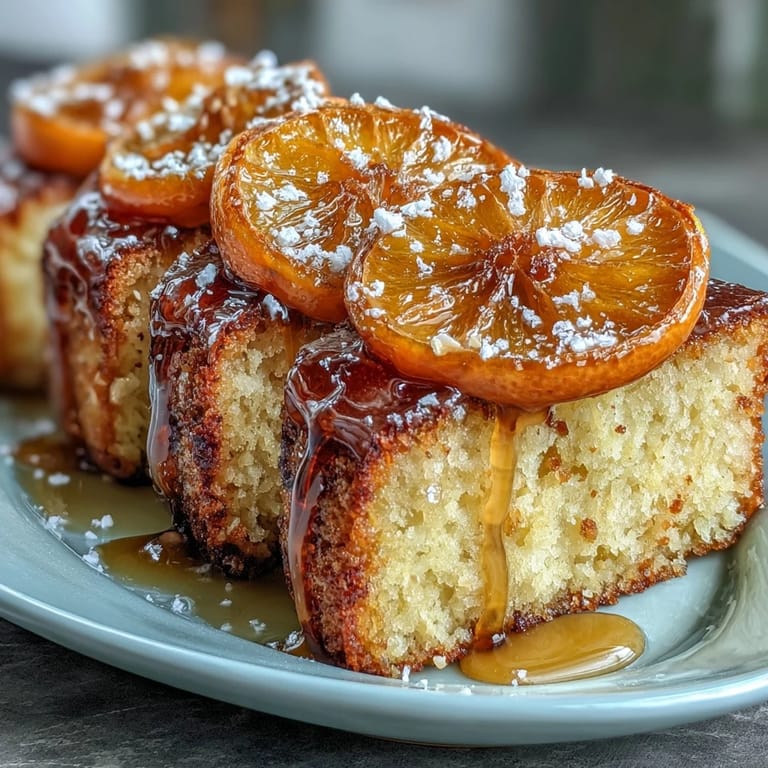
- Let the cake rest in the pan for 15 minutes—this allows it to set enough to hold together but while it's still warm enough to release cleanly. Run a thin knife around the edges and invert it onto a serving plate so the beautiful candied oranges face up.
- Finish with shine:
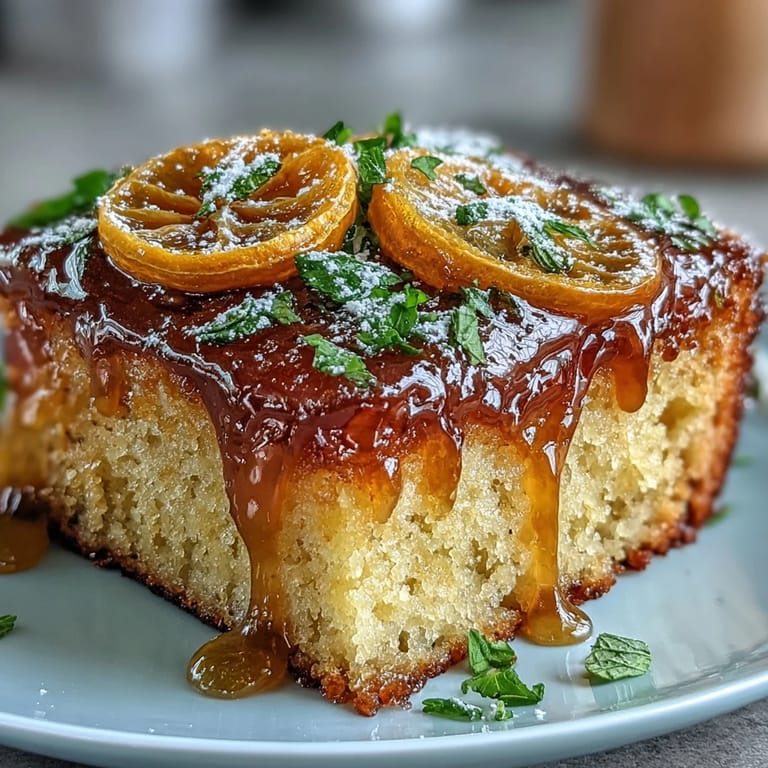
- Brush the reserved orange syrup across the top of the warm cake; it'll soak in slightly and add both moisture and a gorgeous glossy finish. Scatter sliced almonds over the top and dust lightly with powdered sugar if you like.
 Save to Pinterest
 This cake became something of a tradition after that first book club appearance. My friend Sarah asked me to make it for her daughter's graduation brunch, and watching three generations of women huddle around the table comparing bites felt like being part of something bigger than just dessert. That's when I realized this cake had become a love language in my kitchen.
The Magic of Candied Citrus
Candying oranges is one of those kitchen projects that feels fancy but teaches you patience in the most gentle way. The first time I did it, I kept checking on the slices every few minutes, convinced something would go wrong, but there's really nothing that can—the low, steady heat is forgiving, and the sugar syrup gradually transforms ordinary orange slices into something that looks like it came from a patisserie. The kitchen fills with this incredible fragrance that lingers for hours afterward, and somehow that smell becomes part of the memory of making the cake.
Why Almond Flour Changes Everything
Baking without wheat flour initially felt like I was missing an essential ingredient, but almond flour taught me that structure comes from whipped eggs and the binding power of moisture, not just gluten. This cake is tender in a completely different way than traditional cakes—almost velvety in how it dissolves on your tongue. Once I understood that, I stopped mourning the absence of flour and started celebrating what almonds brought instead: a subtle richness, a slightly denser crumb, and a nuttiness that marries perfectly with citrus.
Storage, Serving, and Small Celebrations
This cake improves slightly as it sits, the flavors deepening over a day or two, which is genuinely rare in baking. I've found it tastes best at room temperature, maybe with a small dollop of whipped cream or tangy Greek yogurt alongside, though I've also served it cold straight from the fridge on hot afternoons. The way the candied oranges catch the light when you slice into it never gets old, and somehow the cake always feels like more than just dessert—it feels like an occasion.
- Store the cake covered at room temperature for up to 3 days; the almond flour keeps it moist longer than wheat flour cakes typically stay fresh.
- If you want extra citrus complexity, swap one orange for a lemon when making the candied topping—the tartness creates an interesting contrast.
- Brush the warm cake with syrup rather than cold, because warm cake absorbs it more readily and the flavors meld better.
 Save to Pinterest
 There's something deeply satisfying about a cake that's naturally gluten-free but tastes nothing like health food—just honest, delicious, and beautiful. Every time I make it, I remember that afternoon with the candied oranges and smile.
Recipe Questions & Answers
- → How do I prepare the candied orange slices?
Simmer thinly sliced oranges in a mixture of sugar and water for 15-20 minutes until translucent, then cool on a wire rack before using.
- → Can I use butter instead of olive oil?
Yes, melted unsalted butter can be used for a richer flavor, but this will no longer be dairy-free.
- → Is almond flour interchangeable with other nut flours?
Almond flour provides moisture and texture unique to this cake, so substitutes may alter the outcome significantly.
- → How should the cake be stored to maintain freshness?
Store covered at room temperature for up to three days to keep the cake moist and flavorful.
- → Can the cake be made citrus-free?
The vibrant citrus is key to the flavor profile, but for variation, lemon can replace one orange in the candied topping.