 Save to Pinterest
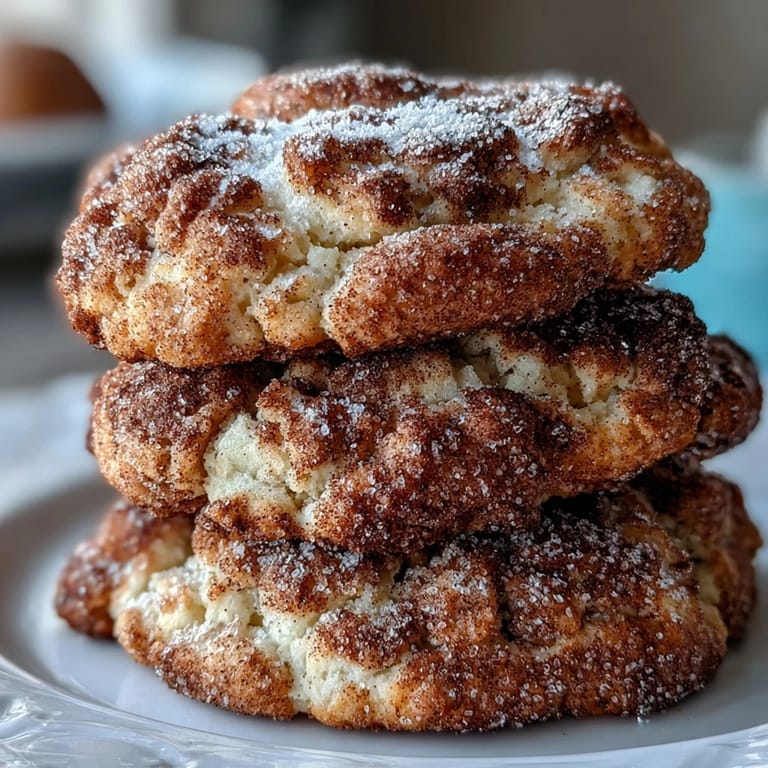
 My neighbor showed up one afternoon with a container of cottage cheese she couldn't finish, and I was standing in my kitchen wondering what on earth to do with it. That's when I remembered my grandmother mentioning how cottage cheese makes the most impossibly soft cookies, and something clicked—what if I turned it into snickerdoodles? The first batch came out puffy and tender with this subtle tang that made people pause mid-bite and ask what was different about them.
I brought a batch to my book club last month, and within ten minutes someone was asking for the recipe while another person was already on their second cookie. What made me smile wasn't just that they disappeared—it was watching people genuinely surprised by how light and pillowy they were, expecting something dense and getting the opposite instead.
Ingredients
- Cottage cheese (1 cup): Use full-fat if you can find it, as it creates a richer crumb and hides any worry about them being dry. I learned the hard way that low-fat works but gives you less margin for error.
- Unsalted butter (1/2 cup, softened): Softened butter beats into the cottage cheese like a dream, creating this creamy base that's impossible to achieve if you start with cold butter.
- Granulated sugar (1 cup): This sweetens the dough and helps with spreading, so don't skip it or substitute brown sugar unless you want cookies that are too cakey.
- Egg (1 large): The binder that holds everything together without making them tough—room temperature eggs mix in smoother than cold ones.
- Vanilla extract (2 tsp): Real vanilla makes a noticeable difference here because the cottage cheese tang actually plays off the vanilla beautifully.
- All-purpose flour (2 1/4 cups): Measure by spooning into your measuring cup and leveling off, not by scooping straight into the bag, which compacts the flour and throws off the ratio.
- Cream of tartar (1 1/2 tsp): This is what makes snickerdoodles snickerdoodles—it reacts with baking soda to give them that characteristic spread and crackle, plus it adds a subtle tang that pairs perfectly with the cottage cheese.
- Baking soda (1/2 tsp) and baking powder (1/2 tsp): Together they create lift without making the cookies cakey, but use fresh leavening agents or you'll end up with flat disappointments.
- Salt (1/2 tsp): A small pinch that makes everything taste more like itself.
- Cinnamon sugar coating (1/4 cup sugar mixed with 2 tsp ground cinnamon): This is where the magic happens—use good cinnamon because you'll actually taste it, and don't skimp on the amount or your cookies will look boring.
Tired of Takeout? 🥡
Get 10 meals you can make faster than delivery arrives. Seriously.
One email. No spam. Unsubscribe anytime.
Instructions
- Set the stage:
- Preheat your oven to 350°F and line two baking sheets with parchment paper so you're not scrambling when the dough is ready. This takes two minutes and saves you from panic.
- Build the creamy base:
- In a large bowl, beat the cottage cheese, softened butter, and sugar together until it's smooth and creamy, which takes about two minutes with an electric mixer. You want no visible cottage cheese curds—just a uniform, pale mixture that looks like it could be frosting.
- Add the wet team:
- Mix in your egg and vanilla extract, beating until everything is fully incorporated and the mixture looks a shade lighter than before. This usually takes about a minute, and you'll see the texture change as air gets beaten in.
- Combine dry ingredients separately:
- In a separate bowl, whisk together your flour, cream of tartar, baking soda, baking powder, and salt so the leavening agents distribute evenly. This step prevents you from having some cookies that puff and others that stay flat.
- Bring it together gently:
- Gradually add the dry mixture to the wet ingredients, stirring until just combined—this is where patience matters because overmixing creates tough cookies. Stop stirring as soon as you don't see flour streaks anymore.
- Make your coating:
- Mix sugar and cinnamon in a small bowl and set aside, giving yourself a moment to appreciate how fragrant cinnamon becomes when you're about to use a lot of it. The smell is half the appeal.
- Shape and coat:
- Scoop tablespoon-sized portions of dough and roll them into balls, then immediately roll each ball in the cinnamon sugar until fully coated. The warmth of your hands helps the sugar stick, creating that signature cinnamon-dusted look.
- Space them out:
- Place cookies two inches apart on your prepared baking sheets because they'll spread a little, and you want them to bake evenly without touching. Crowding them is the fastest way to end up with one giant cookie.
- Bake with attention:
- Bake for 11 to 13 minutes—the edges should look set and the tops should appear just barely dry, still looking slightly underbaked. They'll continue cooking on the hot pan after you pull them out, so don't wait until they look fully done or they'll be crispy instead of soft.
- Cool with patience:
- Let them sit on the baking sheet for five minutes so they firm up enough to move without falling apart, then transfer them to a wire rack to cool completely. This step is non-negotiable if you want soft cookies instead of ones that crumble when you pick them up.
 Save to Pinterest
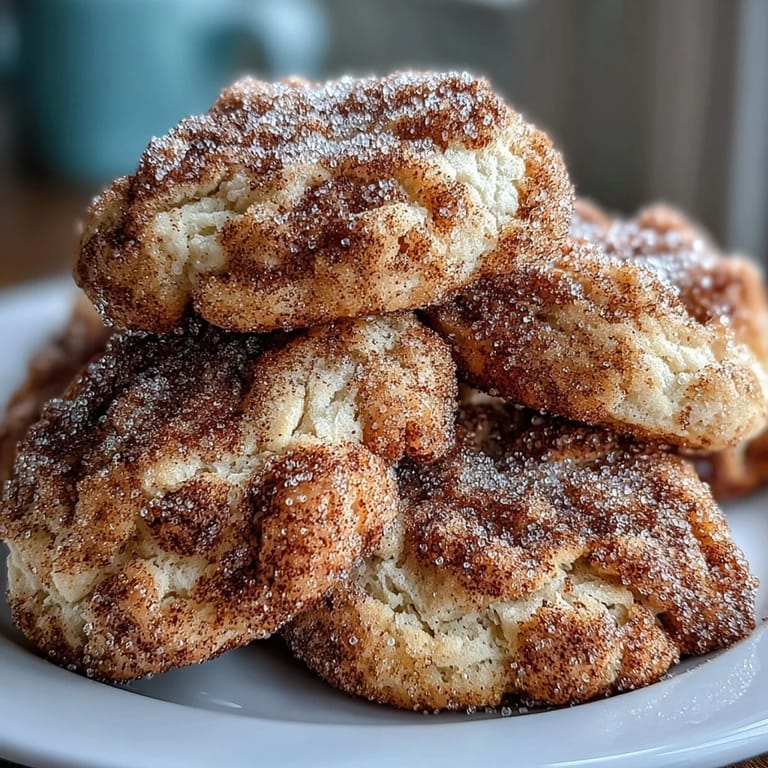
 There's something about watching someone's face when they realize how soft these cookies are that never gets old. My daughter now requests them for her school bake sale, and I've learned to make double batches because they disappear before I can even count them.
The Secret of Cottage Cheese in Baking
I used to think cottage cheese belonged in savory dishes until I started experimenting with it in sweets. The moisture it adds keeps cookies from going stale, and the mild tang creates this subtle complexity that makes people struggle to identify exactly what makes them taste different. It's like adding a secret ingredient that nobody can quite name, which is honestly the best compliment a baker can get.
Why the Cinnamon Sugar Matters
The cinnamon sugar coating isn't just decoration—it's where most of the flavor happens because the cinnamon blooms and intensifies as the cookies bake. I once made a batch with stale cinnamon from the back of my cabinet, and they tasted like something was missing, so invest in fresh spices if you can. The difference is genuinely noticeable and worth the small extra effort.
Storage and Serving Ideas
These cookies stay soft in an airtight container for up to five days, which is perfect for having them on hand when you need a quick treat or an unexpected guest shows up hungry. I keep them in a jar on my counter and somehow they're always there when I want one with my afternoon tea.
- Pair them with chai, coffee, or hot chocolate for a cozy moment that feels like a small celebration.
- They also work beautifully alongside ice cream if you want to turn them into a sandwich cookie or just crumble them over vanilla for texture.
- If they start to feel a tiny bit stale after a few days, warm them in a 300°F oven for two minutes and they'll be soft again.
 Save to Pinterest
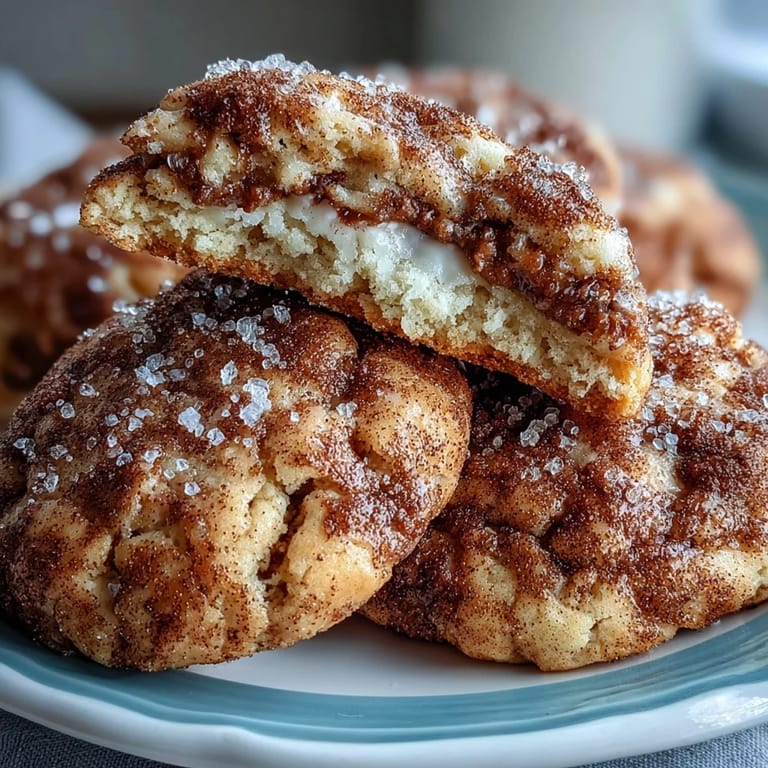
 These cookies feel like coming home, soft and familiar with just enough tanginess to make them interesting. I think you're going to love them as much as I do.
Recipe Questions & Answers
- → What makes these cookies soft and pillowy?
The cottage cheese and butter blend creates moisture and tenderness, resulting in soft, pillowy cookies.
- → Can I substitute ricotta for cottage cheese?
Yes, ricotta offers a milder flavor while maintaining a soft texture similar to cottage cheese.
- → How does cinnamon sugar affect the cookies?
Rolling the dough balls in cinnamon sugar adds a fragrant, warm coating that enhances the sweet flavor profile.
- → What is the role of cream of tartar in these cookies?
Cream of tartar acts as an acid to activate baking soda, helping the cookies rise and giving snickerdoodles their characteristic texture.
- → How can I ensure the cookies stay soft after baking?
Avoid overbaking; remove the cookies when edges are set and tops appear dry, then cool on the baking sheet to retain softness.