 Save to Pinterest
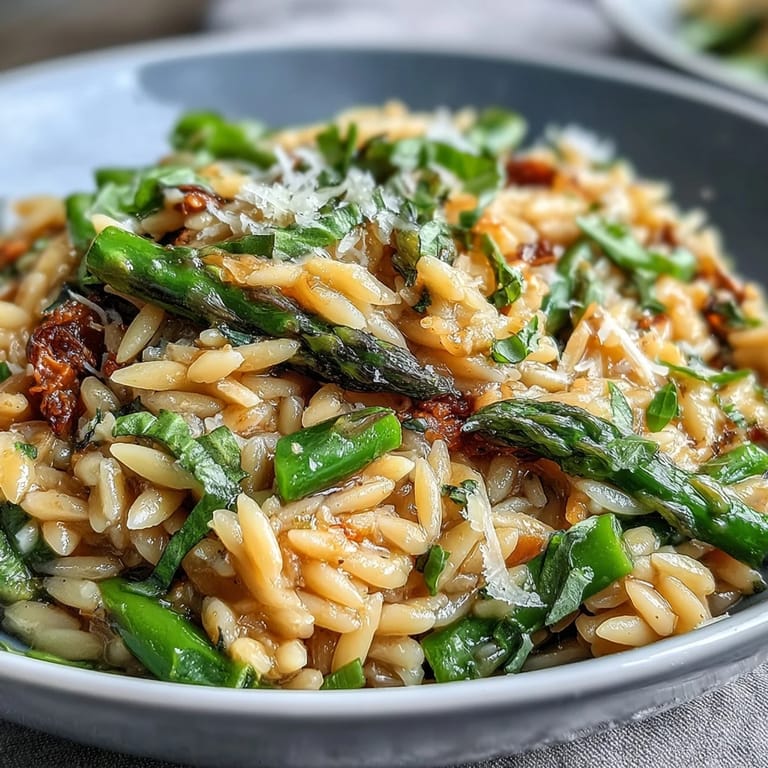
 There was something about the first warm breeze through my kitchen window this spring that nudged me to finally make something as lively as the weather outside. I found myself humming while chopping vegetables, drawn in by the green and gold of asparagus and zucchini against the countertop. This Orzo Primavera isn’t a family heirloom, it’s my ode to those peculiar moments when sunlight feels edible. The aroma of basil and lemon zest mingling in the pan made me realize how a handful of fresh ingredients could liven up an ordinary weeknight. The best part Fiercely simple, always reliable, and just as radiant as a spring afternoon.
Once, I made this for my friend Jamie, who showed up on my doorstep with a crate of mismatched produce from her garden. We ate at my tiny kitchen table with the window open, passing forks and stories and not worrying whether the orzo got a little sticky—because in that moment, it tasted like a picnic in Rome.
Ingredients
- Orzo pasta: Its playful texture soaks up the lemony sauce; stir it well to keep from clumping
- Olive oil: Good oil makes the vegetables taste brighter, so use your favorite bottle
- Asparagus: I trim the woody ends and cut into bite-size pieces for even cooking
- Sugar snap peas: Leave them crisp for a snappy, fresh contrast
- Zucchini: Dice evenly so it cooks without going mushy
- Cherry tomatoes: Their juice sweetens everything—halve so they burst just enough
- Frozen peas: Toss in thawed, preserving their green pop
- Shallot: Its gentle flavor weaves in without overpowering the vegetables
- Garlic: Two cloves is my goldilocks zone for aroma without sharpness
- Parmesan cheese: Grate fresh for maximum melt and flavor; a little extra never hurts
- Fresh basil: Slice just before serving to keep its punchy aroma intact
- Unsalted butter: The secret to silky, rich sauce—stir in off the heat
- Salt and black pepper: Season with a pinch, taste, and adjust at the very end
- Lemon zest and juice: Zest first, then juice—the fragrance is half the magic
Tired of Takeout? 🥡
Get 10 meals you can make faster than delivery arrives. Seriously.
One email. No spam. Unsubscribe anytime.
Instructions
- Cook the orzo:
- Get your salted water bubbling, add the orzo, and stir occasionally so nothing sticks. Reserve a splash of pasta water before draining for later creaminess.
- Sauté aromatics:
- Warm olive oil in a large skillet and toss in the shallot and garlic, listening for that gentle sizzle and inhale deeply.
- Add spring veggies:
- Cut asparagus, zucchini, and snap peas join the fun, softening and turning brilliant as you stir for a few minutes.
- Tomatoes and peas:
- Halved cherry tomatoes and green peas tumble in, their sweetness beginning to mingle as they warm through.
- Combine orzo and veggies:
- Scoop the cooked orzo into the skillet and toss everything until well mixed and sunny-looking.
- Create the sauce:
- Swirl in butter, shave in plenty of parmesan, and add the lemon zest and juice; ladle in pasta water a bit at a time for a luscious finish.
- Season and add basil:
- Take the pan off the heat, season boldly, and sprinkle basil; stir gently, letting the herbs release their aroma.
- Serve:
- Pile high onto plates, finishing with a cloud of cheese and extra basil if you’re feeling fancy.
 Save to Pinterest
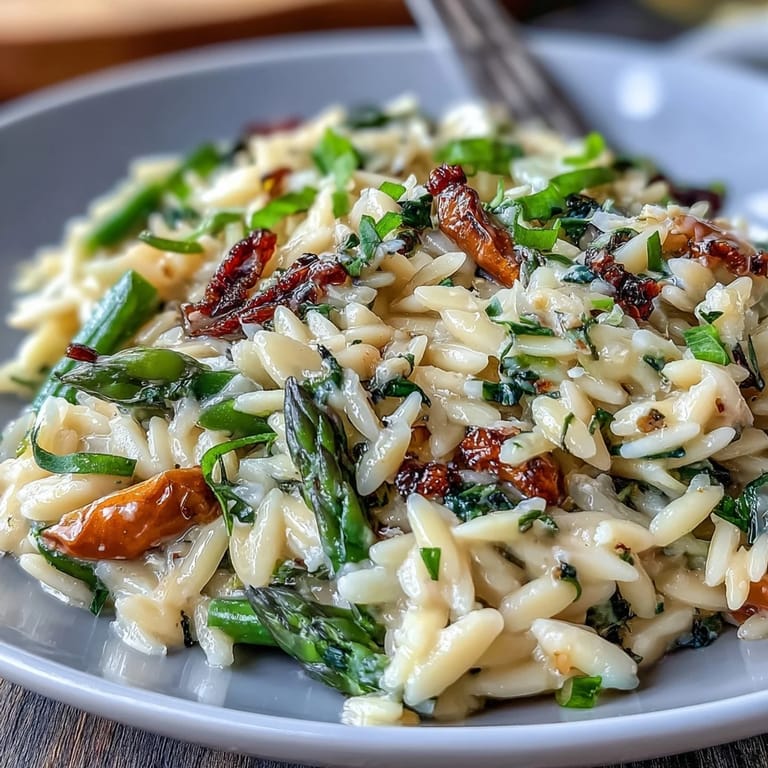
 When my little niece discovered she loved eating 'tiny rice' (her words) that night, and asked for seconds with veggies included, I realized this dish had quietly become a bridge between picky eaters and spring itself.
When You Want to Change It Up
If I’m feeling adventurous, I’ll trade asparagus for slivers of bell pepper or slip in a handful of baby spinach at the finish. It’s the kind of recipe that invites bold swaps and never judges when your crisper drawer looks wild.
Make It Vegan or Protein-Packed
The base is cheerful with or without the dairy—vegan butter and plant-based parmesan melt in just fine. Leftover grilled chicken or a toss of sautéed shrimp are also welcome if you want extra heft for a crowd.
Saving Leftovers (or Not Letting There Be Any)
This lasts beautifully for next-day lunches if you stash it in an airtight container and add a drizzle of olive oil before reheating so it stays silky and lively.
- Add a splash of lemon juice before serving again for fresh zing
- Taste for salt, since flavors mellow after sitting overnight
- Don’t be afraid—room temperature works for picnic lunches too
 Save to Pinterest
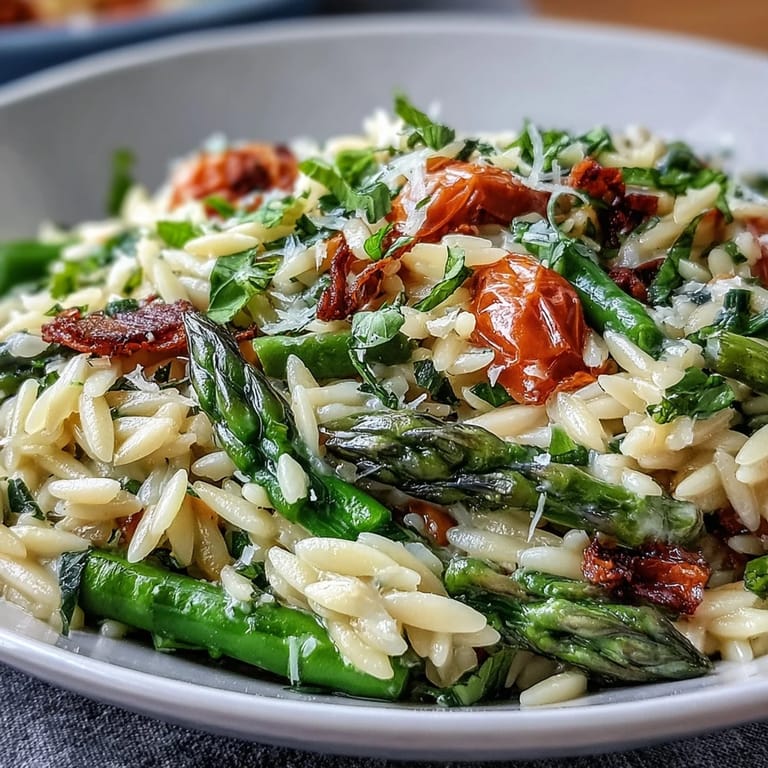
 May your kitchen always smell as inviting as spring and your forkfuls be bright with possibility. This orzo has yet to meet someone it couldn’t charm.
Recipe Questions & Answers
- → How long should I cook orzo to keep it al dente?
Cook orzo according to package instructions and start tasting a minute or two before the lower end of the time range. Drain when it’s tender but still slightly firm at the center; carryover heat will soften it a touch as you finish the dish.
- → How do I make a creamy finish without cream?
Reserve a bit of the starchy pasta water and add it gradually with butter and grated parmesan while tossing the orzo. The starch plus cheese and butter emulsify into a silky coating without any cream.
- → Can I swap or add other vegetables?
Yes — baby spinach, artichoke hearts, bell peppers or blanched broccolini all work well. Add firmer vegetables earlier and delicate greens at the end to keep bright color and texture.
- → How should I season to keep flavors balanced?
Season in layers: a pinch of salt in the cooking water, taste the vegetables as you sauté, then adjust salt and pepper after adding cheese and lemon. Lemon zest and juice brighten the dish without overpowering.
- → What are good protein additions?
Grilled chicken, sautéed shrimp or pan-seared tofu complement the dish. Add pre-cooked proteins at the final toss to warm through without overcooking.
- → How do I store and reheat leftovers?
Cool leftovers quickly and refrigerate in an airtight container for up to 3 days. Reheat gently in a skillet with a splash of water or broth and a little butter to revive the creamy texture.