 Save to Pinterest
 A friend once handed me a jar of black currant preserves from her garden in Sussex, and I became obsessed with turning it into something elegant. That obsession led me to this tart—a French-inspired creation where a butter-tender pastry cradles a tangy-sweet curd that's nothing short of magic. The first time I attempted it, I nearly gave up on the curd stage, convinced it would break, but something about whisking in that cold butter transformed it into silk. Now whenever I make it, the smell of lemon and black currants cooking down reminds me why I fell in love with this recipe.
I made this for my neighbor's dinner party on a rainy evening, and watching everyone's faces light up when they tasted that first bite was better than any compliment. She asked for the recipe three times, each with more urgency, and I realized then that this tart had become my secret weapon for impressing people without spending the whole day in the kitchen.
Ingredients
- All-purpose flour: The foundation of a pastry that shatters delicately—don't skip sifting if your flour feels dense.
- Unsalted butter, cold and diced: This is non-negotiable; warm butter means a tough, greasy crust, so freeze it beforehand.
- Powdered sugar: Dissolves instantly into the dough, adding subtle sweetness without the granular texture of regular sugar.
- Salt: A small amount brings out the pastry's buttery flavor and balances the filling's tartness.
- Egg yolk: Acts as the binder that brings the dough together without overdeveloping gluten.
- Ice water: Keep it genuinely icy; this prevents the butter from melting before baking.
- Fresh or frozen black currants: Frozen work beautifully here since the heat brings out their complexity anyway.
- Granulated sugar: Sweetens the curd while the acidic currants and lemon juice keep it bright and balanced.
- Eggs and egg yolks: The curd's structure depends on these, so use fresh ones and whisk gently to avoid introducing air bubbles that cause texture problems.
- Lemon juice and zest: Lemon is the secret weapon that prevents the curd from tasting one-dimensionally sweet.
- Unsalted butter for curd: Whisked in at the end for richness and a silky finish that's somehow lighter than you'd expect.
- Heavy cream: Cold cream whips to proper peaks much faster than room-temperature cream.
Tired of Takeout? 🥡
Get 10 meals you can make faster than delivery arrives. Seriously.
One email. No spam. Unsubscribe anytime.
Instructions
- Mixing the pastry dough:
- Whisk flour, powdered sugar, and salt together, then cut the cold butter into the mixture using your fingertips until it resembles coarse breadcrumbs—this texture is crucial because those little butter pockets steam during baking and create flakiness. Add the egg yolk and ice water, stirring just until the dough comes together; overworking develops gluten and makes it tough.
- Chilling the dough:
- Shape it into a disk, wrap it, and refrigerate for at least 30 minutes so the gluten relaxes and the butter stays firm. I often do this the day before, which also gives me flexibility with timing.
- Preparing and blind-baking the shell:
- Roll out the chilled dough on a floured surface and fit it into a 9-inch tart pan, trimming the excess and pricking the base with a fork to prevent puffing. Line with parchment paper and fill with pie weights or dried beans, then bake at 350°F for 15 minutes, checking that the edges are setting; remove the weights and parchment, then bake for 8–10 minutes more until the base is pale golden and feels dry to the touch.
- Creating the black currant curd:
- In a small saucepan, combine the black currants, granulated sugar, lemon juice, and zest, cooking over medium heat while stirring until the berries burst and the sugar dissolves—this should take about 5 minutes and will smell like summer captured in a pot. Puree the mixture using an immersion blender or regular blender, then strain through a fine mesh sieve to remove the skins, pressing gently to extract all the flavorful liquid.
- Cooking the curd base:
- Whisk the whole eggs and egg yolks together in a bowl, then gradually whisk in the warm currant puree while constantly stirring to temper the eggs without scrambling them. Return the mixture to the saucepan and cook over low heat, stirring frequently with a rubber spatula, until it thickens enough to coat the back of a spoon—this usually takes about 10 minutes, and you'll feel the mixture suddenly shift from thin to silky.
- Finishing the curd:
- Remove from heat and whisk in the cold butter pieces one at a time, letting each piece fully incorporate before adding the next; this creates an impossibly smooth texture. Let it cool slightly before pouring into the cooled tart shell.
- Setting the tart:
- Pour the still-warm curd into the pastry shell and refrigerate for at least 1 hour until completely set; the surface should feel slightly firm when you gently touch it.
- Preparing the whipped cream:
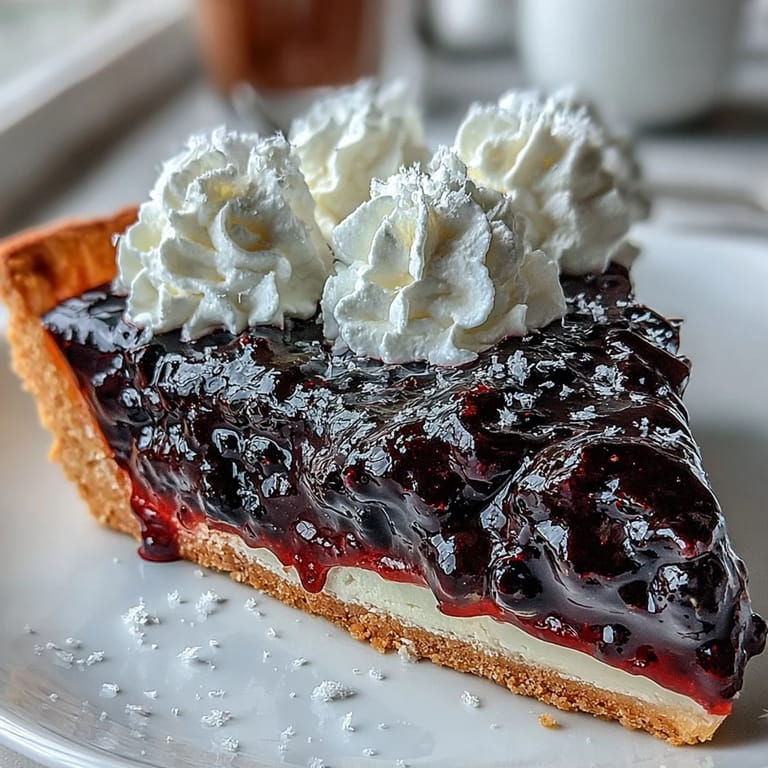
- Just before serving, pour cold heavy cream into a chilled bowl and whip with powdered sugar and vanilla extract using an electric mixer on medium-high speed until soft peaks form—stop before stiff peaks or you'll end up with butter. The cream should look billowy and light, not dense.
- Finishing and serving:
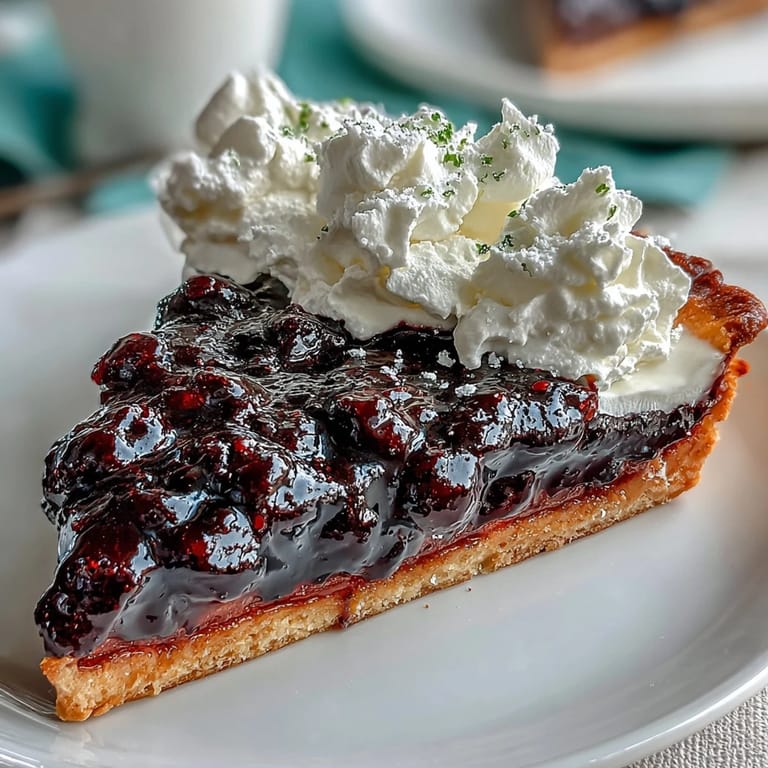
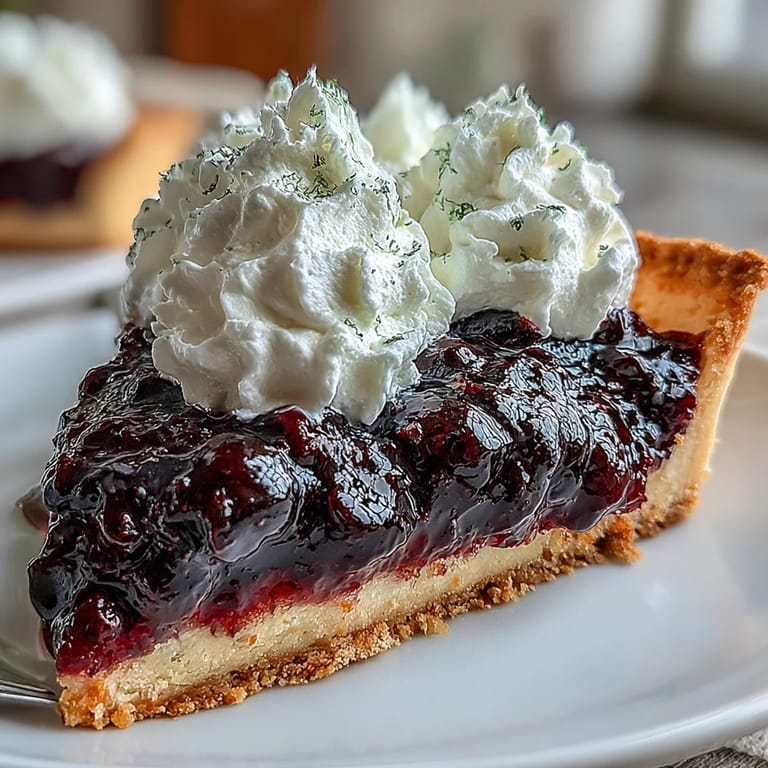
- Pipe or dollop the whipped cream generously over the chilled tart, creating a beautiful contrast between the deep jewel tones of the curd and the white cream. Slice with a sharp, warm knife dipped in hot water between cuts for clean edges.
 Save to Pinterest
 My sister ate two slices of this tart in silence, which for her means everything, and afterward she told me it reminded her of a café we visited in Lyon years ago. That moment made me realize that this tart isn't just dessert—it's a small edible memory that connects you to people and places.
The Secret to Pastry That Stays Crisp
The blind-baking step feels tedious, but it's the only thing standing between a soggy disappointment and a tart that actually cracks when you cut into it. I learned this the hard way by skipping it once, and the resulting tart tasted wonderful but had the texture of wet sand. The pie weights don't have to be fancy—dried beans work just as well, and I actually prefer them because they distribute heat more evenly than ceramic weights. The key is baking it fully before adding the curd, so the bottom has a chance to dry out completely.
Why Black Currants Matter More Than You'd Think
Black currants have this intriguing tartness that raspberries and blackberries can't quite replicate, a flavor that tastes almost floral when combined with lemon. If you can't find them fresh, frozen black currants work beautifully and sometimes taste even more intense because the freezing concentrates their flavor. The first time I made this tart in winter, I used frozen currants from a bag in my freezer, and a friend asked if I'd used some secret ingredient—it was just the natural complexity of the fruit shining through. They're worth seeking out in specialty markets or online, but I won't judge if you substitute blackberries or raspberries in a pinch.
From Pastry Shop Dreams to Your Kitchen
This tart looks like something you'd buy from a Parisian patisserie, but it's genuinely manageable at home if you respect the timing and don't overthink the steps. The most important thing is not rushing the chilling stages, which means planning ahead but also feeling less stressed because the actual hands-on time is surprisingly short. Once you've made this once, you'll realize it's simpler than most people imagine, and that's when you'll start making it for every special occasion.
- Chill your mixing bowl and beaters before whipping the cream to reach soft peaks faster.
- Make the pastry dough a day ahead and store it in the refrigerator for maximum convenience.
- Serve this tart the same day you add the whipped cream topping, or the pastry will eventually absorb moisture and soften.
 Save to Pinterest
 This tart is the kind of dessert that makes people think you spent hours in the kitchen when really you just understood the steps and didn't rush them. Make it when you want to feel a little fancy without the stress.
Recipe Questions & Answers
- → How do I achieve a crisp pastry shell?
Use cold butter, mix it quickly with flour, and chill the dough to relax gluten before baking. Blind baking with weights ensures the crust stays crisp.
- → Can I substitute black currants with other berries?
Yes, blackberries or raspberries work well, providing similar tartness and vibrant color in the curd.
- → What is the best way to make smooth black currant curd?
Cook currants and sugar until soft, then strain to remove skins. Gradually add eggs while gently cooking to thicken without curdling.
- → How should the whipped cream be prepared?
Chill the cream and bowl before whipping, then whip with powdered sugar and vanilla until soft peaks form for a light topping.
- → Can I add nuts to the tart base?
Yes, adding ground almonds to the pastry dough adds a nutty flavor and tender texture.