 Save to Pinterest
 There's something almost magical about hojicha powder—that toasty, roasted tea fragrance that fills your kitchen the moment you open the package. I stumbled upon this cake during a quiet afternoon spent browsing a Japanese bakery's pastry case, mesmerized by how delicate and cloud-like the sponge looked. The baker mentioned it was genoise infused with hojicha, and something about that combination of airy lightness and subtle smokiness wouldn't leave my mind. When I finally attempted it at home, I understood why: the tender crumb and silky cream layer created this unexpectedly comforting dessert that felt both sophisticated and deeply familiar.
I made this for my neighbor's birthday last spring, and what struck me most was watching her face when she took that first bite—not the polite smile people give, but genuine surprise at how tender and fragrant it was. She'd never had hojicha before, and suddenly she was asking questions about the tea, about Japanese flavors, about why this particular cake felt so different from the vanilla sponges she'd grown up with. That's when I realized this wasn't just a technical recipe; it was a small door opening to something unfamiliar and lovely.
Ingredients
- Eggs (4 large, room temperature): Room temperature eggs incorporate air more effectively during beating, which is the secret to that signature fluffy genoise structure.
- Granulated sugar (120 g / 2/3 cup): The sugar dissolves completely when whisked over gentle heat, creating a stable foam that holds the cake's airy crumb.
- Cake flour, sifted (120 g / 1 cup): Cake flour's lower protein content keeps the cake tender rather than dense; sifting before measuring prevents clumps that would weigh down your batter.
- Hojicha powder (20 g / 2 tbsp for cake, plus 10 g / 1 tbsp for cream): Hojicha's roasted, slightly nutty character adds depth without overpowering; look for it in Japanese markets or online, and avoid regular green tea powder as the flavor profile is completely different.
- Unsalted butter, melted and cooled (40 g / 3 tbsp): Butter must be melted but cool, and it gets tempered into a small amount of batter first to prevent it from deflating the whipped egg mixture.
- Whole milk, room temperature (30 ml / 2 tbsp): Milk adds moisture without adding too much liquid, keeping the cake tender and preventing the dryness that can happen with purely egg-based sponges.
- Fine sea salt (1/4 tsp): Just a pinch to enhance the subtler flavors and balance the sweetness.
- Heavy cream, minimum 35% fat (300 ml / 1 1/4 cups): Higher fat content whips to perfect peaks and holds its shape beautifully during assembly and serving.
- Powdered sugar (40 g / 1/3 cup): Dissolves instantly into the cream, creating smoothness without graininess.
- Vanilla extract (1 tsp): A whisper of vanilla complements hojicha without competing with it.
Tired of Takeout? 🥡
Get 10 meals you can make faster than delivery arrives. Seriously.
One email. No spam. Unsubscribe anytime.
Instructions
- Prepare your workspace:
- Preheat the oven to 170°C (340°F) and line only the bottom of your 20 cm cake pan with parchment paper—leaving the sides ungreased is crucial because the batter needs to cling to those walls as it rises. Gather everything you'll need within arm's reach; genoise waits for no one.
- Create a warm egg base:
- Place your room-temperature eggs and granulated sugar in a heatproof bowl set over a pot of gently simmering water, whisking constantly until the mixture feels warm (around 40°C / 104°F) and the sugar grains dissolve completely. This warming step is what gives genoise its lift—the warmth allows the eggs to incorporate more air than they would at room temperature.
- Whip to cloud-like perfection:
- Transfer the warm mixture to your electric mixer and beat on high speed for about 7 minutes until the batter transforms into something thick, pale, and tripled in volume—you should see ribbons of batter fall back into itself when you lift the beaters. Continue beating on reduced speed for 1 more minute to stabilize the foam structure, which is what keeps your cake fluffy rather than collapsing as it cools.
- Fold in the dry ingredients with care:
- Sift together the cake flour, hojicha powder, and salt, then fold this mixture into the egg foam in two additions, using gentle strokes with a rubber spatula and rotating your bowl as you work. The goal is complete incorporation without deflating all those precious air bubbles you just spent 8 minutes creating.
- Temperize the butter mixture:
- Combine the cooled melted butter and room-temperature milk in a small bowl, then scoop a generous portion of your batter into this mixture and stir until smooth. This prevents the butter from shocking the delicate batter and creating lumps, and then you fold this combined mixture back into the main batter in one final, gentle motion.
- Transfer and tap:
- Pour the finished batter into your prepared pan and tap it gently a few times against the counter to release any obvious air pockets—not aggressively, just enough to let gravity do its thing. Be respectful of your batter; it's done enough work already.
- Bake until just set:
- Bake for 23 to 25 minutes, watching for the moment when the top springs back when you gently press it and a skewer inserted in the center comes out clean. A few moist crumbs are okay, but wet batter means it needs a minute or two more.
- Cool with patience:
- Let the cake cool in the pan for 10 minutes (this helps it set and prevents it from tearing), then run a thin knife around the edges and invert it onto a cooling rack. Peel away the parchment paper and let it cool completely before slicing or assembling.
- Whip the hojicha cream:
- In a chilled bowl, sift together the hojicha powder and powdered sugar to avoid any lumps, add the cold heavy cream and vanilla extract, then whip on medium-high speed until you reach medium-stiff peaks. You want the cream to hold its shape without becoming grainy or separating into butter.
- Layer and chill:
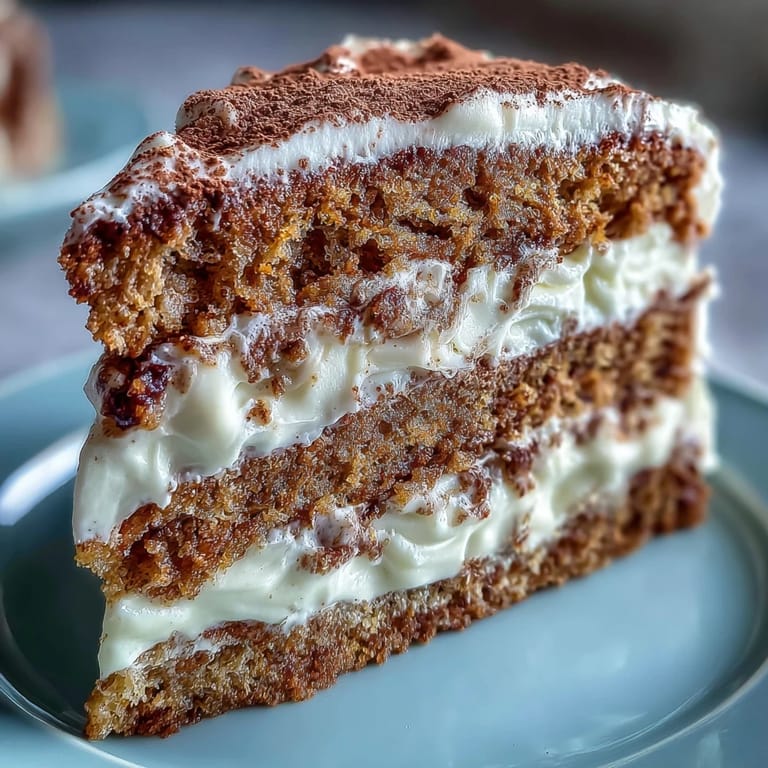
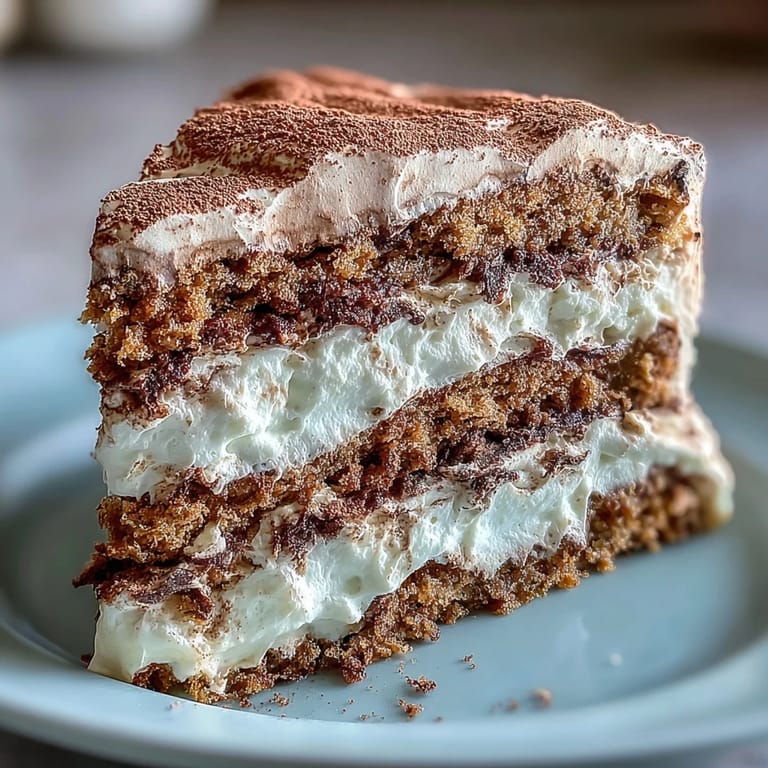
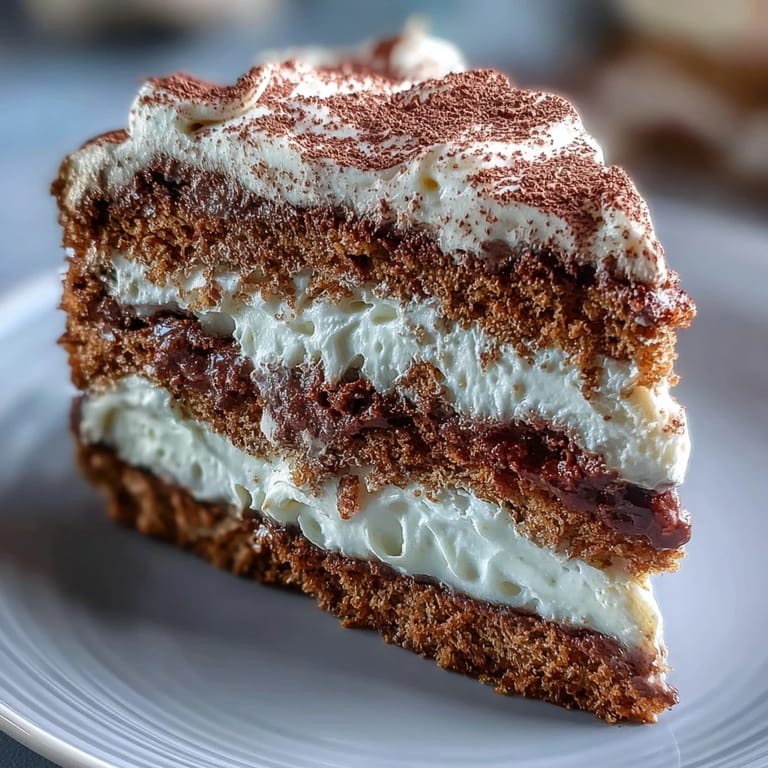
- Slice your completely cooled sponge horizontally into two or three layers (a serrated knife and a gentle sawing motion work best), then spread a generous layer of hojicha whipped cream between each layer and over the top. Dust lightly with extra hojicha powder for fragrance and visual appeal, then refrigerate for at least 30 minutes so the layers set and become easier to slice cleanly.
 Save to Pinterest
 One evening, a friend who grew up in Kyoto came over and stayed quiet through her entire first slice, and I thought I'd made a mistake somehow. Then she looked up with tears in her eyes and told me it tasted like the tea her grandmother used to make—and suddenly this cake became a small bridge across time and geography. That's the quiet power of hojicha: it carries memory even for people making it for the first time.
Finding Quality Hojicha Powder
Not all hojicha powder is created equal, and I learned this the hard way when I grabbed a random tin from an international aisle and ended up with something that tasted more like burnt paper than roasted tea. The difference is the roasting process—quality hojicha should smell warm, slightly sweet, and invitingly smoky, never acrid or bitter. Japanese specialty grocers (whether in person or online) will have better options, and you'll often find the powder fresher than what sits on mass-market shelves.
Why Genoise Works Better Than Other Sponges
Genoise is the traditional French cake that relies entirely on whipped eggs for its structure, with no chemical leavening agents, which means the cake stays tender and light but still substantial enough to hold layers of cream without crumbling. The technique of warming the eggs first is what allows them to incorporate so much air, and that's why it feels almost weightless on the tongue compared to cakes made with baking powder or baking soda. When you infuse it with something as delicate as hojicha, genoise is the perfect vehicle because it won't overpower the tea with its own structure.
Assembly and Storage Secrets
The most important moment comes after assembly—that 30-minute chill isn't just for aesthetics. The cold firms up the cream, sets the layers, and makes every slice look intentional and beautiful instead of collapsing into itself. I usually assemble this cake in the morning and serve it for dinner that same day, which gives it just enough time to marry the flavors without the cake becoming dry or the cream weeping off the sides.
- If you want extra moisture, brush each sponge layer lightly with brewed hojicha tea or a simple syrup before spreading the cream.
- Store the assembled cake in the refrigerator for up to 2 days; the sponge actually improves slightly as it absorbs moisture from the cream.
- For a garnish that adds both visual interest and textural contrast, dust the top with a bit more hojicha powder right before serving, or add finely chopped roasted nuts.
 Save to Pinterest
 This cake has become my answer when someone asks what I'd make if I wanted to feel like I'd given them something special. It's not difficult, but it feels like it is—and that small gap between effort and result is where the real magic lives.
Recipe Questions & Answers
- → What does hojicha taste like?
Hojicha has a distinctive roasted, earthy flavor with subtle smoky notes. Unlike matcha, it's lower in caffeine and has a warm, nutty profile that pairs beautifully with cream and vanilla.
- → Can I substitute hojicha powder?
Matcha powder works as a substitute, though it will give a more grassy, bitter flavor. For a different twist, try roasted green tea or even cocoa powder for a chocolate variation.
- → Why shouldn't I grease the cake pan sides?
Genoise sponge needs to climb up the pan sides to rise properly. Greasing prevents this, resulting in a denser texture. The ungreased surface gives the batter grip to achieve maximum volume.
- → How do I know when the eggs are beaten enough?
The egg mixture should triple in volume, appear pale and thick, and leave a ribbon when you lift the beaters. This usually takes about 7 minutes on high speed.
- → Can I make this ahead of time?
The sponge can be baked a day ahead and wrapped tightly at room temperature. Whip the cream and assemble shortly before serving, or chill the assembled cake for up to 24 hours for cleaner slices.
- → Why warm the eggs and sugar?
Warming to about 40°C helps dissolve the sugar completely and creates a stable foam that holds more air. This step is crucial for achieving the genoise's signature fluffy texture.