 Save to Pinterest
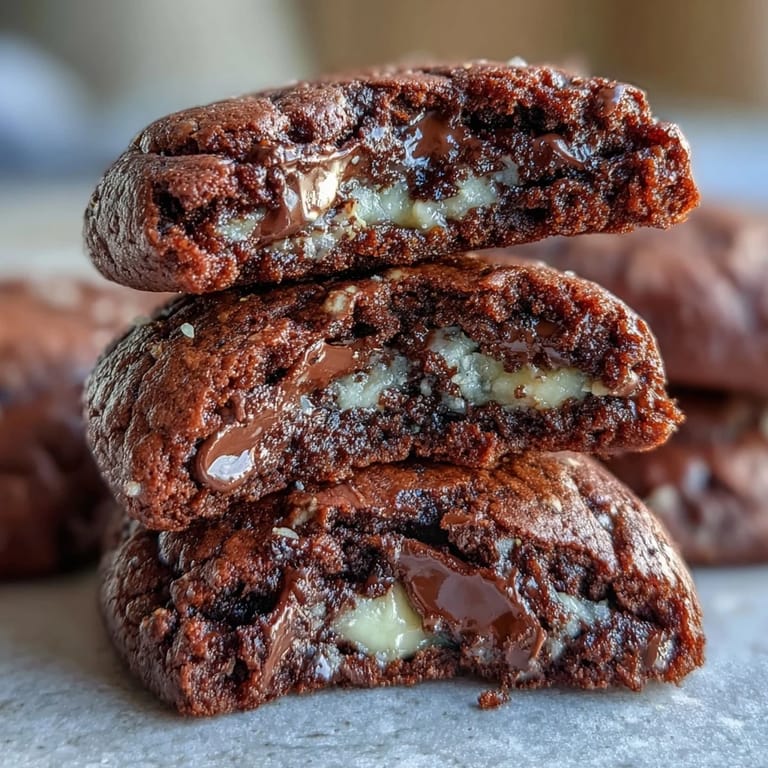
 I discovered hojicha powder tucked in the back of a Japanese grocery store and spent the next week thinking about what to do with it. The roasted, almost smoky smell reminded me of autumn afternoons, and I kept wondering if it could work in something sweet. One evening, while nibbling on white chocolate, it clicked—why not brownies? The combination felt risky but right, so I mixed up a batch without much planning, and when those first cookies came out with their crackled edges and barely-set centers, I knew I'd stumbled onto something special.
My roommate came home to the smell of these baking and got genuinely suspicious that I'd been holding out on desserts. She sat at the kitchen counter while they cooled, asking a hundred questions about the hojicha, and by the time I handed her one warm from the rack, she was already planning to make them herself. It's become our go-to thing to bake together now, often on Sunday mornings when we have time to linger over treats and coffee.
Ingredients
- All-purpose flour (120 g): The base that keeps these cookies tender rather than cakey—don't sift it or you'll end up with something too dense.
- Unsweetened cocoa powder (20 g): Adds depth and a subtle bitterness that balances the white chocolate and prevents these from tasting one-dimensional.
- Hojicha powder (12 g): This is the star—it's roasted green tea with an earthy, toasted flavor that transforms the whole cookie into something unexpected and craveable.
- Baking powder (1/2 tsp) and fine sea salt (1/2 tsp): The baking powder gives just enough lift for that tender crumb, while salt heightens every other flavor in the dough.
- Unsalted butter (115 g, melted and slightly cooled): Melting it first means less mixing and a chewier texture—this is non-negotiable if you want that soft center.
- Light brown sugar (120 g) and granulated sugar (50 g): The combination creates moisture and molasses notes that deepen the whole experience.
- Egg (1 large, room temperature) and vanilla extract (1 tsp): These bind everything together and add a subtle sweetness that doesn't compete with the hojicha.
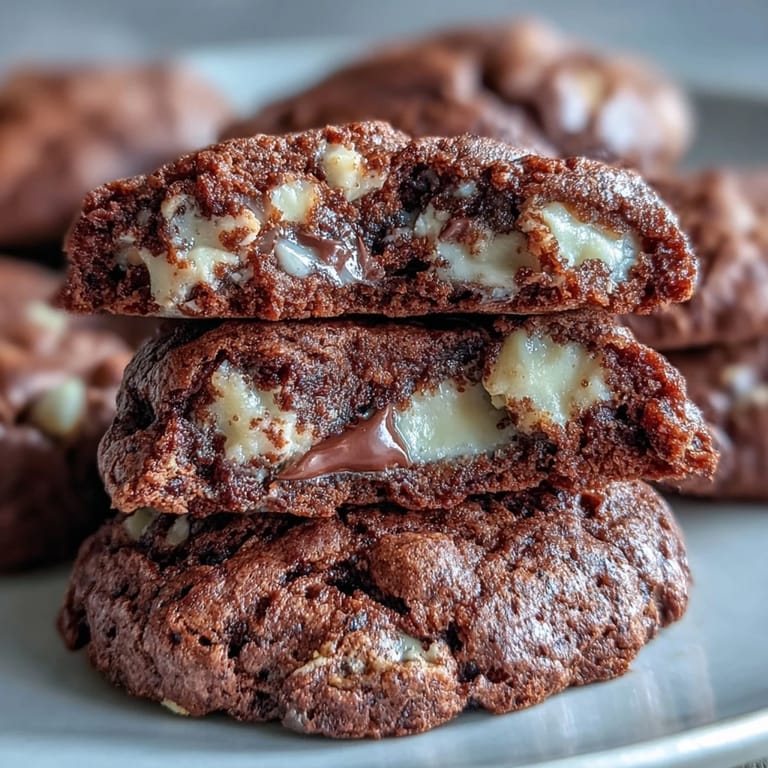
- White chocolate (100 g, chopped or chips): The creamy, buttery pieces create little pockets of richness throughout—they soften beautifully while baking.
Tired of Takeout? 🥡
Get 10 meals you can make faster than delivery arrives. Seriously.
One email. No spam. Unsubscribe anytime.
Instructions
- Set up your space:
- Preheat your oven to 175°C (350°F) and line two baking sheets with parchment paper—this prevents sticking and ensures even browning on the bottoms. Having everything ready before you start mixing means you won't panic when the dough is ready to go in.
- Combine the dry ingredients:
- In a medium bowl, whisk together the flour, cocoa powder, hojicha powder, baking powder, and salt until everything is evenly distributed and there are no streaks of powder. This mixing prevents lumps and ensures the hojicha flavor spreads throughout every bite.
- Build your wet base:
- In a large bowl, mix the melted butter with both sugars, stirring until they look like wet sand—this should take about a minute. The melted butter makes this step quick and foolproof.
- Add the egg and vanilla:
- Beat in the egg and vanilla extract until the mixture looks smooth and glossy, which takes about a minute of gentle stirring. You'll notice the texture become lighter and slightly fluffy.
- Bring it together:
- Gradually stir the dry mixture into the wet mixture until just combined—stop as soon as you don't see any flour streaks. Overmixing toughens the cookies, so resist the urge to beat it into submission.
- Add the white chocolate:
- Fold in the chopped white chocolate with a few gentle strokes of your spatula. The dough will look studded with creamy pieces and be ready to scoop.
- Portion onto baking sheets:
- Scoop tablespoon-sized portions onto the prepared sheets, spacing them about 5 cm (2 inches) apart—they'll spread slightly but not dramatically. Using a cookie scoop keeps them consistent in size.
- Bake with intention:
- Bake for 10 to 12 minutes, until the edges look set and slightly firmer but the centers still jiggle a tiny bit when you tap the pan—this is your key to chewy centers. They'll continue cooking on the warm pan, so don't wait for them to look fully done.
- Cool with patience:
- Let them sit on the pan for 5 minutes so they firm up enough to move without falling apart, then transfer them to a wire rack to cool completely. This two-stage cooling is what keeps them tender instead of hard.
 Save to Pinterest
 I brought a batch to a tea-loving friend's dinner party, and she actually teared up a little when she tasted them—apparently, they reminded her of visiting Japan years ago. That moment made me realize these cookies are more than just a clever flavor combination; they're a tiny bridge between places and memories for people.
Storing and Freezing
These cookies stay soft in an airtight container at room temperature for about 4 days, though honestly they rarely last that long in my house. If you want to freeze them, layer them between parchment in an airtight container and they'll keep for up to 2 months—thaw them at room temperature for 15 minutes and they taste almost freshly baked.
Flavor Variations to Try
Once you've made these a few times and feel comfortable with the base, the possibilities open up. You can swap the white chocolate for dark or milk chocolate, or even leave it out entirely and add toasted white sesame seeds for a different kind of nuttiness. I've also experimented with adding a tiny pinch of cardamom, which echoes the warm spice notes already present in the hojicha.
Equipment and Final Tips
These cookies don't ask for much beyond standard kitchen tools, but a couple of things make them easier. A cookie scoop ensures every cookie is the same size so they bake evenly, and a wire rack prevents the bottoms from getting soggy as they cool. If you don't have hojicha powder, the internet makes it easy to order, but don't try to substitute matcha—they taste completely different and the results won't be the same.
- Room temperature eggs mix more smoothly into the butter and sugar, so pull yours out of the fridge a few minutes before baking.
- Slightly cooled melted butter prevents the egg from cooking when you add it, which is a small detail that keeps the texture right.
- If you overbake them by accident, they're still delicious dunked in tea or coffee the next day.
 Save to Pinterest
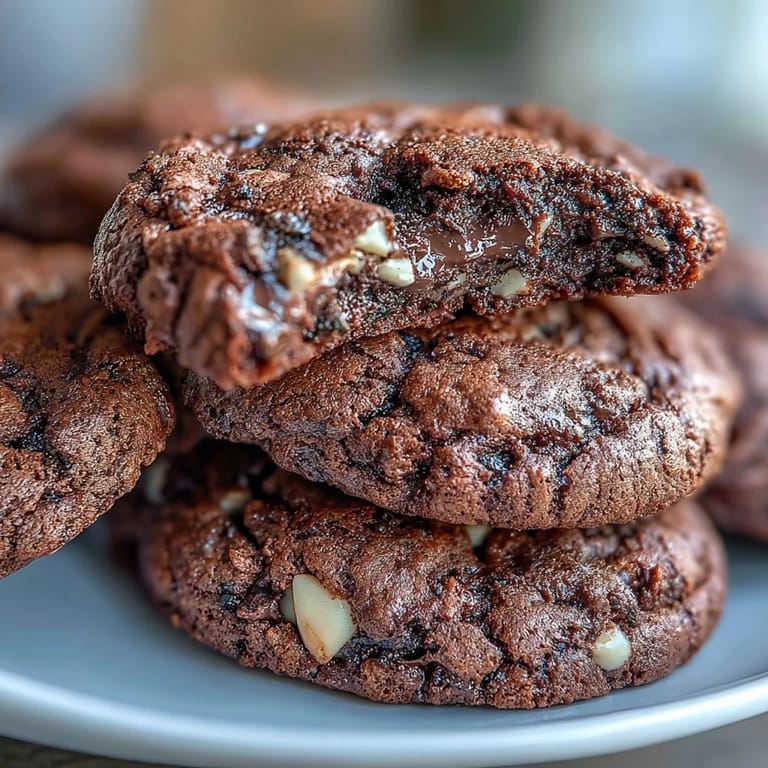
 Hojicha brownie cookies are one of those recipes that feel like a small discovery every time you make them, and that's the real magic. They remind me that the best desserts often come from taking two things you love separately and trusting your instinct to put them together.
Recipe Questions & Answers
- → What does hojicha taste like?
Hojicha has a distinctive nutty, roasted flavor with earthy notes and subtle sweetness. Unlike regular green tea, it's roasted over charcoal, giving it a warm, toasty profile that pairs beautifully with chocolate.
- → Can I use regular green tea powder instead of hojicha?
Matcha or other green tea powders will work, but the flavor profile will be different. Hojicha's roasted, nutty notes are unique. Matcha will give you a grassier, more bitter taste that may require adjusting the sugar.
- → Why are my cookies hard instead of chewy?
Overbaking is the most common cause. Remove from the oven when edges are set but centers still look slightly underbaked. They continue cooking on the hot baking sheet, so the 5-minute cooling time is crucial for perfect texture.
- → Where can I buy hojicha powder?
Look for hojicha powder at Asian grocery stores, Japanese markets, or online retailers specializing in tea products. Some specialty baking shops also carry it. Ensure it's culinary-grade powder for baking.
- → Can I make the dough ahead of time?
Absolutely. Scoop the dough onto a baking sheet and freeze for 30 minutes until firm, then transfer to an airtight container. Frozen dough balls can bake straight from the freezer, adding just 1-2 minutes to the baking time.
- → What's the best way to store these cookies?
Keep in an airtight container at room temperature for up to 5 days. For longer storage, freeze individually wrapped cookies for up to 2 months. Thaw at room temperature for 15 minutes before serving.