 Save to Pinterest
 There's a particular quiet that settles over a kitchen when you're infusing cream with hojicha—the steam rising from the saucepan carries this warm, almost whispered aroma of toasted rice and chestnuts. My first batch happened on a rainy afternoon when I was experimenting with Japanese flavors, and honestly, I wasn't sure if roasted tea belonged in ice cream at all. But that first spoonful proved me wonderfully wrong. The flavor isn't bold or aggressive; it's more like a memory of something cozy, something that tastes like late autumn afternoons in Tokyo.
I brought this to a dinner party where everyone was hesitant to try it, skeptical of tea ice cream, until someone tasted it and their whole face changed. That moment—watching someone's resistance dissolve into genuine pleasure—reminded me that the best recipes are often the ones that surprise you. Now whenever I make it, I'm thinking of that night and how food can be a small bridge between curiosity and joy.
Ingredients
- Heavy cream (2 cups): This is your foundation for that silky texture; don't reach for the lighter stuff or you'll lose that luxurious mouthfeel that makes hojicha ice cream worth the effort.
- Whole milk (1 cup): The milk balances the richness and lets the hojicha flavor shine without getting lost in fat.
- Hojicha loose leaf tea (3 tablespoons): Loose leaf is worth seeking out because it infuses more gracefully and extracts cleaner flavor than tea bags, though bags work in a pinch.
- Egg yolks (4 large): These create the custard base; don't skip them or substitute with whole eggs, as the yolks are what give you that creamy texture.
- Granulated sugar (2/3 cup): This sweetens the custard and also helps temper those egg yolks safely when you whisk them together.
- Fine sea salt (pinch): A small amount deepens the hojicha flavor and prevents the ice cream from tasting one-dimensional.
Tired of Takeout? 🥡
Get 10 meals you can make faster than delivery arrives. Seriously.
One email. No spam. Unsubscribe anytime.
Instructions
- Heat the dairy together:
- Pour the milk and cream into a saucepan and warm over medium heat until you see a gentle steam rising—not a boil, just that delicate moment when the surface shivers. You'll know it's ready when you can hold your hand above the pan and feel the warmth.
- Steep the hojicha:
- Add the loose leaf tea right into the warm cream, turn the heat down to low, cover the saucepan, and let it sit for ten minutes. The longer it steeps, the deeper and more complex the flavor becomes, so don't rush this part.
- Strain with intention:
- Pour the mixture through a fine sieve into a bowl, pressing the tea leaves gently with the back of a spoon to coax out every bit of flavor. Return this infused liquid back to the saucepan and set it aside.
- Prepare the yolk mixture:
- In a separate bowl, whisk together the egg yolks, sugar, and salt until the mixture turns pale and slightly thickened, which takes about two to three minutes of whisking. This pale color is important—it means the sugar has begun to incorporate.
- Temper the eggs carefully:
- This step requires patience and a steady hand: slowly pour about one cup of that warm hojicha mixture into the yolks while whisking constantly, never stopping, so the eggs warm gradually instead of scrambling. The constant motion is your insurance against lumps.
- Combine everything:
- Pour the now-warmed yolk mixture back into the saucepan with the remaining hojicha cream, whisking as you go to ensure everything is evenly combined.
- Cook the custard to perfection:
- Set the heat to low and stir constantly with a wooden spoon, scraping the sides and bottom, until the custard coats the back of the spoon and reaches 170 to 175 degrees Fahrenheit—this takes about five to seven minutes. You'll feel the texture change under your spoon as it thickens.
- Cool and chill:
- Strain the custard into a clean bowl to catch any bits of cooked egg, then let it cool to room temperature before covering and refrigerating for at least four hours, or ideally overnight. Cold custard churns better and freezes more smoothly.
- Churn into existence:
- Pour the chilled custard into your ice cream maker and churn according to the manufacturer's instructions, usually until it reaches soft-serve consistency. This usually takes twenty to thirty minutes.
- Final freeze:
- Transfer the churned ice cream to an airtight container and freeze for at least two hours, though overnight is even better for a fully firm scoop.
 Save to Pinterest
 What surprised me most about making hojicha ice cream wasn't the flavor itself, but how it became a conversation starter. People taste it and suddenly they're asking questions, leaning into the bowl like they're trying to solve a puzzle, and that kind of curiosity at the table is something to treasure.
The Hojicha Difference
Hojicha is roasted green tea, which means it has already been toasted over heat—so it tastes less grassy and more comforting than regular green tea. This roasting process creates those caramel and nutty notes that make it such a natural fit for ice cream. The flavor is gentle enough that it doesn't overpower, but distinct enough that you know something interesting is happening on your tongue.
Why This Method Works
A proper custard base means you're building creaminess from eggs rather than relying solely on fat, and that's the secret to ice cream that feels luxurious without being heavy. The tempering method—slowly warming the eggs with the hot cream—ensures that you're in control of the cooking process, which means no scrambled bits and a completely smooth final texture. This is why restaurants make ice cream this way, and why it's worth the extra time.
Serving and Storing
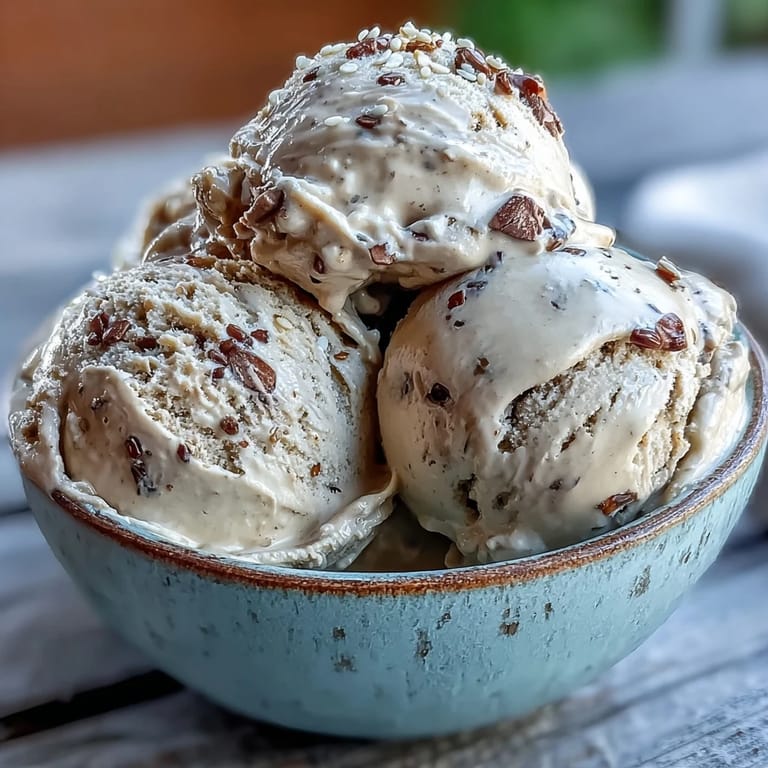
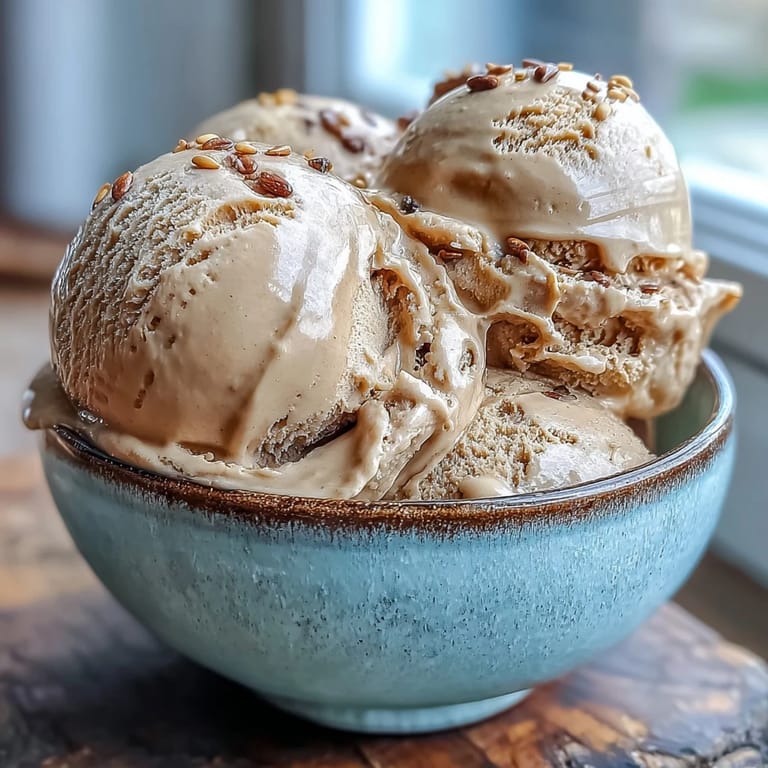
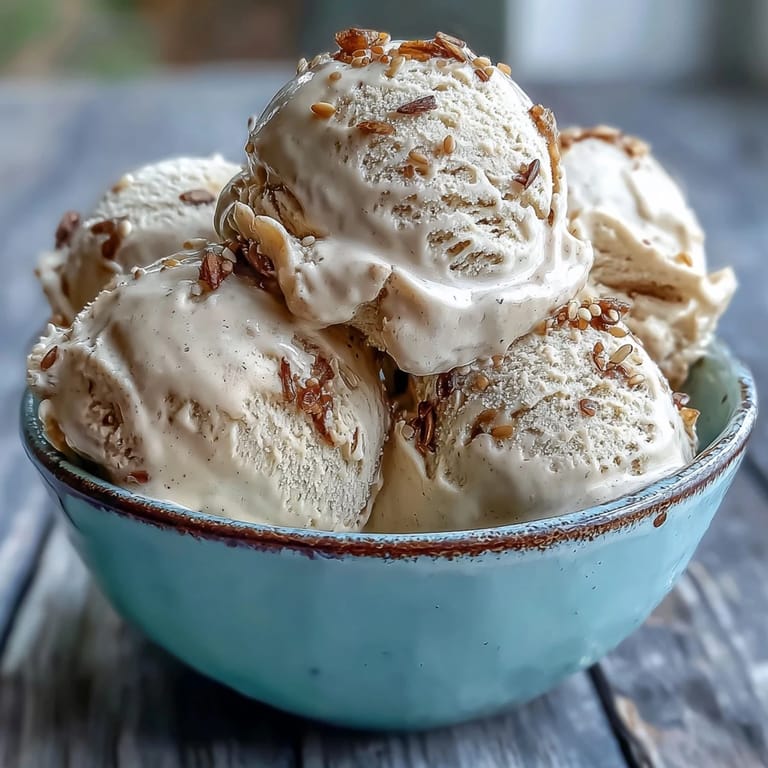
This ice cream keeps beautifully for up to two weeks in an airtight container, though it's almost never around that long. Scoop it while it's at that perfect soft state (just a minute out of the freezer helps), and consider a sprinkle of toasted sesame seeds on top or a small drizzle of sweetened condensed milk for extra sophistication. Serving it alongside fresh berries or soft mochi transforms it into a complete Japanese-inspired dessert that feels like both comfort and celebration.
- Grab it straight from the freezer with a warm scoop for easier scooping without melting.
- Make a batch ahead for gatherings—the flavor actually develops more complexity as it sits.
- If the ice cream gets too hard, let it sit on the counter for five minutes before serving for that ideal texture.
 Save to Pinterest
 Making hojicha ice cream is a small act of patience that rewards you with something genuinely elegant and deeply satisfying. It's the kind of dessert that makes ordinary moments feel a little bit more intentional.
Recipe Questions & Answers
- → What makes hojicha different from regular green tea?
Hojicha is roasted green tea that develops distinct nutty, caramel-like notes with lower caffeine content. The roasting process creates a reddish-brown leaf with a mellow, toasty flavor profile that pairs exceptionally well with cream-based desserts.
- → Can I make this without an ice cream maker?
While an ice cream maker creates the smoothest texture, you can freeze the mixture in a shallow container, whisking vigorously every 30 minutes for the first 3 hours to break up ice crystals. The result will be slightly less creamy but still delicious.
- → How long should I steep the tea in the cream mixture?
Steep the hojicha for 10 minutes over low heat with the cover on. This duration allows the roasted flavors to fully infuse without becoming bitter. Press the leaves through the sieve to extract all the flavorful oils.
- → What temperature should the custard reach?
Cook the custard until it reaches 170–175°F (77–80°C) or until it thickens enough to coat the back of a wooden spoon. This ensures the eggs are pasteurized and the mixture achieves proper consistency for churning.
- → How long does this keep in the freezer?
Store in an airtight container for up to 2 weeks. For best texture, let soften at room temperature for 5–10 minutes before scooping. The roasted tea flavor remains stable throughout storage.
- → What garnishes work well with this dessert?
Toasted sesame seeds add crunch and nutty complement, while sweetened condensed milk provides extra richness. Fresh seasonal fruit, mochi pieces, or a drizzle of maple syrup also enhance the sophisticated flavor profile.