 Save to Pinterest
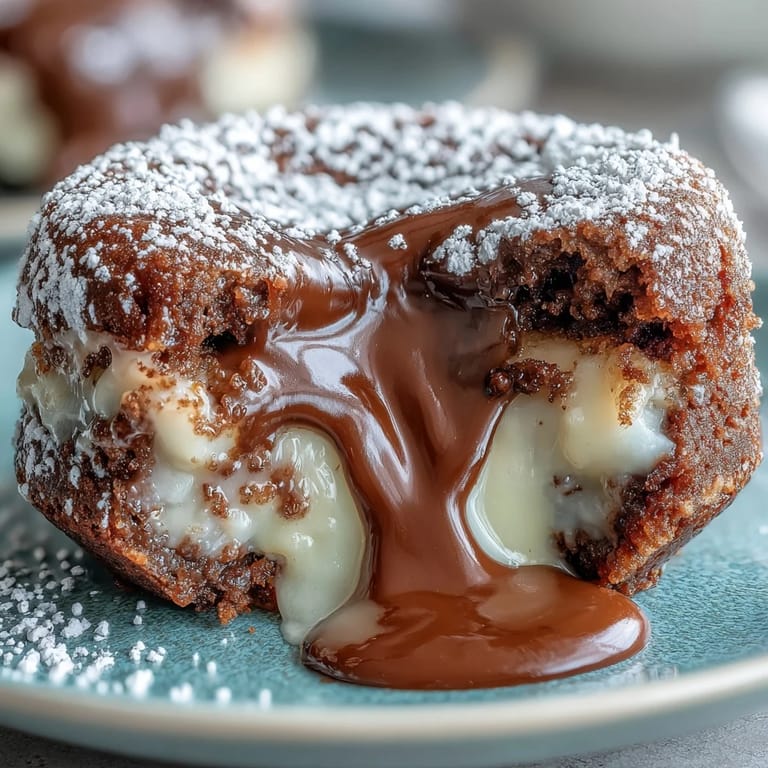
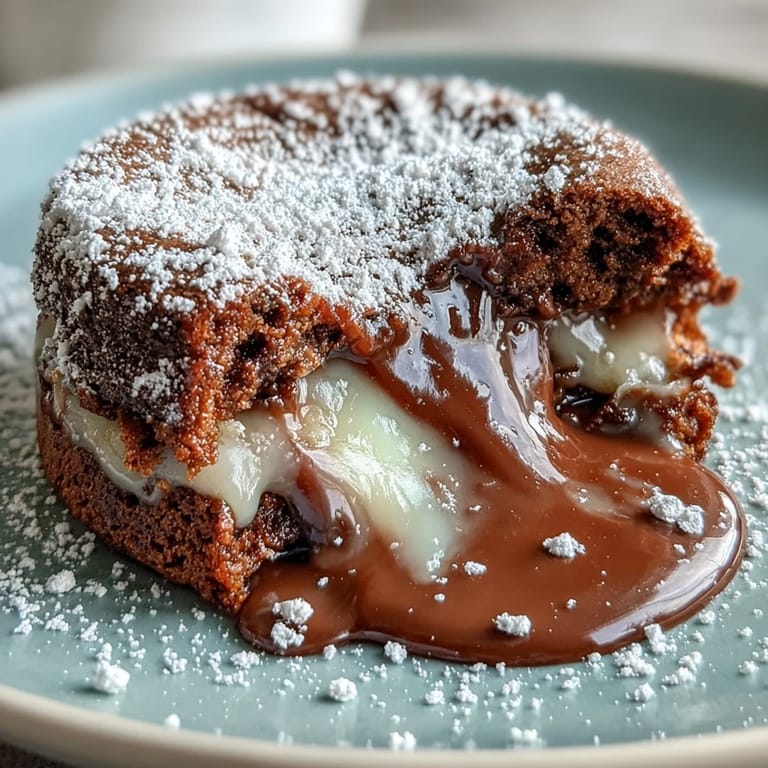
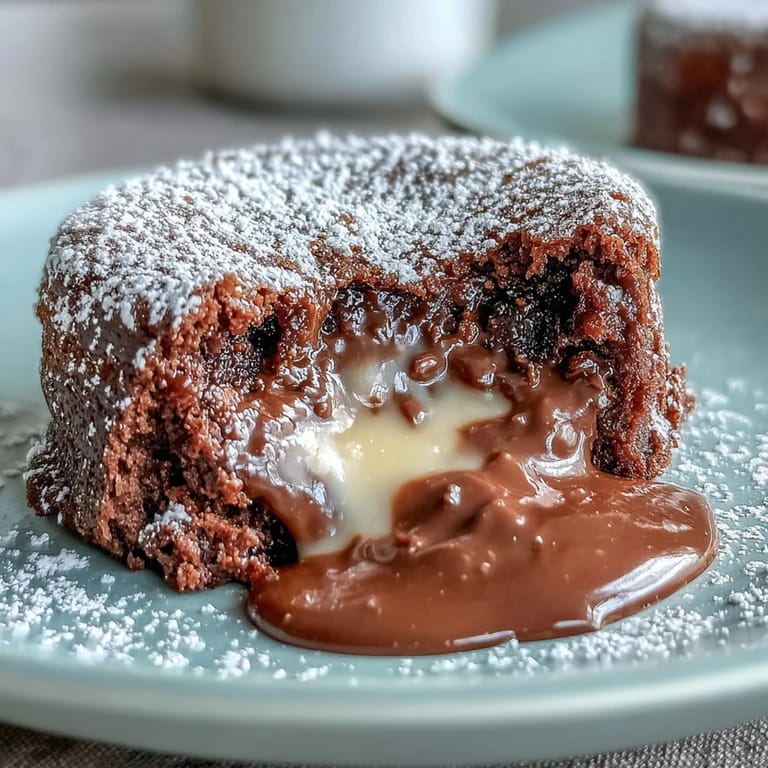
 There's a moment when you slice into a hojicha lava cake and watch that molten ganache spill across the plate like liquid gold that makes you understand why the Japanese obsess over the details of their desserts. I discovered hojicha properly during a quiet afternoon in a small teashop in Kyoto, where the roasted tea's earthy, almost smoky character felt nothing like the bright matcha I'd known before. Years later, trying to recreate that feeling at home, I realized white chocolate was the missing piece, its creamy sweetness playing against hojicha's sophisticated bitterness in a way that felt like a conversation between two worlds. The first time I got the timing right and that center flowed onto the plate, I couldn't stop grinning like I'd solved something important.
I made these for my partner's birthday dinner, and watching their face when that ganache flowed across their plate was better than any compliment they could have given me. The whole table went quiet for a second, and then suddenly everyone wanted to know what I'd done differently, what made it taste like that. It's funny how a dessert can become a small ceremony, something that transforms an ordinary evening into a memory.
Ingredients
- White chocolate (160 g total): Use good quality white chocolate with cocoa butter, not just cocoa solids, or your ganache will seize and separate instead of melting into silky perfection.
- Hojicha powder (1 tsp): This roasted green tea is the soul of the cake, bringing an earthy depth that prevents the white chocolate from becoming cloying.
- Heavy cream (30 ml): Room temperature cream incorporates more smoothly into the ganache than cold cream, which can cause lumps.
- Unsalted butter (90 g total): Room temperature butter blends into the ganache without creating graininess, and it enriches the cake batter with tender crumb.
- Eggs (3 total): Large eggs at room temperature emulsify properly with the melted chocolate, creating a batter that bakes into a delicate structure.
- Granulated sugar (60 g): Whisk this with the eggs until you see ribbons forming, which means you've incorporated enough air for a tender crumb.
- All-purpose flour (40 g): Weigh this, don't measure by volume, because flour packs down and scooped flour weighs almost 20% more than what recipes assume.
- Salt (1/8 tsp): A pinch of salt magnifies the hojicha's roasted notes and keeps the white chocolate from feeling flat.
Tired of Takeout? 🥡
Get 10 meals you can make faster than delivery arrives. Seriously.
One email. No spam. Unsubscribe anytime.
Instructions
- Create the Hojicha Ganache:
- Combine your chopped white chocolate and hojicha powder in a small bowl, then pour hot cream over it and wait a full minute before stirring, which gives the heat time to soften the chocolate evenly. Fold in room temperature butter just until the mixture looks glossy and smooth, then refrigerate for at least 30 minutes until you can roll it into balls without them melting in your hands.
- Prepare Your Ramekins:
- Butter each ramekin generously, making sure to coat the bottom and sides completely, then dust with cocoa powder or flour and tap out the excess. The coating prevents sticking and makes unmolding these hot cakes much less terrifying.
- Melt and Temper the White Chocolate:
- Set your heatproof bowl over barely simmering water, not touching the water itself, and stir the chopped white chocolate and butter constantly until completely smooth and glossy. Let it cool for just a minute or two so it won't scramble the eggs when you fold them in.
- Whisk Your Eggs and Sugar:
- In a separate bowl, whisk together the whole eggs, egg yolk, and sugar until the mixture turns pale and thick enough that ribbons fall from your whisk and hold their shape for a moment. This takes about 3 to 5 minutes of continuous whisking and makes a dramatic difference in how tender your cake becomes.
- Fold Everything Together Gently:
- Pour the cooled chocolate mixture into the egg mixture and fold it together carefully, then sift the flour and salt directly over the top and fold again until no streaks of flour remain. Folding, not stirring, preserves all that air you worked into the eggs.
- Assemble Before Baking:
- Spoon a generous tablespoon of batter into each prepared ramekin, nestle a cold hojicha ganache ball into the center of each, then cover with the remaining batter and smooth the tops. The ganache should be completely encased but still relatively centered.
- Bake with Precision:
- Bake at 200°C for 11 to 13 minutes, watching for edges that look set and slightly risen while the very center still jiggles slightly when you gently shake the ramekin. A minute too long and your lava becomes a regular cake, a minute too short and you'll get raw batter instead of that beautiful molten center.
- Unmold and Serve Immediately:
- Let the cakes rest for just one to two minutes, then run a thin knife around each edge and invert onto a warmed plate, letting gravity do the work. Serve right away while everything is still warm and that center flows like you planned it.
 Save to Pinterest
 There's something almost ceremonial about unmolding these cakes, that moment when you run the knife around the edge and flip it onto the plate, hoping that chocolate center is still waiting there. The first time it worked perfectly, I felt like I'd unlocked some secret that had nothing to do with technique and everything to do with patience and precision working together.
The Hojicha Difference
Hojicha is green tea that's been roasted over charcoal until it transforms into something completely different, less grassy and more like toasted nuts and caramel with a slight smoky edge. When you pair it with white chocolate, which has no cocoa solids to provide bitterness, something magical happens because each ingredient stops the other from becoming one-dimensional. The hojicha keeps the white chocolate from tasting cloying, while the white chocolate softens hojicha's sometimes-harsh edges into something luxurious.
Make-Ahead Magic
These cakes are remarkably forgiving about advance preparation, which makes them perfect for entertaining because you can assemble them hours ahead and bake them right before serving. I've found that baking them directly from the refrigerator means adding just one or two minutes to the bake time, barely noticeable but enough to account for the cold batter. This flexibility means you can focus on other dishes or simply be calm instead of rushed when guests arrive.
Serving and Variations
A simple dusting of powdered sugar looks elegant and hints at what's coming, while vanilla ice cream melting into that molten center creates something almost indulgent. You could also try matcha powder instead of hojicha if you want something brighter and more vegetal, or pair these with unsweetened whipped cream and fresh berries to balance all that white chocolate sweetness. The key is trusting your instincts about what would taste good beside something this rich.
- Try matcha powder as a substitute if you want a more vibrant, grassy flavor profile instead of hojicha's roasted warmth.
- Serve with freshly whipped cream or berries to create contrast against the richness of the white chocolate and ganache center.
- Always unmold immediately after resting so the cakes don't cool and the lava effect stays perfectly fluid and dramatic.
 Save to Pinterest
 These cakes have become my go-to impressive dessert for moments when I want to feel like I've done something special without spending hours in the kitchen. There's real joy in watching someone's face when that molten center reveals itself.
Recipe Questions & Answers
- → What makes hojicha special in this dessert?
Hojicha is roasted Japanese green tea with earthy, nutty notes that beautifully complement white chocolate's creamy sweetness. The roasting process reduces bitterness, creating a warm, toasty flavor profile that pairs perfectly with rich desserts.
- → How do I know when the cakes are done baking?
The edges should be set and slightly firm, while the centers remain slightly jiggly when you gently shake the ramekins. This ensures the molten center stays liquid. Overbaking will result in a fully cooked cake rather than the desired lava consistency.
- → Can I prepare these cakes in advance?
Yes! You can assemble the cakes completely and refrigerate them for several hours before baking. If baking from chilled, add 1-2 minutes to the baking time. The ganache centers can also be prepared a day ahead and kept refrigerated until ready to assemble.
- → What can I serve with hojicha lava cakes?
Unsweetened whipped cream or crème fraîche helps balance the sweetness. Fresh berries like raspberries or strawberries add bright acidity. Vanilla ice cream creates a lovely temperature contrast, or simply dust with powdered sugar for an elegant finish.
- → Can I substitute the hojicha powder?
Matcha powder works well for a vibrant green tea variation with grassier notes. You could also use finely ground coffee for a mocha version, or experiment with other flavored powders like cinnamon or Earl Grey tea.
- → Why did my lava cake lose its molten center?
This usually means the cake was overbaked. Watch closely during the last 1-2 minutes of baking, and remove from the oven as soon as edges are set. Letting them rest too long in the hot ramekin after baking can also continue the cooking process.