 Save to Pinterest
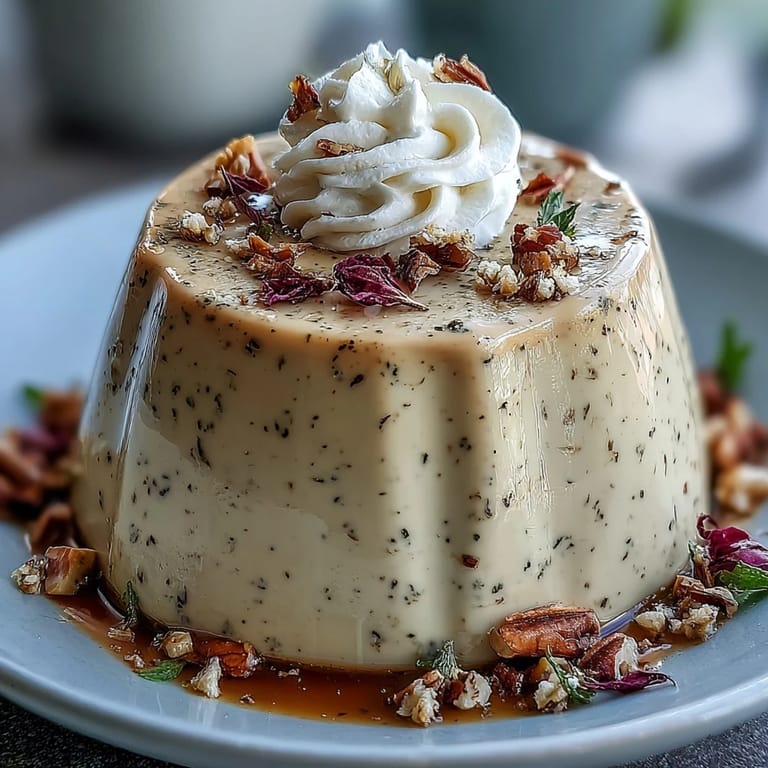
 There's something about hojicha that makes you want to slow down. I discovered this panna cotta on a quiet afternoon, watching steam rise from a cup of the tea, and it struck me that this roasted, almost coffee-like flavor belonged in something luxurious and creamy. That evening, I whisked together cream and milk, let the tea leaves dance through the warmth, and the result was so silky it felt like eating a cloud that tasted of autumn.
I made this for my sister's dinner party last winter, and watching her spoon into that silky custard, eyes widening at the taste, reminded me why I love cooking for people. Someone asked what it was, and when I said hojicha panna cotta, the whole table got quiet for a moment, then everyone wanted the recipe. That's when you know a dish has done its job.
Ingredients
- Heavy cream (1 1/2 cups): This is your foundation for creaminess; don't skip it or substitute with light cream, as the richness is essential to the texture.
- Whole milk (1/2 cup): Balances the heaviness of the cream and helps the tea flavors come through clearly.
- Granulated sugar (1/4 cup): Sweetens gently without overpowering the subtle roasted notes of the hojicha.
- Hojicha loose leaf tea (2 tablespoons): Loose leaf gives you more control over the strength and flavor; tea bags work but can leave a slightly papery taste if you're not careful.
- Powdered gelatin (2 teaspoons): The secret to that perfect custard set; too much and it becomes rubbery, too little and you have pudding instead.
- Cold water (2 tablespoons): Gelatin needs to bloom here first, which sounds fancy but just means it hydrates and gets ready to work.
- Whipped cream, shaved chocolate, edible flowers (optional): These garnishes aren't necessary, but they turn this into something you'd photograph for Instagram.
Tired of Takeout? 🥡
Get 10 meals you can make faster than delivery arrives. Seriously.
One email. No spam. Unsubscribe anytime.
Instructions
- Prepare your gelatin:
- Sprinkle the powdered gelatin over cold water in a small bowl and let it sit for 5 minutes. You'll see it absorb the water and look kind of lumpy, which is exactly right; this is called blooming, and it prevents lumps from forming later.
- Heat the cream mixture:
- Pour the heavy cream and whole milk into a saucepan with the sugar, then set it over medium-low heat. Stir occasionally until you see steam rising and little wisps curl above the surface, but never let it come to a boil; you want hot, not violent.
- Steep the hojicha:
- Remove the pan from heat and add your hojicha tea leaves directly to the warm cream. Let it sit for 7 to 8 minutes, and your kitchen will smell incredible, like toasted rice and cream having a conversation.
- Strain carefully:
- Pour everything through a fine-mesh sieve into a clean bowl, using a spoon or small spatula to gently press the tea leaves against the mesh. You're coaxing out every bit of flavor without forcing the leaves through; this makes all the difference in the final taste.
- Reheat and add gelatin:
- Return the strained mixture to the saucepan over low heat until it's warm again, then add your bloomed gelatin and whisk until it completely dissolves. The mixture should look smooth and glossy, with no visible gelatin particles.
- Set into ramekins:
- Pour the mixture evenly into 4 ramekins or serving glasses, then let them cool to room temperature on the counter. This prevents condensation from dripping onto the surface and making it look uneven.
- Chill thoroughly:
- Cover each ramekin with plastic wrap and refrigerate for at least 4 hours; overnight is even better if you have the patience. The panna cotta will set from the bottom up, so don't panic if it still looks a bit loose after 2 hours.
 Save to Pinterest
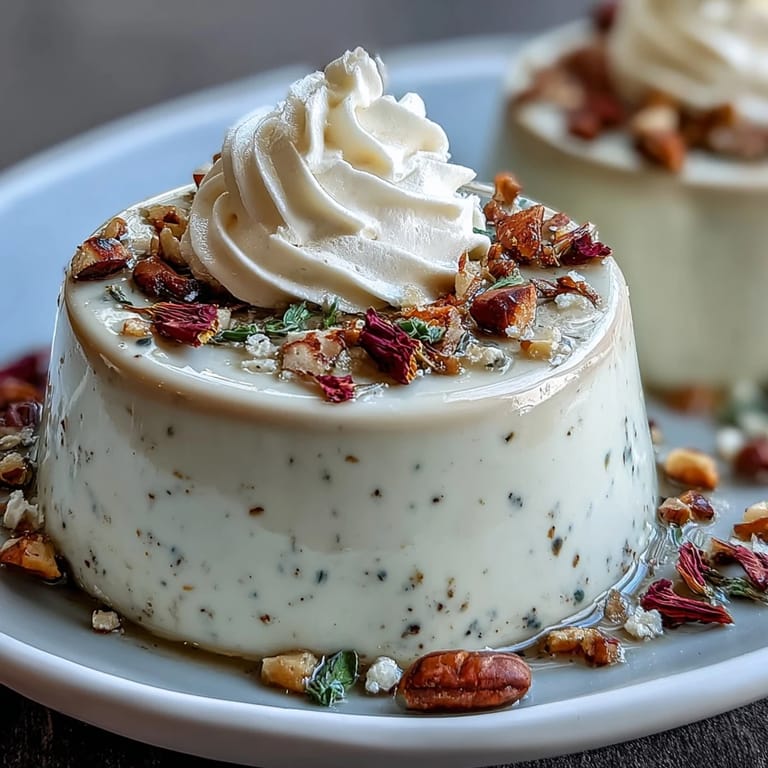
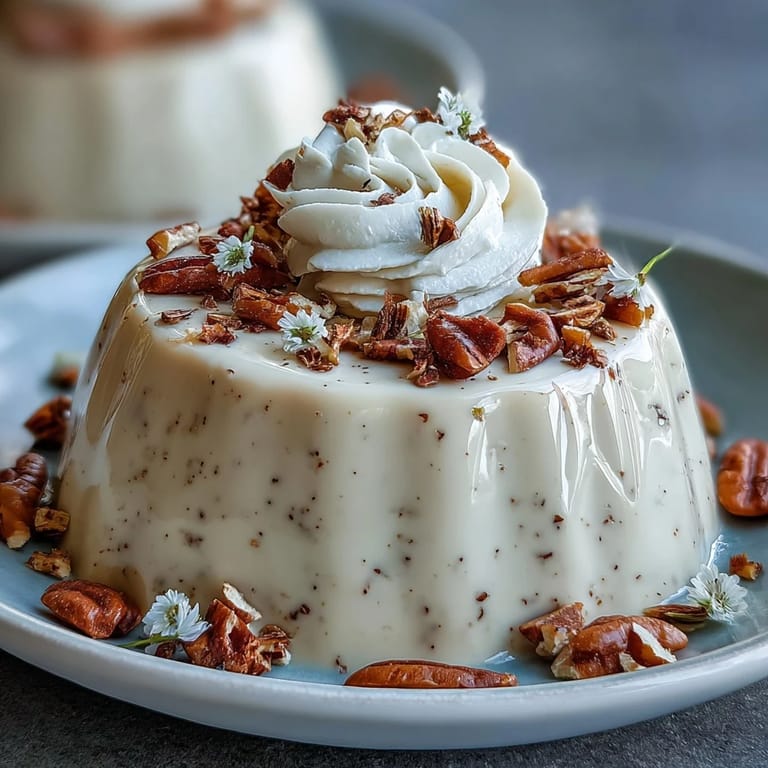
 What I love most is that moment when you unmold the first panna cotta onto a plate and it holds its shape perfectly, that delicate jiggle reminding you it's both custard and cloud. Serving it to someone who's never tried hojicha before and watching their face transform—that's what makes this dessert worth the four hours of waiting.
Why Hojicha Changes Everything
Hojicha is roasted green tea, and that roasting process gives it a warmth and earthiness that feels almost like coffee. I've found that regular green tea can taste grassy in a panna cotta, but hojicha brings this sophisticated toastiness that elevates the entire dish. It's the kind of ingredient that makes you feel like a refined baker, even though you're really just steeping and straining.
Serving and Presentation
You can serve this directly in the ramekins, which looks elegant and saves you the trouble of unmolding, or you can run a thin knife around the edges and slide it onto a plate for a more dramatic presentation. I've done both, and honestly, the way you serve it matters less than making sure your guests know they're eating something special. A tiny dollop of whipped cream and a light dust of shaved chocolate transforms it from simple custard into something that feels like a gift.
Make-Ahead Magic and Storage
This is one of those rare desserts that actually gets better if you make it the day before, as the flavors develop and deepen in the fridge. I've kept these for up to three days, covered, and they stay silky and perfect. It's the kind of recipe that makes you look like a genius when dinner party panic sets in.
- Make these up to 24 hours ahead so you can enjoy your guests instead of sweating in the kitchen at the last minute.
- If you unmold them onto plates, do this right before serving; they'll start to weep if they sit out too long.
- Leftover panna cotta can be broken up and eaten as a creamy dessert pudding, which is honestly not a bad consolation prize.
 Save to Pinterest
 This panna cotta sits right at the intersection of simplicity and sophistication, the kind of dessert that makes you feel like you've mastered something beautiful. Once you make it, you'll find yourself pulling it out for every occasion that deserves a little elegance.
Recipe Questions & Answers
- → What does hojicha taste like?
Hojicha delivers roasted, nutty notes with subtle caramel undertones and less astringency than other green teas. The roasting process creates a warm, toasty flavor profile that pairs beautifully with creamy desserts.
- → Can I make this dessert ahead of time?
Absolutely. This panna cotta actually improves when made 1-2 days in advance, allowing the hojicha flavor to fully develop. Keep covered in the refrigerator and add garnishes just before serving for the freshest presentation.
- → What's the difference between hojicha and matcha?
While both come from green tea leaves, hojicha is roasted over charcoal at high heat, giving it a reddish-brown color and distinctive roasted flavor. Matcha is shade-grown, steamed, and ground into a vibrant green powder with grassier, more vegetal notes.
- → How do I know when the gelatin is fully bloomed?
The gelatin mixture will absorb all the water and become opaque with a wrinkled, spongy appearance. This typically takes about 5 minutes. If any dry powder remains, give it a gentle stir and let it sit another minute or two.
- → Can I substitute loose leaf tea with tea bags?
Yes, tea bags work perfectly fine. Use 3 standard hojicha tea bags to replace the 2 tablespoons of loose leaf called for in this method. Simply remove the bags after steeping rather than straining the mixture.
- → Why shouldn't I boil the cream mixture?
Boiling can cause the dairy proteins to separate, resulting in a grainy texture rather than silky smoothness. Heating just until steaming preserves the luxurious consistency while allowing proper flavor extraction from the tea.