 Save to Pinterest
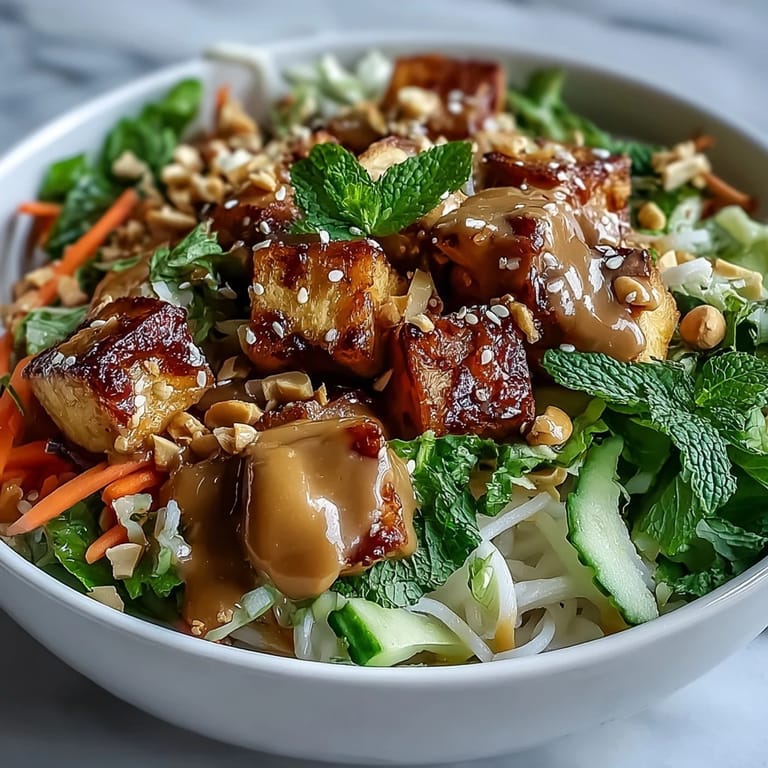
 One afternoon, while scrolling through photos of my last trip to Southeast Asia, I caught myself craving that specific feeling of a fresh spring roll—the snap of vegetables, the silky noodles, that addictive peanut sauce. Instead of rolling them by hand like I usually do, I had a moment of lazy brilliance and decided to scatter everything into a bowl instead. That single decision changed how I make this dish now, and honestly, it tastes just as good without the extra work.
I made this for my roommate on a chaotic Tuesday when she'd had a rough week, and watching her face light up when she took that first bite reminded me that food doesn't need to be complicated to feel like care. She mixed everything together slowly, savoring each component, and asked for the recipe before she'd even finished. That's when I knew I'd stumbled onto something special.
Ingredients
- Rice vermicelli noodles: These delicate strands are the backbone of the bowl—they're tender enough to absorb the sauce but sturdy enough to hold everything together.
- Sesame oil: Just a tablespoon tossed with the cooked noodles prevents clumping and adds a whisper of nutty flavor throughout.
- Carrots and cucumber: Julienne them as thin as you can without losing patience; the thinner they are, the more they'll sing with freshness and crunch.
- Red bell pepper: Slice it thin so it softens slightly as it sits in the bowl, becoming almost silky against the noodles.
- Red cabbage: Its natural sweetness and snap make it essential—don't skip it or swap it for green.
- Bean sprouts: These are your textural wildcard; they stay crisp and add a delicate, almost grassy note.
- Spring onions: Their mild bite anchors the whole composition and prevents the bowl from feeling one-note.
- Fresh cilantro and mint: These aren't optional garnishes—they're flavor accelerators that make every bite feel alive.
- Tofu or shrimp: Press your tofu dry or chill your shrimp beforehand; this single step determines whether your protein tastes like itself or like the sauce.
- Peanut butter: Use the creamy kind without added sugar if you can find it; it creates a silkier sauce than the chunky versions.
- Soy sauce: Tamari works beautifully for gluten-free diets and honestly tastes slightly cleaner.
- Rice vinegar: This gentle acid brightens everything without overpowering the delicate vegetables.
- Maple syrup or honey: A touch of sweetness balances the saltiness of the soy sauce and creates depth.
- Garlic and ginger: Mince them finely so they distribute evenly through the sauce rather than appearing in chunks.
- Roasted peanuts and sesame seeds: These final garnishes aren't just decoration; they're your textural insurance policy against a one-note bowl.
Tired of Takeout? 🥡
Get 10 meals you can make faster than delivery arrives. Seriously.
One email. No spam. Unsubscribe anytime.
Instructions
- Cook and cool the noodles:
- Boil the rice vermicelli according to the package—usually just three to five minutes—then drain and rinse under cold water until they're completely cool. Toss them immediately with the sesame oil while they're still slightly warm so the oil coats every strand evenly.
- Prep your vegetable rainbow:
- This is where mise en place becomes your friend; set out separate bowls for each vegetable so you're not scrambling when assembly time comes. The act of julienning and slicing becomes almost meditative once you settle into a rhythm.
- Crisp up your protein:
- If using tofu, pat it completely dry with paper towels, then pan-fry it in a touch of oil over medium heat until all sides turn golden and crispy—this texture contrast is everything. For shrimp, just ensure they're cooked, peeled, and chilled; cold shrimp against warm noodles creates a lovely temperature play.
- Build the peanut sauce:
- Whisk the peanut butter, soy sauce, vinegar, maple syrup, sesame oil, garlic, and ginger together in a bowl until smooth and fragrant. Add the warm water slowly, stirring constantly, until you reach a pourable consistency that clings to a spoon but flows easily.
- Assemble with intention:
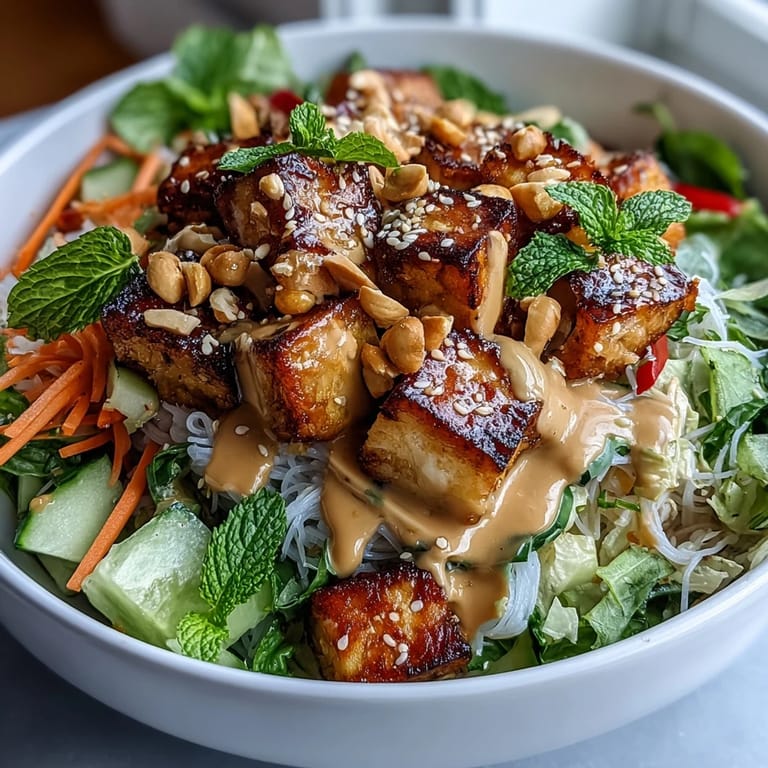
- Divide the cooled noodles among four bowls, then arrange each vegetable and the herbs in little piles on top—it looks intentional and lets people choose what they want in each bite. Nestle the protein somewhere in the middle so it's equally distributed when everything gets mixed together.
- Finish with flourish:
- Drizzle the peanut sauce generously over everything, then sprinkle the roasted peanuts and sesame seeds across the top like confetti. Serve with lime wedges and let everyone squeeze and mix to their own preference.
 Save to Pinterest
 There's something almost meditative about laying out a bowl like this, watching someone you care about pick it apart and reassemble it according to their own tastes. It stops being just dinner and becomes a small moment of control and joy in the middle of an otherwise chaotic day.
Why This Bowl Works Every Single Time
The magic here isn't in any single ingredient—it's in the ratio of textures and temperatures. You've got soft noodles, crisp vegetables, creamy sauce, and crunchy garnishes all existing in perfect tension. The herbs don't just taste fresh; they make everything else taste more like itself, and the peanut sauce ties it all together without dominating. This is a bowl that respects simplicity while still feeling sophisticated.
Customization is the Whole Point
One of my favorite things about this recipe is how it encourages you to build your own version. Your kitchen isn't my kitchen, and your preferences aren't mine, so treat the ingredient list as a starting point rather than gospel. I've added sliced radishes for extra crunch, swapped in grilled chicken for the tofu, and even thrown in some thinly sliced avocado on a particularly indulgent evening. The structure stays the same; everything else can shift based on what's in your crisper or what sounds good on that particular day.
The Sauce is Everything
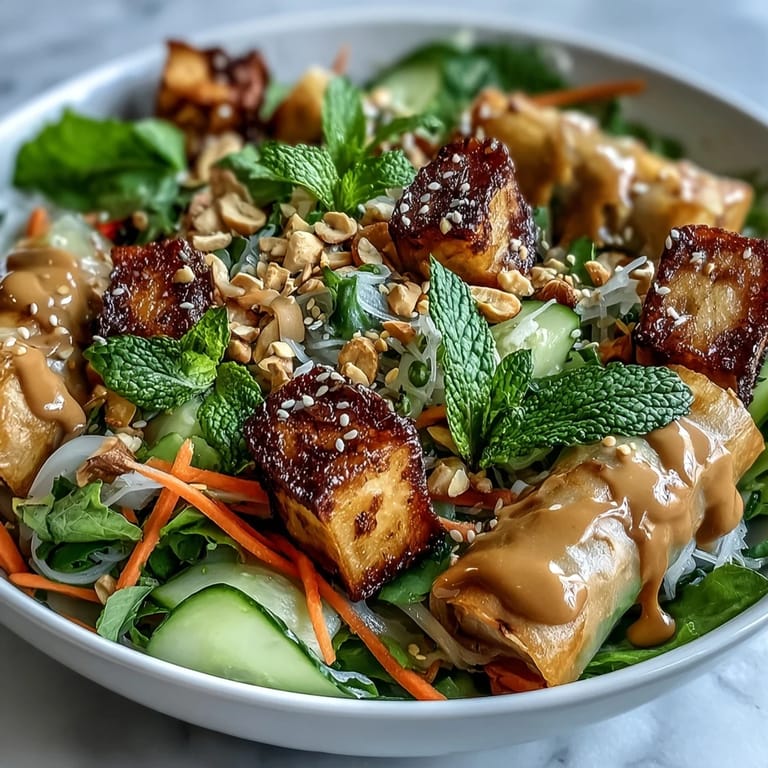
I used to make peanut sauce too thick, thinking it needed to coat the noodles heavily, but I've learned that a thinner, more pourable consistency actually lets you taste the vegetables and noodles beneath it. The sauce should enhance rather than dominate, adding richness and depth without overshadowing the freshness you've worked to preserve. If you want extra heat, add sriracha or sliced fresh chili to your own bowl rather than to the communal batch—this way, everyone gets to control their own spice level.
- For a more decadent sauce, stir in a splash of coconut milk to add sweetness and body.
- If your sauce breaks or looks grainy, whisk in another tablespoon of warm water and it should smooth right out.
- Leftover peanut sauce keeps in the fridge for nearly a week and tastes brilliant drizzled over roasted vegetables or stirred into soups.
 Save to Pinterest
 This bowl has become my answer to the question of what to cook when I want something that feels vibrant and alive but doesn't demand much from me. It's proof that the simplest meals often end up being the most memorable.
Recipe Questions & Answers
- → Can I substitute the protein with alternatives?
Yes, you can swap tofu or shrimp with grilled chicken or other preferred proteins to suit your taste.
- → How can I make the sauce less thick?
Add warm water gradually while whisking the peanut sauce until you reach your desired consistency.
- → What noodles work best for this bowl?
Rice vermicelli noodles are ideal for their delicate texture and ability to soak up flavors.
- → Is there a gluten-free option available?
Use tamari instead of soy sauce to keep the dish gluten-free.
- → Can I add spice to the sauce?
Yes, incorporating sriracha or fresh sliced chili into the peanut sauce adds a pleasant heat.