 Save to Pinterest
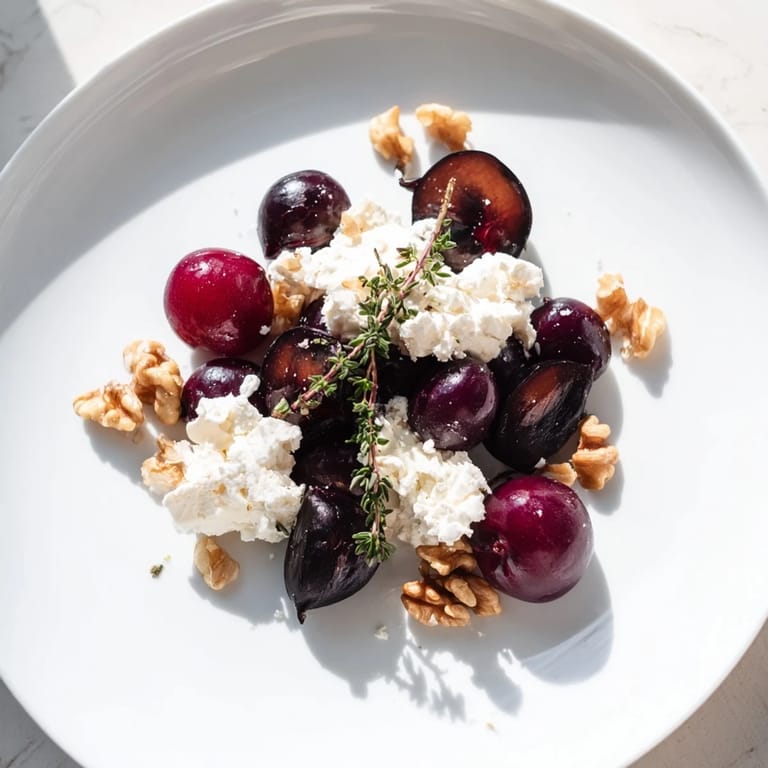
 I discovered this platter on a late evening when friends dropped by unexpectedly, and I had just enough beautiful fruit and a wedge of black-ashed goat cheese in my fridge to pull together something stunning. There's something magical about how the dark cherries and purple grapes catch the light against that creamy, ash-dusted cheese. The whole thing came together in minutes, yet felt effortlessly sophisticated. My guests kept raving about how the salty cheese played against the sweet fruit, and I realized I'd stumbled onto something I'd be making again and again.
I'll never forget the first time I served this to my sister, who arrived straight from work looking completely frazzled. She took one look at the platter, grabbed a cherry with a piece of cheese, and just paused—like something clicked. She told me later it was the first moment all day she actually felt calm. That's when I understood this wasn't just a platter; it was permission to slow down.
Ingredients
- Dark cherries, pitted and halved (1 cup): Choose ones that feel heavy for their size—they'll be juicier and more flavorful, and pitting them yourself ensures you catch any that aren't quite ripe.
- Ripe plums, sliced into wedges (2): The key here is finding that sweet spot between firm and soft; a plum that gives slightly to pressure will have the best flavor and won't be mealy.
- Purple grapes, halved (1 cup): Halving them releases their juice and creates more surface area for the cheese to cling to, which is a small trick that makes a real difference.
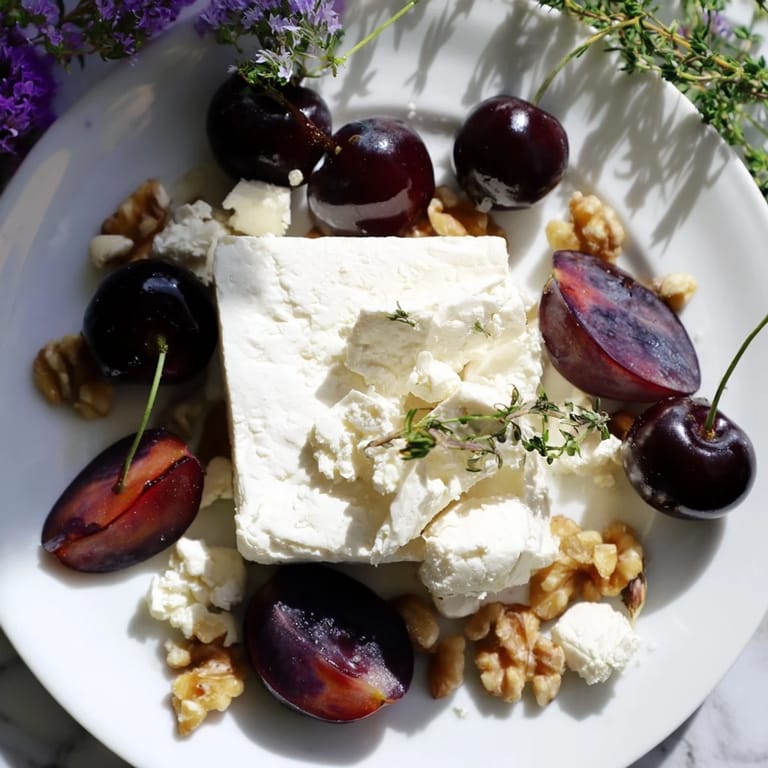
- Black-ashed goat cheese (200 g): This cheese is the star—that ash layer adds earthiness and visual drama, and it melts beautifully on warm fruit.
- Toasted walnuts (2 tbsp, optional): I toast mine in a dry pan for just a couple minutes until fragrant; it deepens their flavor dramatically.
- Honey (1 tbsp, optional): A light drizzle at the end brings brightness and balances the cheese's tanginess without overwhelming the fruit.
- Fresh thyme sprigs: Beyond garnish, a few leaves add a subtle herbal note that ties everything together.
Tired of Takeout? 🥡
Get 10 meals you can make faster than delivery arrives. Seriously.
One email. No spam. Unsubscribe anytime.
Instructions
- Arrange Your Foundation:
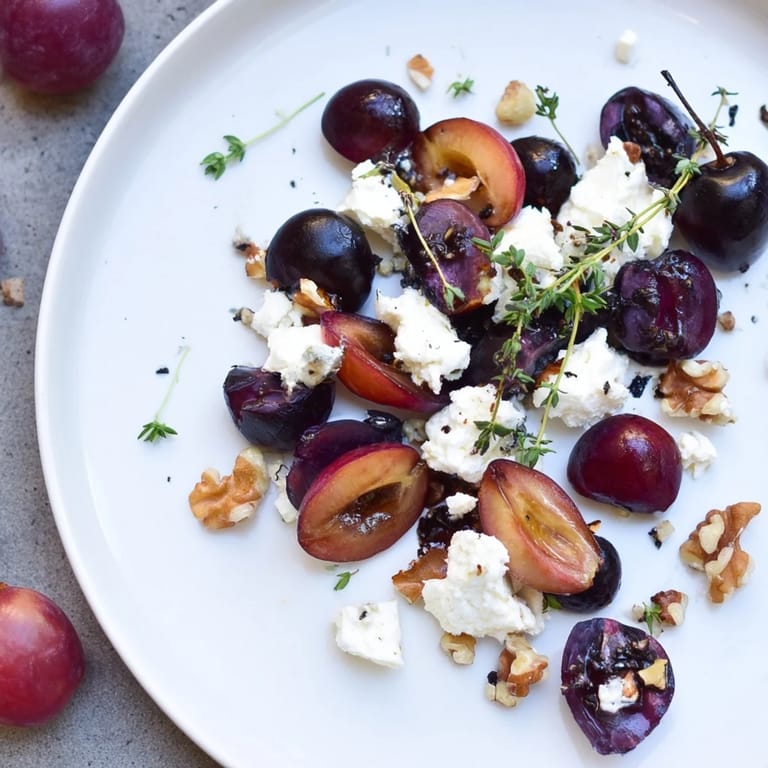
- Spread the cherries, plums, and grapes across your platter in loose clusters rather than scattering randomly—grouping them creates visual rhythm and makes it easier for guests to grab what they want. Leave generous pockets of empty space so the board doesn't feel crowded and the eye can travel across it.
- Position the Cheese:
- Nestle the goat cheese among the fruit, either in slices or crumbles depending on your mood and how firm it is. If it's soft, crumbling works better; if it's slightly chilled and firm, beautiful slices create more visual impact.
- Add the Finishing Touches:
- Scatter walnuts across the platter if you're using them, then drizzle honey in thin streams—less is more here, since you want it to accent, not coat. The warmth of the room will gently soften the honey into pockets where it can mingle with the cheese.
- Garnish and Serve:
- Break up thyme sprigs and scatter them across the board, letting some leaves fall naturally into crevices. Serve it right away while everything is at its best—the fruit is still cool, the cheese still creamy, and the whole thing is ready for your guests to dive in and create their own perfect bite.
 Save to Pinterest
 There was an afternoon when I made this for my neighbor while she was dealing with the heaviness of a difficult transition. As she picked at the platter, she started talking again—really talking—for the first time in weeks. I realized then that sometimes feeding people isn't about the meal being complicated or special; it's about creating a moment where everything else falls away.
Why This Works as an Appetizer
The genius of this platter is that it's neither heavy nor pretentious, so guests can graze without feeling full before the main course arrives. The natural sweetness of the fruit refreshes the palate between bites, and the cheese adds just enough richness to feel indulgent. It's the kind of opener that sets a sophisticated tone without requiring you to spend your entire evening in the kitchen.
Pairing and Serving
I've learned that this platter is incredibly flexible—it moves beautifully from casual to formal depending on your glassware and how you present it. A dry sparkling wine or light-bodied red wine sings alongside these flavors, the wine's acidity cutting through the cheese's richness while complementing the fruit's natural sweetness. If you want to make it more substantial, add thin slices of toasted baguette or gluten-free crackers for those who want to build something more composed.
Customizing for Your Table
The beauty of a platter like this is that it bends to what you have and who you're feeding. Some seasons I swap in different stone fruits or berries depending on what's at peak ripeness; other times I've added soft cheeses or blue cheese for different flavor profiles. The core idea—cool fruit meeting creamy, savory cheese—stays the same, but the details shift with the moment.
- If you're making this vegan, choose an ash-coated plant-based cheese that has similar tanginess and creamy texture to goat cheese.
- For a deeper honey moment, try a darker variety like chestnut or buckwheat honey, which adds complexity without being floral.
- Toasting the nuts just before serving keeps them crisp and prevents them from absorbing moisture from the fruit.
 Save to Pinterest
 This platter reminds me that sometimes the most memorable meals aren't about elaborate techniques or endless ingredient lists. It's about choosing beautiful things, arranging them with intention, and letting people experience them together.
Recipe Questions & Answers
- → What fruits are used in the Midnight Orchard platter?
Dark cherries, ripe plums, and purple grapes are grouped attractively to create a visually appealing display.
- → Which cheese complements the fruit selection?
Black-ashed goat cheese provides a creamy, slightly tangy contrast that pairs beautifully with the fresh fruit.
- → Can any garnishes enhance this platter?
Optional toasted walnuts add crunch and honey adds subtle sweetness, while fresh thyme offers aromatic notes.
- → Is this dish suitable for special diets?
Yes, it caters to vegetarian and gluten-free diets and can be adapted vegan by using plant-based ash-coated cheese.
- → What serving suggestions complement the platter?
Serve with thin slices of toasted baguette or gluten-free crackers and pair with a dry sparkling wine or light red wine for balance.
- → How long does preparation take?
Preparation takes about 15 minutes with no cooking required, making it quick and easy for entertaining.