 Save to Pinterest
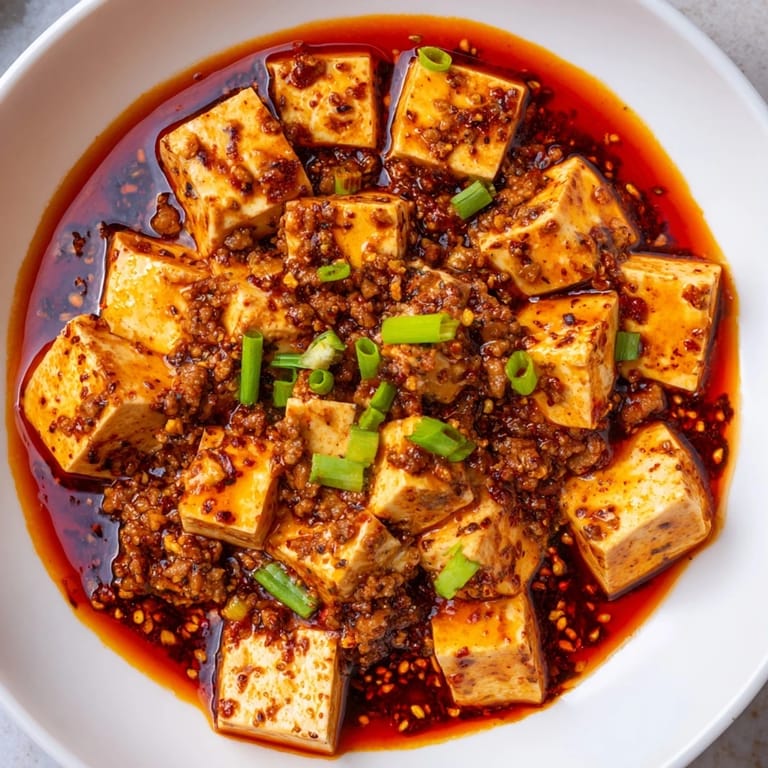
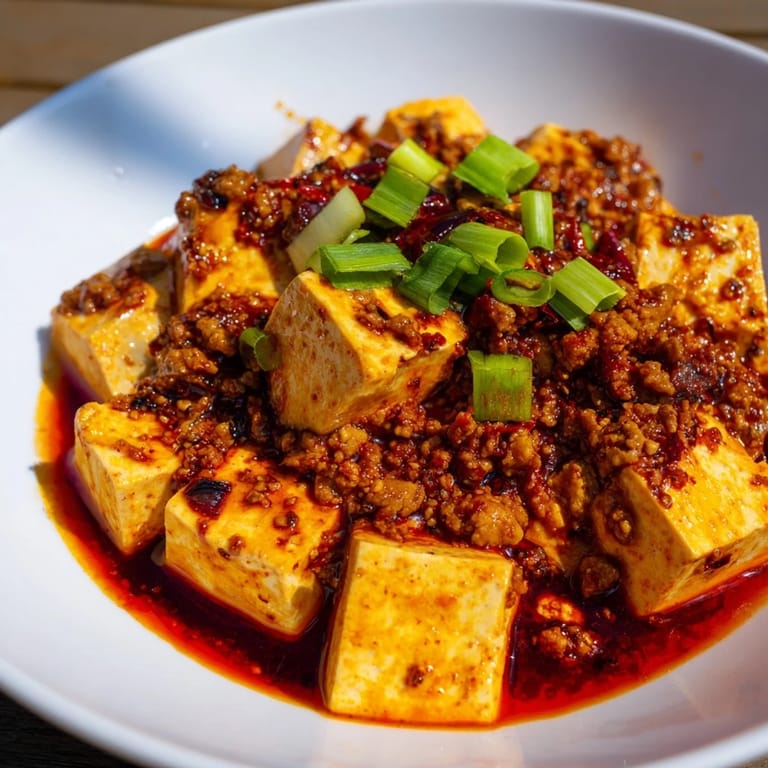
 The first time I tasted real mapo tofu was in a small Sichuan restaurant where the chef watched me navigate the heat with the kind of patient amusement reserved for first-timers. That numbing-spicy sensation, the way the silky tofu seemed to dissolve on my tongue while the sauce clung to every grain of rice, convinced me that night that I had to learn to make it at home. What started as a mission to recreate that exact experience turned into something better: a dish I could adjust to my mood, my pantry, and how much heat I wanted to face on any given evening.
I made this for a friend who claimed they didn't like tofu, and watching their face change when that numbing sensation hit their tongue, followed by the rich, complex flavor of the sauce, was worth every minute of prep. They went back for seconds and asked for the recipe before they'd even finished the first bowl, which felt like the highest compliment a dish could receive.
Ingredients
- Silken or soft tofu (400 g): The delicate texture melts into the sauce, but if you prefer tofu that holds its shape stubbornly, swap it for firm tofu and accept that you're trading silk for structure.
- Ground pork or beef (150 g, optional): Adds umami depth and texture, but the dish shines vegetarian when you use vegetarian doubanjiang and skip the meat entirely.
- Sichuan doubanjiang (2 tbsp): This fermented chili bean paste is the soul of the dish—there's no real substitute, so don't try to replace it with sriracha or sambal.
- Soy sauce (1 tbsp): Use low-sodium if you can, since the doubanjiang already brings saltiness.
- Shaoxing wine (1 tbsp): Dry sherry works in a pinch, but Shaoxing has a subtle sweetness that matters.
- Sugar (1 tsp): A small amount balances the heat and deepens the sauce without making it taste sweet.
- Chicken or vegetable broth (1/2 cup): Low-sodium is essential here, or you'll end up with an oversalted dish.
- Cornstarch slurry (1 tbsp cornstarch mixed with 2 tbsp water): This creates the silky, clingy sauce that coats the tofu.
- Sichuan peppercorns (1 tbsp, toasted and ground): Toast them yourself for the most authentic numbing sensation—pre-ground loses its power quickly.
- Vegetable oil (3 tbsp): The aromatics will bloom in this, so use something neutral and flavorless.
- Garlic and ginger (3 cloves and 2 tsp): Fresh and minced fine, these build the flavor base before the doubanjiang joins in.
- Scallions (2, white and green parts separated): The whites go into the pan for cooking, the greens scatter over top for brightness.
- Dried red chilies (1–2, chopped): Optional but worth including if you like the dish to announce itself on the palate.
Tired of Takeout? 🥡
Get 10 meals you can make faster than delivery arrives. Seriously.
One email. No spam. Unsubscribe anytime.
Instructions
- Get everything ready:
- Drain the tofu and cut it into cubes roughly the size of dice—this takes a moment longer than you'd think if you want them even. Mix your cornstarch with water in a small bowl and set it aside; this mixture will thicken the sauce at the very end.
- Toast and grind the peppercorns:
- Heat a large nonstick skillet or wok over medium heat, add the Sichuan peppercorns, and let them warm until they smell impossibly fragrant. Grind them in a mortar and pestle—you want them coarse, not fine powder.
- Wake up the aromatics:
- Pour oil into the pan, then add the white parts of your scallions along with the garlic and ginger. Stir constantly for about a minute until the smell hits you—that's when you know they're ready for the next step.
- Brown the meat (if using):
- If you're using pork or beef, add it now and break it up as it cooks, letting it turn golden and lose its raw look. This takes about three to four minutes.
- Deepen the flavor:
- Stir in the doubanjiang and any dried chilies, cooking for a minute or two until the oil around it turns a shade of red and the whole pan smells like you're in Sichuan. This is the moment the dish takes shape.
- Build the sauce:
- Add the Shaoxing wine, soy sauce, sugar, and broth. Bring it to a gentle simmer, letting the liquid bubble softly for a moment before you introduce the tofu.
- Slide in the tofu:
- Lower the tofu cubes into the simmering sauce gently, as if you're settling them into a warm bath. Spoon the sauce over them constantly for about five minutes, never stirring aggressively—just occasional gentle movements to coat everything evenly.
- Thicken the sauce:
- Stir your cornstarch slurry once more to make sure it's mixed, then drizzle it into the pan while stirring gently. The sauce will thicken within thirty seconds or so, clinging to the tofu like you wanted.
- Finish with heat and green:
- Sprinkle the ground Sichuan peppercorns over everything, add half the green parts of your scallions, and taste—adjust the heat or salt if the moment calls for it. Serve immediately over steamed jasmine rice, with extra scallions and chili oil scattered on top if you want more drama.
 Save to Pinterest
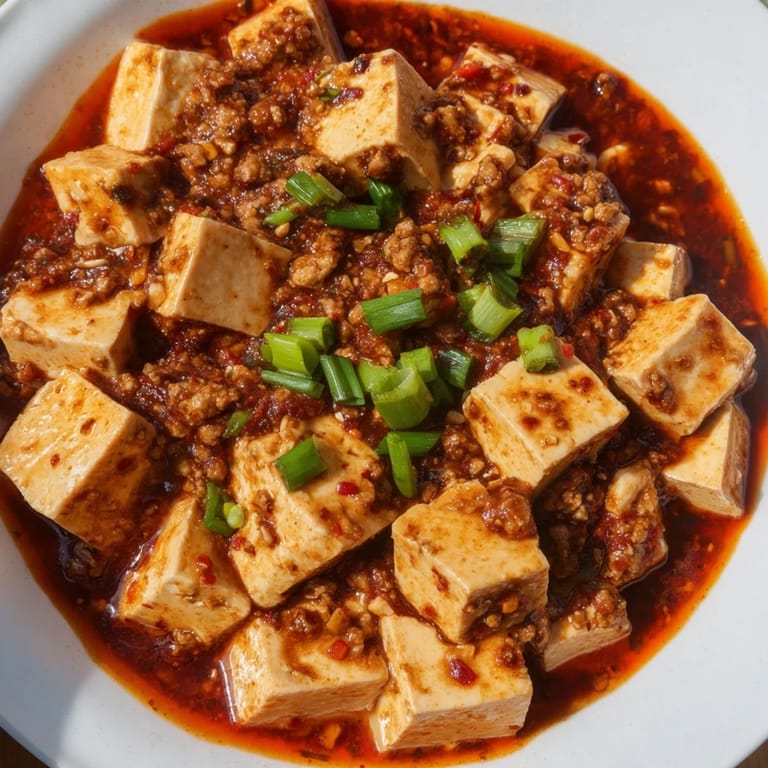
 There's a moment near the end of cooking when the sauce clings to the tofu just right, when the kitchen fills with that complex, layered aroma that tells you something special is about to happen. That's when I know this dish has moved beyond a recipe and become something that matters—a little moment of comfort and adventure at the same time.
Why Sichuan Peppercorns Are Worth the Search
Real Sichuan peppercorns create a sensation that standard black pepper can't touch—a tingling, numbing feeling called málà that coats your mouth without harsh heat. The first time you experience it, your brain struggles to categorize the sensation, but once you've felt it, you understand why this spice defined an entire regional cuisine. I keep a small jar in my pantry now, toasted fresh whenever I'm making this dish, because the difference between pre-ground and freshly toasted is the difference between a good dish and one that stops you mid-bite.
Adjusting Heat and Spice to Your Preference
This recipe as written brings a solid level of heat and numbing sensation, but your tolerance and preferences matter more than the recipe. If you like things milder, reduce the doubanjiang to a tablespoon and skip the dried chilies entirely—you'll lose some of the layered complexity, but the dish will still be delicious. If heat is your love language, increase both the doubanjiang and the chilies, and don't be shy with the chili oil at the end. I've made this dish for everyone from my grandmother to my college roommate who brags about spice tolerance, and the magic is that it adapts.
Vegetarian and Allergen Considerations
Tofu is already the star of this dish, so removing the pork doesn't diminish anything—it simply lets the sauce and tofu relationship take center stage. Make sure you're using vegetarian doubanjiang (clearly labeled as such), and swap the chicken broth for vegetable broth, and you have a dish that's just as satisfying and arguably more elegant in its simplicity. Keep in mind that soy sauce, doubanjiang, and sometimes the broth contain gluten, so if you're cooking for someone with celiac disease or gluten sensitivity, read every label carefully.
- Vegetarian doubanjiang exists and is worth seeking out—it tastes nearly identical to the standard version but respects dietary choices.
- Shaoxing wine contains alcohol; if that's a concern, replace it with an equal amount of the broth you're already using.
- Always check your bean paste and soy sauce labels for allergens and hidden gluten, because brands vary widely.
 Save to Pinterest
 This dish has become my go-to when I want to feel like I'm cooking something ambitious without actually spending much time in the kitchen. Make it once, and it becomes yours to adjust, improvise, and perfect.
Recipe Questions & Answers
- → What type of tofu works best?
Silken or soft tofu provides a delicate texture that absorbs flavors well, though firmer tofu holds shape better during cooking.
- → Can I make this dish vegetarian?
Yes, omit meat and use vegetarian chili bean paste and vegetable broth for a meat-free version.
- → How do Sichuan peppercorns affect the dish?
They add a distinctive numbing, citrusy flavor that balances the chili heat and enhances complexity.
- → What is the purpose of Shaoxing wine?
It adds depth and subtle sweetness, enriching the sauce’s flavor profile.
- → How spicy is the final dish?
The heat can be adjusted by varying the amount of chili bean paste and dried chilies to suit your preference.
- → What should I serve this with?
Steamed jasmine rice complements the rich, spicy sauce and balances its intensity.