 Save to Pinterest
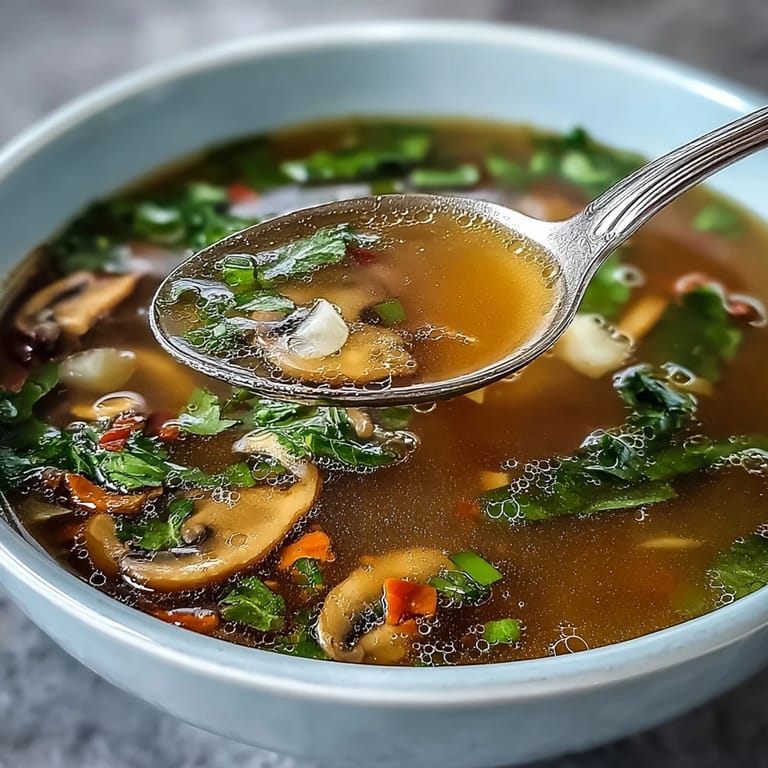
 There's something about the smell of ginger hitting hot broth that makes everything else fade away. I discovered this soup on a grey afternoon when the kitchen felt too quiet, and I needed something that tasted like comfort without heaviness. The miso adds this quiet depth that sneaks up on you, warm and salty in all the right ways. It became my go-to when winter settled in hard, the kind of bowl you wrap both hands around and actually listen to yourself think.
I made this for my neighbor last January when she wasn't feeling well, and she told me weeks later that she'd started making it herself every Sunday. That's when I realized it wasn't just about the ingredients, but how they came together to make something people actually wanted to return to. Now when someone mentions being under the weather or just tired, this is what I suggest.
Ingredients
- Water or low-sodium vegetable broth (6 cups): This is your foundation, so don't rush past it. I learned to use broth instead of plain water because it adds a subtle sweetness that makes the whole soup taste more intentional.
- Fresh ginger (2-inch piece, thinly sliced): Don't peel it unless you really want to, the skin holds flavor and it softens as it simmers. I slice it thin because it distributes through the broth more evenly and feels less aggressive in the finished bowl.
- Garlic cloves (2, thinly sliced): Sliced rather than minced so you can fish out the pieces if you prefer, though I usually leave them in for the soft sweetness they develop.
- White or yellow miso paste (2 tablespoons): This is where the umami lives, so choose one you actually like tasting on a spoon because you'll know if something's off. Keep it away from high heat or you'll lose the probiotic benefits and that subtle funk that makes it special.
- Napa cabbage (1 cup, thinly sliced): It wilts into almost nothing but leaves a delicate sweetness behind, and it's gentle enough for days when your stomach needs kindness.
- Carrot (1 medium, julienned): The thin cuts cook quickly and add a natural sweetness that balances the salty miso perfectly.
- Shiitake mushrooms (1 cup, stemmed and sliced): These add an earthy depth that feels luxurious, but honestly button or enoki work just as well if that's what you have.
- Scallions (2, sliced): Save these for garnish because they stay bright and fresh tasting when they're not cooked to death in the broth.
- Toasted sesame seeds (1 tablespoon): Toast them yourself if you can, the smell alone tells you something good is about to happen.
- Fresh cilantro or parsley (1 tablespoon, optional): Cilantro if you love it, parsley if you don't, or honestly skip it if neither calls to you.
- Chili oil or chili flakes (1 teaspoon, optional): A tiny warmth on top, just enough to wake up your mouth without overshadowing everything else.
- Silken tofu (200 g, cubed, optional): It's so gentle it barely announces itself, just adds substance and a bit of protein if you want it.
- Cooked soba or rice noodles (100 g, optional): Cook these separate and only add what you'll actually eat because they keep soaking up broth and get mushy.
Tired of Takeout? 🥡
Get 10 meals you can make faster than delivery arrives. Seriously.
One email. No spam. Unsubscribe anytime.
Instructions
- Start the broth gently:
- Bring your water or broth to a simmer in a large pot, not a rolling boil because you want this to feel calm and unhurried. Watch for the first small bubbles breaking the surface and you'll know you're in the right place.
- Infuse with ginger and garlic:
- Slide in the sliced ginger and garlic and let them swim around for 10 minutes, the broth will turn pale gold and smell like someone's been kind to you. This is the moment where the foundation becomes something alive.
- Add the vegetables:
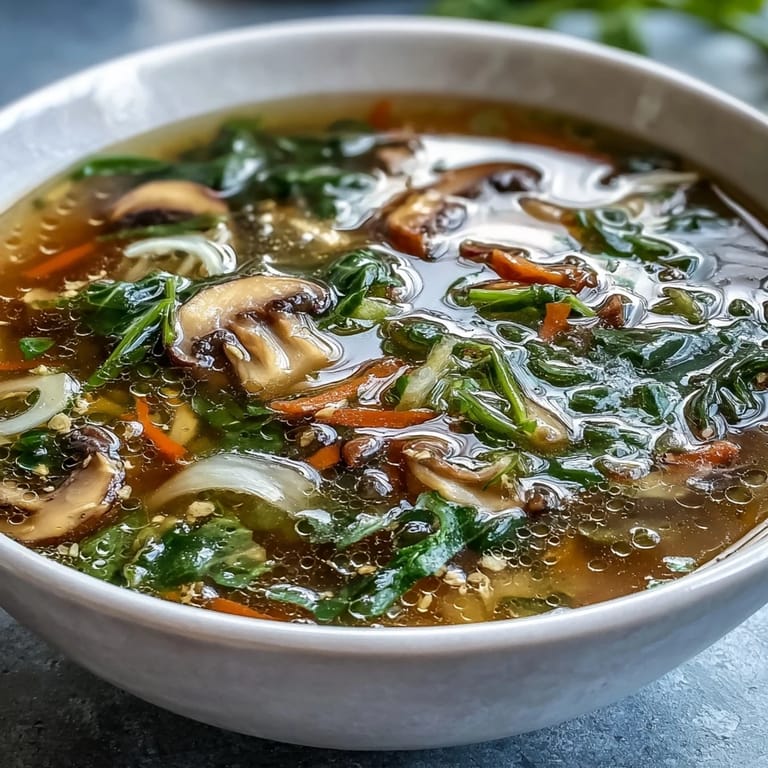
- Drop in the cabbage, carrot, and mushrooms and watch them soften over 5 to 7 minutes, they should still have a tiny bit of resistance when you bite them. The broth will taste cleaner and more complete almost immediately.
- Prepare the miso:
- Pull the pot off the heat because this is the crucial part, scoop out a ladle of hot broth and whisk it with the miso paste in a small bowl until there are no lumps. You're tempering the miso so it dissolves silky instead of clumping, and you're keeping the live cultures alive by never letting it boil.
- Finish the broth:
- Pour the miso mixture back into the pot and stir it gently through, the whole thing becomes warmer and more inviting with that salty depth spreading through. If you're adding tofu or noodles, this is when they go in to warm through for about 2 minutes.
- Serve with intention:
- Ladle it into bowls and scatter the scallions, sesame seeds, and whatever else is calling to you across the top. Serve it right away while everything is still warm and the flavors are singing.
 Save to Pinterest
 Someone once told me that miso soup was invented because humans understood that sometimes what we need isn't fancy or complicated, just something warm that tastes like someone's been thinking about our wellbeing. This soup feels like that to me every single time.
The Miso Question
I spent way too long using the wrong miso before understanding that white and yellow varieties have completely different personalities. Yellow is nuttier and a bit more assertive, while white is sweeter and more delicate, so if you usually make this soup and it tastes off, try switching your miso brand or style before you change anything else. The difference is subtle but it changes whether you want a second bowl or feel satisfied after one.
Building Your Own Version
The magic of this soup is that it's a template, not a prescription, so don't feel locked into my exact vegetables. I've made it with bok choy that turned silky, with spinach that added an iron-y earthiness, with daikon that brought this clean crispness that felt almost cleansing. Winter is the season where you get to play with what's available and what your body seems to want.
Pairings and Moments
This is the soup I make on mornings when I'm not sure how I feel about the day ahead, something about the ritual of slicing vegetables and watching the broth transform settles my mind before I even taste it. Pair it with a crisp white wine if you're making it for guests, or with green tea if you're having it quiet and alone, it meets you wherever you are. The soup doesn't ask for much, just a spoon and maybe five minutes of your actual attention.
- A squeeze of fresh lemon at the very end wakes everything up if the flavors feel like they've gone sleepy.
- Save any leftover broth and use it as a base for tomorrow's quick lunch, it only gets better as the flavors settle.
- If you're cooking for someone who needs gentle food, this is the answer you've been looking for.
 Save to Pinterest
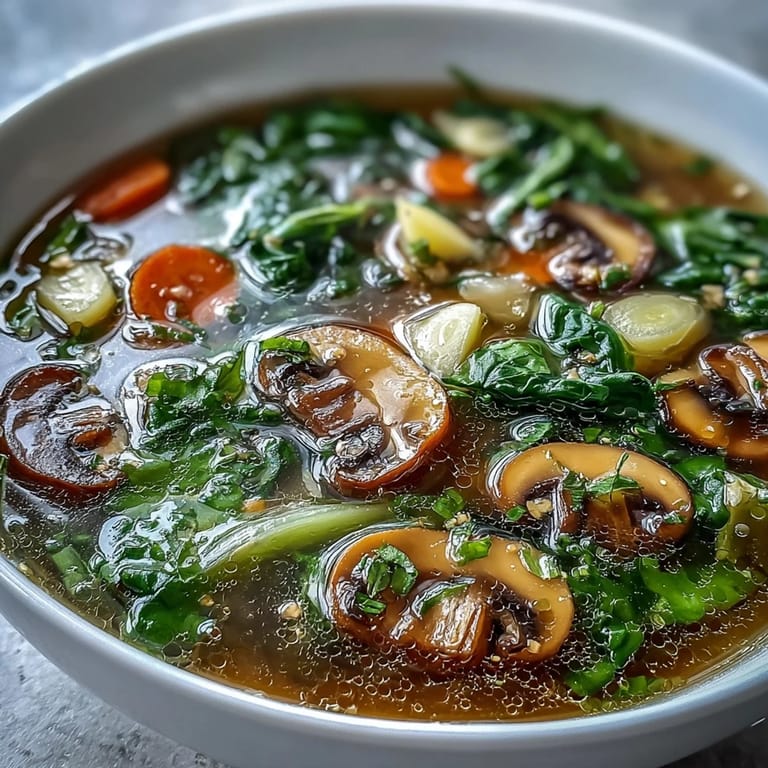
 This soup has become my winter companion, the thing I reach for when I need something honest and warm. Make it for yourself, make it for someone else, but mostly just make it and pay attention to how it makes you feel.
Recipe Questions & Answers
- → Why shouldn't I boil the soup after adding miso?
Boiling miso paste destroys the beneficial probiotics and enzymes that make it valuable for gut health. The traditional method involves dissolving miso in a small amount of hot broth first, then stirring it into the soup off the heat. This preserves both the probiotic benefits and the delicate umami flavor.
- → Can I make this soup ahead of time?
You can prepare the broth and vegetables in advance, but add the miso just before serving. Store the base soup in the refrigerator for up to 3 days. When reheating, warm gently without boiling, then stir in the miso paste. If adding tofu, add it during reheating so it doesn't become mushy.
- → What type of miso works best?
White or yellow miso paste is ideal for this soup because of its milder, sweeter flavor profile. Red miso has a stronger, more intense taste that can overpower the delicate vegetables. Look for organic, unpasteurized miso in the refrigerated section of grocery stores for the best probiotic content.
- → How can I make this soup more filling?
Add cubed silken tofu for protein without altering the flavor significantly. Cooked soba or rice noodles also make the soup more substantial. You can increase the quantity of vegetables or add bok choy, spinach, or daikon radish for more bulk and nutrition.
- → Is this soup gluten-free?
The base soup is naturally gluten-free when made with water or gluten-free vegetable broth. However, traditional miso contains barley, and soba noodles often include wheat. To keep it gluten-free, choose certified gluten-free miso and use rice noodles instead of soba. Always check labels carefully if you have celiac disease or gluten sensitivity.
- → What vegetables can I substitute?
Beyond napa cabbage and carrots, try bok choy, spinach, kale, or Swiss chard for greens. Daikon radish adds crunch and mild sweetness. Enoki or button mushrooms work well in place of shiitakes. Winter squash like kabocha would also complement the ginger and miso flavors beautifully.