 Save to Pinterest
 Last January, I stood in my kitchen on one of those grey mornings where nothing felt quite right, and I realized I'd been eating the same sad lunch for days. My friend texted a photo of this grain bowl she'd made, and something about the way the warm grains caught the light made me want to stop scrolling and actually cook. An hour later, I was layering warm farro with caramelized root vegetables, and the whole apartment smelled like thyme and possibility. That bowl became my ritual through the coldest weeks—something that felt both comforting and genuinely nourishing, not like I was punishing myself with "healthy" food.
I made this for my family during a snowy Sunday dinner, and my usually picky nephew actually asked for seconds, which never happens. My mom kept sneaking bites of the pumpkin seeds, and suddenly we were all talking about which vegetables we liked best instead of scrolling our phones. That's when I knew this bowl had become something special—it brought people to the table without feeling like I'd spent all day cooking.
Ingredients
- Farro or quinoa, 1 cup: Farro has a nutty chew that makes the bowl feel substantial, but quinoa is lighter and naturally gluten-free if that matters to you.
- Vegetable broth, 2 cups: This is worth buying good broth or making your own—it seasons the grains from the inside out.
- Carrots, 2 medium: Dicing them smaller helps them caramelize better in the oven.
- Parsnips, 2: These add an earthy sweetness that regular root veggies don't quite capture.
- Sweet potato, 1 small: The edges get crispy in the oven, which contrasts beautifully with the soft center.
- Olive oil, 3 tbsp total: Use good oil here—you taste it raw in the dressing and cooked on the vegetables.
- Dried thyme, 1 tsp: This herb bridges all the flavors together; don't skip it.
- Sea salt and black pepper: Season generously as you go.
- Kale or Swiss chard, 4 cups: Kale holds its structure better, but chard is silkier if you prefer that texture.
- Garlic, 1 clove: Mincing it fine lets it dissolve into the greens rather than sitting in chunks.
- Tahini, 1/4 cup: Stir the jar well before measuring—the oil separates and changes the consistency.
- Lemon juice, 2 tbsp: Fresh juice only; bottled changes the flavor profile completely.
- Maple syrup, 1 tbsp: This balances the tahini's earthiness with just enough sweetness.
- Warm water, 2 tbsp plus more: Starting with warm water helps the tahini emulsify smoothly.
- Dijon mustard, 1/2 tsp: This tiny amount adds tang and helps the dressing come together.
- Pumpkin seeds, 1/4 cup toasted: Toast them yourself if you can—the difference is remarkable.
- Feta cheese, 1/4 cup crumbled: A good quality feta makes this; the cheap kind disappears into nothing.
- Fresh parsley, 2 tbsp chopped: Add this right before serving so it stays bright.
Tired of Takeout? 🥡
Get 10 meals you can make faster than delivery arrives. Seriously.
One email. No spam. Unsubscribe anytime.
Instructions
- Heat your oven and prep the vegetables:
- Preheat to 400°F and while it's warming, toss your diced carrots, parsnips, and sweet potato with olive oil, thyme, salt, and pepper in a large bowl. Spread them on a baking sheet in a single layer so they roast instead of steam.
- Get the grains cooking:
- Rinse your farro or quinoa quickly under cold water, then combine with vegetable broth in a saucepan and bring to a boil. Once it's bubbling, turn the heat down, cover it, and let it simmer quietly—farro takes about 30 minutes, quinoa closer to 20.
- Roast until golden:
- Let the vegetables spend 25 to 30 minutes in the oven, stirring halfway through so they brown evenly on all sides. You're looking for caramelized edges and a fork-tender center.
- Sauté the greens quickly:
- While everything else is cooking, warm a large skillet over medium heat with olive oil, add your minced garlic for just 30 seconds so it releases its aroma, then add the chopped greens with a pinch of salt. Cook for 3 to 4 minutes, stirring occasionally, until they're tender but still have some character.
- Make the dressing smooth:
- Whisk tahini, lemon juice, maple syrup, warm water, and Dijon mustard together in a small bowl, stirring until it's creamy and pourable. If it's too thick, add water a tablespoon at a time until it reaches the consistency you want.
- Assemble with intention:
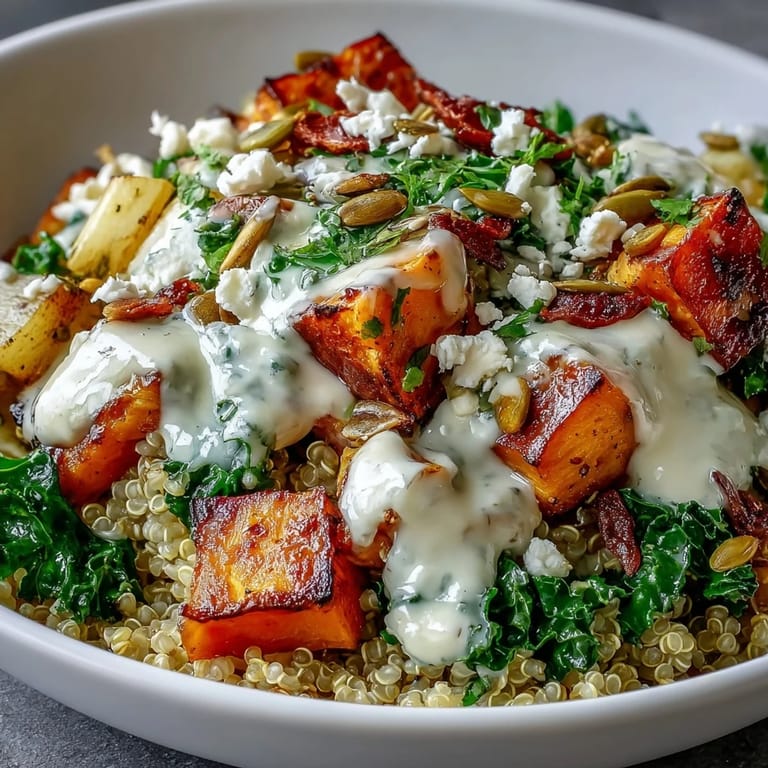
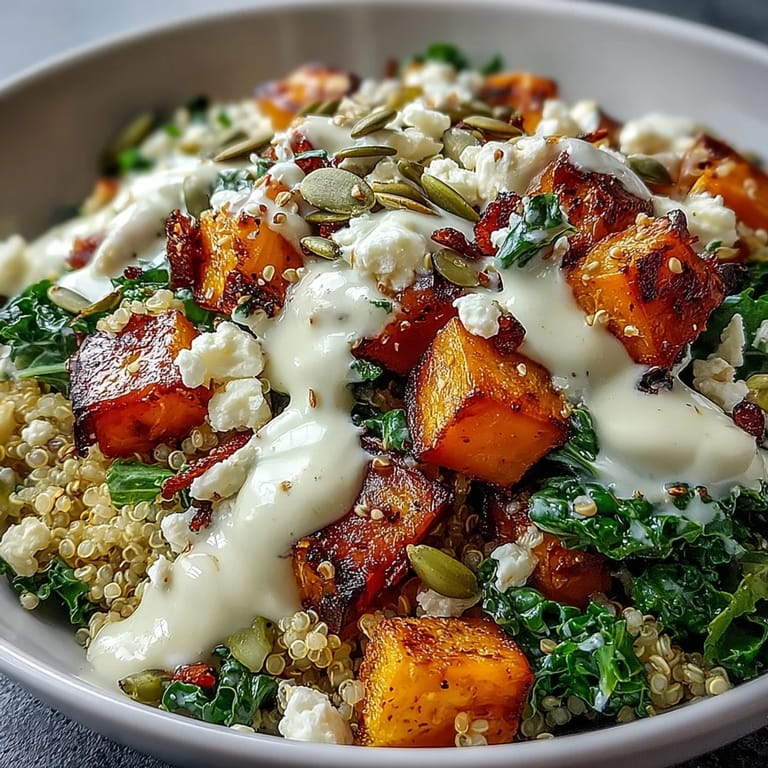
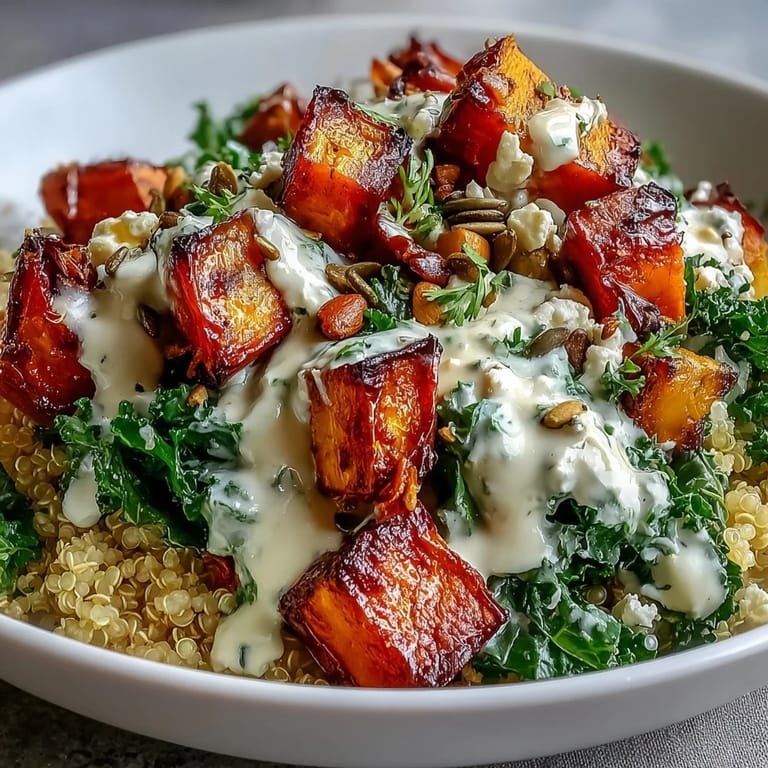
- Divide the warm grains among bowls, then layer the roasted vegetables and sautéed greens on top. Drizzle the dressing generously—don't be shy—and finish with pumpkin seeds, feta, and fresh parsley.
 Save to Pinterest
 There's something quietly powerful about sitting down with a bowl where every element has been treated with care. This dish taught me that nourishing food doesn't have to be complicated, just thoughtful.
Why the Tahini Dressing Changed Everything
I spent years making grain bowls with vinaigrettes that tasted thin and one-note, until I learned that tahini creates body and creaminess without dairy. The first time I drizzled this dressing over warm grains, it caught and pooled in all the right places, coating each vegetable and making the whole bowl taste like it was made specifically for you. Now I make extra and keep it in a jar because it transforms everything it touches.
Building Layers of Flavor
This bowl works because no single element is the star—it's the conversation between them that matters. The thyme-roasted vegetables talk to the nutty grains, the garlic-touched greens add a moment of sharpness, and the tahini dressing brings it all into harmony. When you taste each component as you build the bowl, you're not just following a recipe, you're making decisions that feel yours.
Endless Variations That Still Feel Right
I've made this bowl with roasted beets, with chickpeas stirred through the grains, with different greens depending on the season, and it never feels like I'm making a different recipe. The structure is flexible enough to hold whatever you have on hand, but the core logic stays intact. That's what makes it so livable as a regular meal rather than something you make once and forget.
- Try swapping beets or turnips for the parsnips, or adding cauliflower florets to increase volume without much effort.
- Stir in white beans or crispy roasted chickpeas for extra protein and texture that holds up through leftovers.
- Make the dressing with tahini-free alternatives like almond butter if you need to, though the flavor shifts noticeably.
 Save to Pinterest
 This bowl is the kind of meal that becomes part of your life, not just something you eat once. Make it, adjust it, make it again—it's patient enough to grow with you.
Recipe Questions & Answers
- → Can I make this grain bowl ahead of time?
Yes, you can prepare the grains and roasted vegetables up to 3 days in advance. Store them separately in airtight containers in the refrigerator. Reheat gently before assembling and add fresh dressing just before serving.
- → What grains work best for this bowl?
Farro provides a chewy, nutty texture that holds up well. Quinoa cooks faster and adds complete protein. Brown rice, barley, or wheat berries also work wonderfully. Choose based on your preference and time available.
- → How can I add more protein to this bowl?
Roasted chickpeas, grilled chicken, baked tofu, or a poached egg all make excellent protein additions. You can also serve with a side of lentils or add hemp seeds to the topping mix for plant-based protein.
- → Is the tahini dressing necessary?
The tahini dressing provides essential creaminess and ties the flavors together. If you need a substitute, try cashew cream, avocado-based dressing, or a simple vinaigrette with olive oil and lemon juice.
- → Can I use different vegetables?
Absolutely. Beets, turnips, Brussels sprouts, or butternut squash all roast beautifully. You can also add sautéed mushrooms, bell peppers, or whatever seasonal vegetables you have available.
- → How do I store leftovers?
Store components separately in the refrigerator for 3-4 days. Keep the dressing in a small jar. Reheat grains and vegetables in the microwave or oven, then assemble fresh with toppings and dressing.