 Save to Pinterest
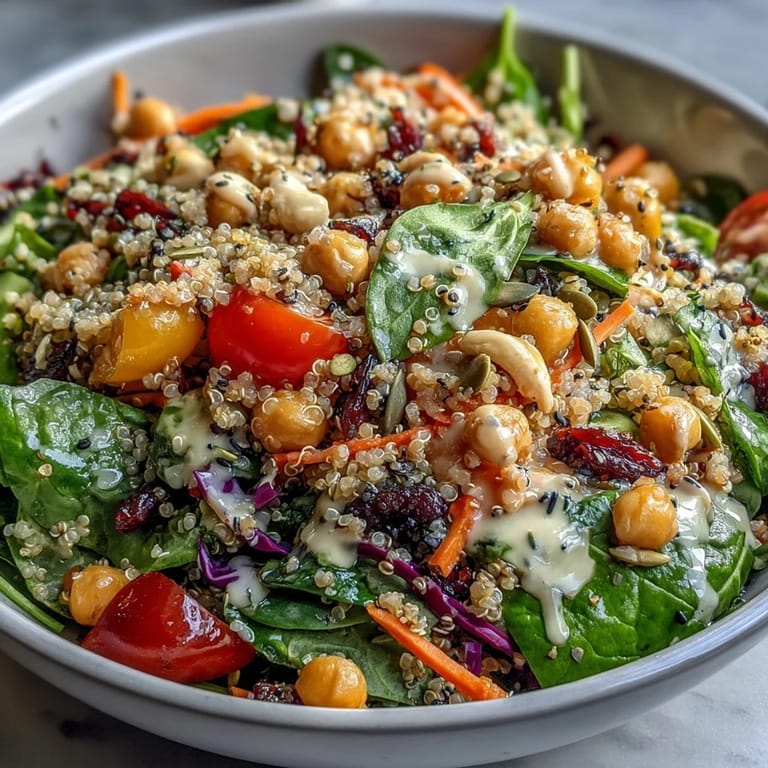
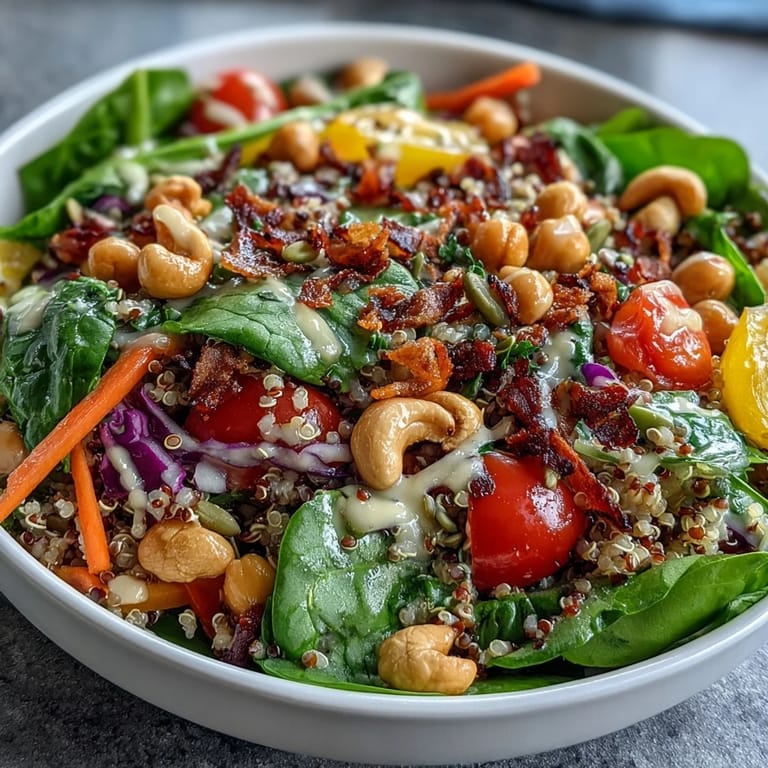
 My friend Sarah brought this bowl to a potluck on one of those scorching summer afternoons when nobody wants to turn on the oven, and I watched it disappear faster than any hot dish ever could. The thing that stopped me in my tracks wasn't just how it looked—though it genuinely looked like someone had painted a garden onto a plate—but how she described throwing it together while barely breaking a sweat. She caught me staring and laughed, saying the secret was that everything could be prepped while the grain cooled, no juggling required. I've made it dozens of times since, and it's become my go-to when I need to feel nourished without spending hours in the kitchen.
My colleague Marcus mentioned he'd been eating sad desk lunches, so I assembled one of these in a container the night before and brought it to the office. Watching him take that first bite and then immediately go quiet—that fork just hovering mid-air—told me everything. He asked if I could teach him, and honestly, the best part wasn't the recipe itself but realizing how much more people appreciate food when it actually tastes good and makes them feel energized instead of sluggish.
Ingredients
- Cooked quinoa or brown rice (1 cup, cooled): This is your foundation, and cooling it matters because warm grain makes everything wilt and soggy—I learned that the hard way.
- Cherry tomatoes, halved (1 cup): Look for ones that feel heavy for their size; they'll burst with flavor instead of tasting like watery air.
- Shredded purple cabbage (1 cup): It adds crunch that survives until lunch and contains compounds that other colors don't, making this legitimately powerful.
- Grated carrots (1 cup): Raw carrots have a natural sweetness that balances the savory elements, plus they last days without wilting.
- Yellow bell pepper, diced (1): Pick one that feels dense and has thick walls—flimsy peppers are more water than substance.
- Baby spinach leaves (1 cup): Spinach adds iron and doesn't need cooking, though it will soften slightly under the dressing weight, which is exactly what you want.
- Cucumber, sliced (1 small): Add this just before serving or keep it separate if you're prepping ahead, since cucumbers release water when exposed to salt.
- Canned chickpeas and black beans (1 cup each, drained and rinsed): The rinsing step removes the starchy liquid that would make your salad gummy—do not skip this part.
- Roasted cashews or almonds, chopped (1/3 cup): Raw nuts get soft in a salad, but roasted nuts stay crispy and their oils already have flavor built in.
- Pumpkin and sunflower seeds (2 tbsp each): Seeds provide texture and nutrition in a way that makes you feel like you're getting something special, not just eating rabbit food.
- Extra-virgin olive oil (3 tbsp): This is where you taste quality—cheap oil makes the whole thing taste cheaper.
- Fresh lemon juice (2 tbsp): Bottled juice tastes tinny; one fresh lemon takes thirty seconds to squeeze and changes everything.
- Maple syrup or honey (1 tbsp): A tiny touch of sweetness makes the acid in lemon feel balanced instead of aggressive.
- Dijon mustard (1 tsp): This emulsifies the dressing and adds tang without needing more salt.
- Minced garlic (1 clove): One clove is enough to whisper garlic flavor instead of shouting it.
- Salt and pepper: Taste as you go—the beans are already salted, so start conservatively.
- Fresh parsley or cilantro (2 tbsp, chopped): This is the flourish that makes people think you spent more time than you actually did.
Tired of Takeout? 🥡
Get 10 meals you can make faster than delivery arrives. Seriously.
One email. No spam. Unsubscribe anytime.
Instructions
- Cook your grain and let it breathe:
- Follow the package directions for quinoa or rice, then spread it on a plate or shallow bowl while it cools—this takes about fifteen minutes and lets the steam escape so it stays fluffy instead of clumping. I learned to do this separately from the salad bowl because warm grain releases moisture that softens everything else.
- Prep your vegetables with intention:
- Slice, dice, and shred everything, but keep each component in its own small pile on your cutting board—this prevents the carrots from tinting everything orange and lets you arrange the salad with color in mind. Do cucumbers last if you're eating this the same day, or keep them in a separate container if you're prepping ahead.
- Rinse your beans like you mean it:
- Drain them, then run cold water over them while stirring gently with your fingers, letting the starchy coating wash away—this takes about thirty seconds and prevents that chalky texture. Pat them dry with a paper towel so the dressing actually clings to them instead of sliding off.
- Build your bowl like you're painting:
- Arrange everything in sections radiating from the center—grain in the middle, then beans, then vegetables in color order, then nuts and seeds on top. This isn't just pretty; it means people can take spoonfuls that include everything or load up on what they love.
- Make your dressing in a small bowl:
- Whisk olive oil, lemon juice, maple syrup, mustard, and minced garlic until the mixture looks slightly cloudy and thick—this emulsification means the dressing sticks to things instead of pooling at the bottom. Season with salt and pepper, then taste it on a single piece of the salad to adjust, since the dressing tastes different in isolation than it does on food.
- Dress it just before people eat it:
- If you drizzle everything now and eat it later, the greens will wilt and the nuts will soften into submission. Either dress it at the table or offer dressing on the side, which actually feels more generous.
- Finish with the fresh herbs:
- Scatter parsley or cilantro over the top just before serving—it adds a final note of brightness and reminds everyone this is actual food, not something from a processing plant.
 Save to Pinterest
 My neighbor brought this to a birthday dinner for a friend who'd just started a plant-based journey, and I noticed how this bowl didn't feel like a concession or a compromise—it felt like abundance. Everyone filled their plate without thinking about what they were supposedly missing, and that's when I realized this recipe works because it's built on actual deliciousness, not restriction.
Why This Works as Meal Prep
I keep a batch of this in the fridge for three days, and it actually improves as it sits because the flavors marry and the grains absorb the dressing flavor. The trick is keeping the components slightly separate until you're ready to eat—I layer things in a container with vegetables on top and grain on the bottom so everything stays distinct.
Variations That Keep It Interesting
Sometimes I roast the vegetables lightly in the oven with a little olive oil and herbs before tossing them in, which changes the whole character from fresh and bright to warm and caramelized. Other times I add shredded beets, steamed broccoli, or roasted sweet potato—the formula stays the same but the bowl feels completely different. My daughter prefers it with toasted pumpkin seeds instead of nuts, which taught me that texture is sometimes more important than following the exact recipe.
Making It Your Own Without Guessing
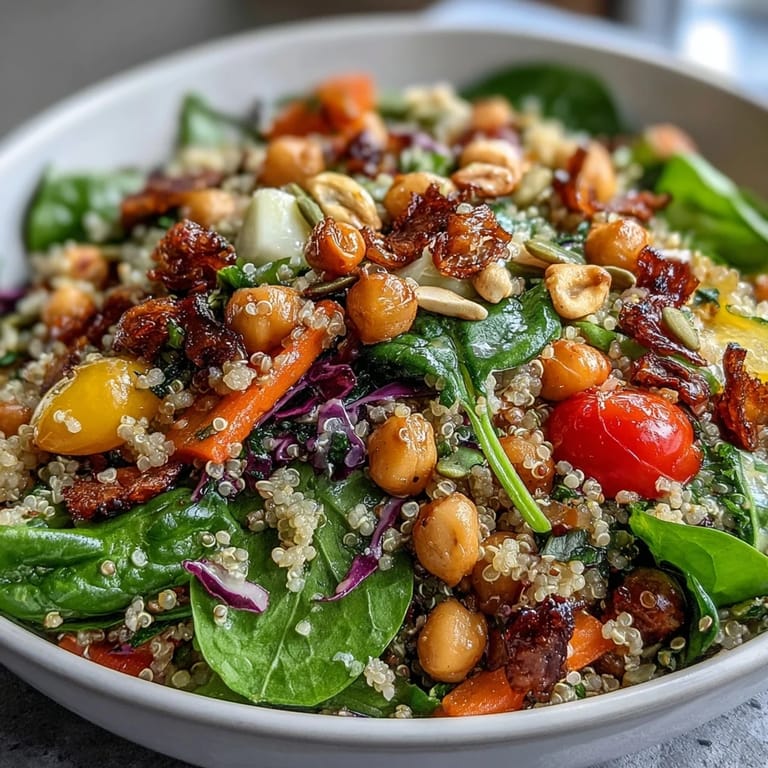
The beauty of this salad is that it's basically a template—a grain base, a vegetable rainbow, a protein component, something crunchy, and something fresh. Once you understand that structure, you can swap almost anything and it will work. Use what you actually have in your kitchen and what you genuinely want to eat, because that's the difference between a recipe you make once and one that becomes part of your regular rotation.
- Keep pre-prepped vegetable containers in your fridge so assembly takes five minutes instead of thirty.
- Toast your own nuts and seeds if you have time—the flavor difference is worth the minimal effort.
- Make extra dressing and keep it in a jar; it lasts a week and works on literally any salad.
 Save to Pinterest
 This bowl has become the meal I make when I want to feel good, feed people I care about, and not stress about whether everything turned out restaurant-quality. That combination of nourishment and genuine pleasure is harder to achieve than it should be, and this recipe delivers both.
Recipe Questions & Answers
- → How long does this bowl stay fresh?
This bowl stays fresh for 3-4 days when stored in an airtight container in the refrigerator. Keep the dressing separate and add just before serving to maintain the best texture and prevent sogginess.
- → Can I use different grains?
Absolutely. Brown rice, farro, bulgur, or millet work beautifully. For gluten-free options, stick with quinoa, buckwheat, or certified gluten-free grains. Cook grains ahead of time and cool completely before assembling.
- → What vegetables work best?
Any colorful vegetables create beautiful presentation. Try roasted sweet potato, shredded beets, red onion, corn, edamame, or bell peppers in various colors. The key is using different colors, textures, and seasonal produce for maximum visual appeal.
- → How can I add more protein?
Top with grilled tofu, tempeh, or hemp seeds. Feta or goat cheese work well if not vegan. Hard-boiled eggs, shredded chicken, or baked salmon also pair nicely. The chickpeas and black beans already provide 14g protein per serving.
- → Can I make the dressing ahead?
Yes, prepare dressing up to one week in advance. Store in a jar in the refrigerator and shake well before using. The garlic flavor will mellow and meld beautifully over time. Add fresh herbs right before serving.
- → Is this suitable for meal prep?
Perfect for meal prep. Assemble individual containers with grains, vegetables, and beans. Keep dressing separate and add when ready to eat. The flavors actually improve after marinating together for a day, making leftovers even more delicious.