 Save to Pinterest
 The skillet was too hot, and I could smell the butter browning too fast. My first three-cheese grilled cheese nearly turned into a charcoal experiment, but I caught it just in time, flipped it with shaky hands, and watched the cheese ooze out the sides like liquid gold. That sandwich taught me more about heat control than any cookbook ever did. Now, I keep the flame low, the patience high, and the results consistently perfect.
I made this for my neighbor during a snowstorm when the power had just come back on. We sat at my kitchen counter with mugs of tomato soup, and she told me it was the best thing she had eaten all week. The cheese stretched between our plates as we pulled the halves apart, and for a few minutes, the cold outside did not matter at all. That is when I realized this sandwich is not just food, it is a reset button for rough days.
Ingredients
- Country-style or sourdough bread: The sturdy structure holds up to all that melted cheese without turning soggy, and the slight tang from sourdough adds a beautiful contrast to the richness.
- Mozzarella cheese: This is your stretch factor, the cheese that creates those Instagram-worthy pulls and adds a mild, creamy base to the blend.
- Sharp cheddar cheese: It brings the boldness and a slight bite that keeps the sandwich from tasting one-note, cutting through the richness with its sharpness.
- Provolone cheese: Smooth and slightly smoky, provolone rounds out the trio with a mellow flavor that ties everything together beautifully.
- Unsalted butter: Softened butter spreads evenly and crisps up into a golden, crackling crust that shatters perfectly under your teeth.
- Dijon mustard: Just a whisper of it on the inside adds a subtle tang that makes people ask what your secret is.
- Black pepper: A pinch wakes up the cheese and adds a gentle warmth that lives quietly in the background.
Tired of Takeout? 🥡
Get 10 meals you can make faster than delivery arrives. Seriously.
One email. No spam. Unsubscribe anytime.
Instructions
- Prep Your Bread:
- Lay out your bread slices and, if you are feeling adventurous, spread a thin layer of Dijon mustard on two of them. This little step adds a grown-up twist that sneaks up on you halfway through the sandwich.
- Mix the Cheese:
- Toss the mozzarella, cheddar, and provolone together in a small bowl until they are well combined. Mixing them first ensures every bite has all three cheeses instead of isolated pockets.
- Assemble the Sandwiches:
- Divide the cheese mixture evenly between two bread slices, then sprinkle with black pepper if you like. Top with the remaining slices to form two sandwiches.
- Butter the Outsides:
- Spread a thin, even layer of softened butter on the outside of each sandwich, covering both top and bottom. Do not skip the edges or you will end up with pale, sad corners.
- Heat Your Skillet:
- Set a large nonstick skillet or griddle over medium-low heat and let it warm up gradually. Patience here is everything; too high and you burn the bread before the cheese even thinks about melting.
- Cook the Sandwiches:
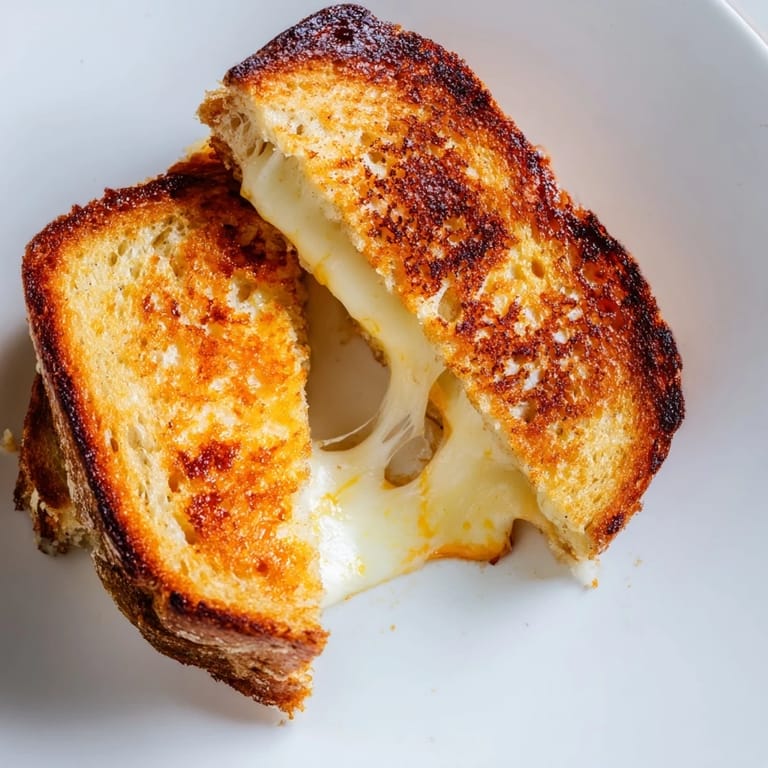
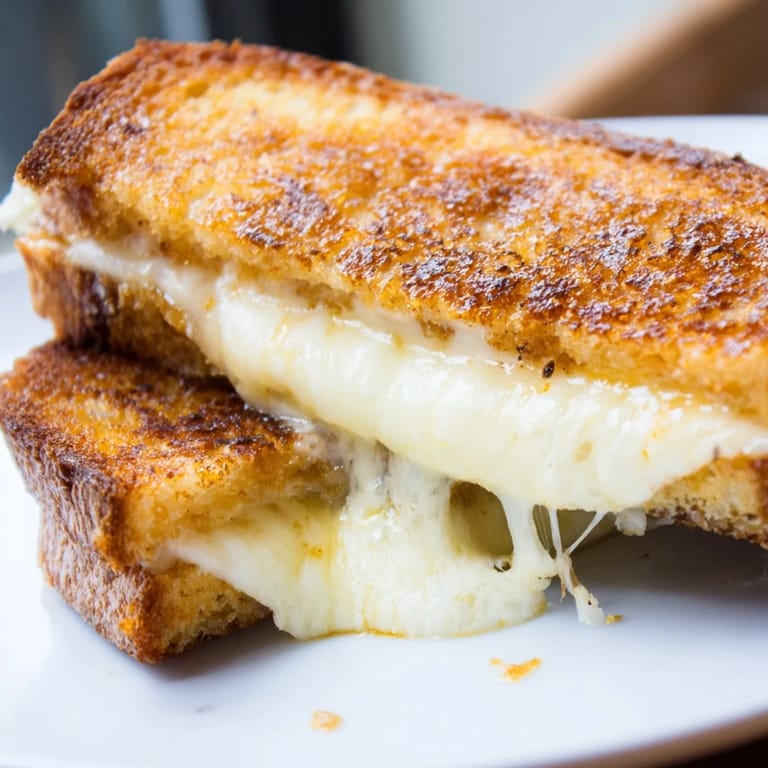
- Place the sandwiches in the skillet and cook for three to four minutes per side, pressing gently with a spatula to help the cheese melt evenly. You will know it is ready when the crust turns deep golden brown and the cheese starts peeking out the edges.
- Rest and Serve:
- Remove from the pan and let the sandwiches rest for one minute so the cheese sets just enough to not burn your tongue. Slice and serve immediately while they are still gloriously hot.
 Save to Pinterest
 One evening, my teenager wandered into the kitchen and asked what smelled so good. I handed him half of this sandwich, still warm, and watched his eyes widen as he pulled it apart and saw the cheese stretch across the gap. He did not say much, but he came back the next day and asked if we could make it again. That is when I knew this recipe had earned its place in our regular rotation.
Choosing Your Bread
Not all bread is created equal when it comes to grilled cheese. Country-style and sourdough hold up to the weight of three cheeses without collapsing into a soggy mess, and their slight chewiness adds texture that plain white bread just cannot match. I have tried this with everything from rye to ciabatta, and while they all work, nothing beats the balance of a good sourdough. If your bread is pre-sliced, look for thicker cuts; thin slices turn crispy too fast and do not give the cheese enough time to melt properly. Fresh bread from the bakery section makes a noticeable difference, even if it costs a bit more.
The Magic of Low and Slow
Rushing a grilled cheese is like rushing a conversation; you miss all the good stuff. Cooking over medium-low heat gives the cheese time to soften and meld while the bread gradually turns golden and crisp. I used to crank the heat up to save time, and every single time I ended up with a sandwich that looked perfect but had a cold, rubbery center. Now I start the pan on medium-low, let it warm up properly, and then just wait. The butter will sizzle gently, not violently, and the bread will toast evenly from edge to edge. Trust the process, even when it feels slow.
Simple Upgrades That Make a Difference
This sandwich is perfect as written, but small additions can take it somewhere new without complicating things. Sliced tomatoes add a juicy burst that cuts the richness, while caramelized onions bring a sweet, savory depth that feels almost fancy. I have tucked in fresh basil leaves, layered on thinly sliced apples, and even added a few pickled jalapeños when I wanted heat. Each time, the three-cheese base held its own and let the extras shine.
- Swap butter for a thin layer of mayonnaise on the outside for an even crispier, golden crust with a slightly tangy finish.
- Serve alongside a bowl of tomato soup for dipping, because some classics exist for a reason and should never be questioned.
- Use a cast iron skillet if you have one; the even heat distribution makes for the most beautifully browned crust you have ever seen.
 Save to Pinterest
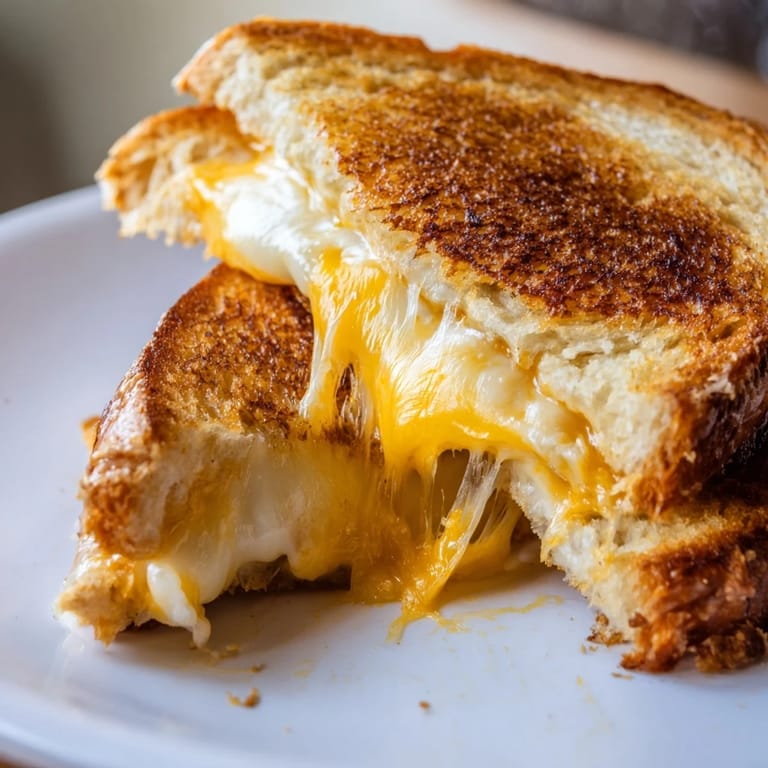
 There is something deeply satisfying about pulling apart a hot grilled cheese and watching the cheese stretch between the halves, knowing you made it exactly right. Keep the heat low, the butter generous, and the patience steady, and you will have a sandwich worth sitting down for every single time.
Recipe Questions & Answers
- → What type of bread works best for this sandwich?
Country-style or sourdough bread provides excellent texture and structure. These varieties have a sturdy crumb that won't fall apart during cooking while developing a satisfying crispy exterior. Avoid thin white bread, which tends to become soggy.
- → How do I prevent the cheese from leaking out?
Ensure even cheese distribution and avoid overfilling. Keep heat at medium-low to allow cheese time to melt without the bread burning. Using a spatula to gently press while cooking helps the sandwich hold together while melting the cheese evenly.
- → Can I prepare this sandwich ahead of time?
Assemble the sandwich up to 2 hours ahead, but cook just before serving for optimal texture. The butter coating can separate if assembled too far in advance. For best results, butter the bread immediately before cooking.
- → What's the difference between using mayonnaise and butter?
Butter creates a cleaner, more traditional golden crust with rich dairy flavor. Mayonnaise produces a crispier, more textured exterior due to its fat content and emulsifiers. Both methods work; choose based on your preferred crust texture and flavor profile.
- → How do I know when the cheese is fully melted?
Gently press the sandwich with your spatula—it should feel soft and slightly compress if the cheese has melted. A fully melted cheese will also create slight seepage at the bread edges. The entire cooking process typically takes 6-8 minutes total.
- → Can I use a griddle instead of a skillet?
Absolutely. A griddle offers more even heat distribution and space for cooking multiple sandwiches simultaneously. Use the same medium-low heat setting and watch for consistent browning across the entire surface.