 Save to Pinterest
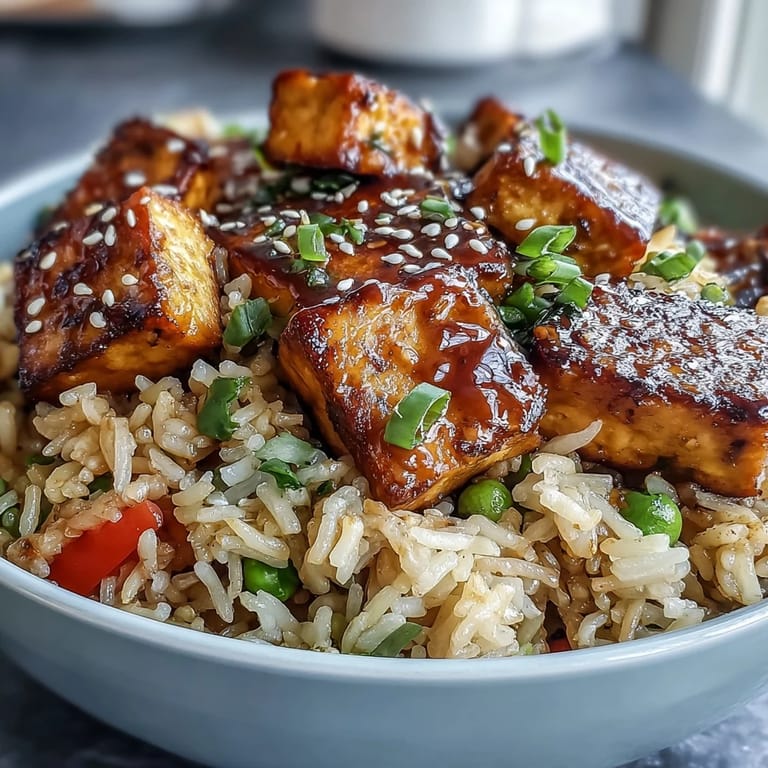
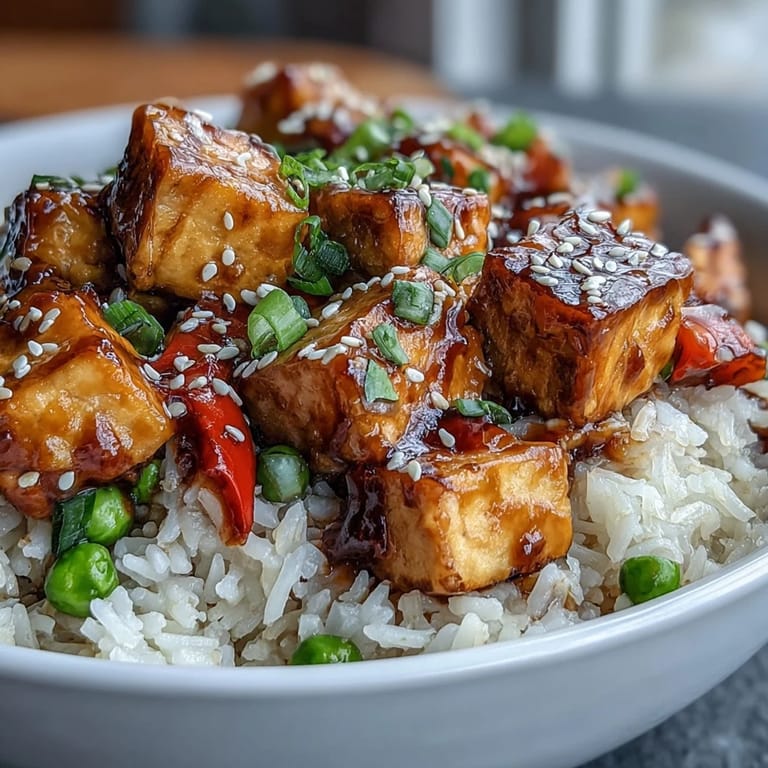
 Last summer, my roommate challenged me to make something TikTok-worthy with whatever was in the pantry, and I found myself staring at a block of tofu and three-day-old rice. The trick, I discovered while frantically googling, was treating that tofu like a golden treasure: press it, coat it, and let it get genuinely crispy in hot oil. What emerged was this sesame-ginger fried rice that tasted nothing like the sad desk lunch I'd imagined, and everything like the kind of meal you'd order from a trendy spot downtown.
I made this for my best friend on a random Tuesday night when she was stressed about work, and watching her face light up when she tasted the crispy tofu was the kind of small kitchen magic that makes cooking feel worthwhile. She asked for the recipe immediately, then came back a week later to tell me she'd made it three times already and was converting her entire friend group into believers.
Ingredients
- Firm tofu (400g): The key is pressing it well beforehand to remove excess moisture; this is what transforms it from soft to genuinely crispy when it hits the hot oil.
- Cornstarch (2 tbsp): This creates that golden, slightly crunchy exterior that makes people forget they're eating tofu.
- Salt (1/2 tsp): A small amount goes directly on the tofu before coating; this seasoning step happens early and makes a real difference.
- Vegetable oil (2 tbsp plus more): Use something neutral with a high smoke point; peanut oil works beautifully if you have it.
- Frozen peas and carrots (1 cup): Thaw them first or they'll cool down your rice and release extra water into the pan.
- Red bell pepper (1 small): The sweetness balances the umami from the soy sauce, and it adds both color and texture.
- Green onions (3): Separate the white parts (which cook with aromatics) from the green tops (which garnish at the end); this simple step makes the flavors cleaner.
- Garlic and ginger (2 cloves and 1 tbsp): Fresh is non-negotiable here; the aroma when these hit the hot oil signals that everything is about to taste restaurant-quality.
- Cold cooked rice (4 cups): Day-old rice from the fridge is genuinely superior because the grains are already separated and won't clump when you stir-fry.
- Soy sauce (3 tbsp): Use tamari if you need gluten-free; low-sodium brands let you control the salt level more precisely.
- Toasted sesame oil (1 tbsp): This is the finishing touch that elevates everything; buy the good stuff and don't skimp.
- Rice vinegar (1 tbsp): The acidity brightens all the other flavors and prevents the dish from tasting too heavy.
- Honey or maple syrup (1 tbsp): A touch of sweetness rounds out the savory-spicy-tangy balance; maple syrup is the vegan choice.
- Sriracha or chili paste (1 tsp optional): Add this if you want a gentle heat; it's optional because not everyone loves spice, but I usually do.
- Sesame seeds (1 tbsp in sauce, 1 tbsp for garnish): Toasting them yourself takes two minutes and quadruples their flavor impact.
Tired of Takeout? 🥡
Get 10 meals you can make faster than delivery arrives. Seriously.
One email. No spam. Unsubscribe anytime.
Instructions
- Press and prepare the tofu:
- Wrap your drained tofu block in clean kitchen towels or paper towels and place it on a plate. Set something heavy on top (a cast iron skillet, some cans, a cookbook) and let it sit for at least 10 minutes while you prep everything else. The more water you extract now, the crispier it will become.
- Cut and coat the tofu:
- Cut the pressed tofu into 1.5 cm cubes and pat each piece dry with a fresh paper towel. In a bowl, toss the cubes with cornstarch and salt, making sure every surface gets coated; this is the armor that creates the golden crust.
- Crisp the tofu to golden perfection:
- Heat vegetable oil in your large skillet or wok over medium-high heat until it shimmers slightly. Add tofu cubes in a single layer, resisting the urge to move them around, and let them cook undisturbed for 2 to 3 minutes per side until each side turns golden brown. You'll hear them sizzle and smell that nutty, toasted aroma; that's how you know it's working.
- Build the aromatic base:
- Add a touch more oil to the same pan if it looks dry. Toss in your minced garlic, grated ginger, and the white parts of your sliced green onions, stirring constantly for about 1 minute until the kitchen smells absolutely incredible. This is where the magic starts.
- Add the vegetables:
- Stir in your diced red bell pepper and the thawed peas and carrots mix. Keep the heat high and stir frequently for 2 to 3 minutes; you want the vegetables to stay slightly crisp, not mushy.
- Introduce the rice and create texture:
- Pour in your cold rice, breaking apart any clumps as you go. Stir and toss everything together for 3 to 4 minutes, letting the rice heat through and develop little crispy bits against the hot pan surface.
- Make the sauce and tie everything together:
- While the rice cooks, whisk together soy sauce, toasted sesame oil, rice vinegar, honey, sriracha if using, and 1 tsp of sesame seeds in a small bowl. Pour this mixture over the rice and toss everything together for about 1 minute until the sauce coats every grain.
- Bring back the crispy tofu and finish:
- Gently fold the crispy tofu back into the pan, trying to keep the pieces intact so they stay crunchy. Remove from heat, top with toasted sesame seeds and those reserved green onion tops, and serve immediately while everything is still hot.
 Save to Pinterest
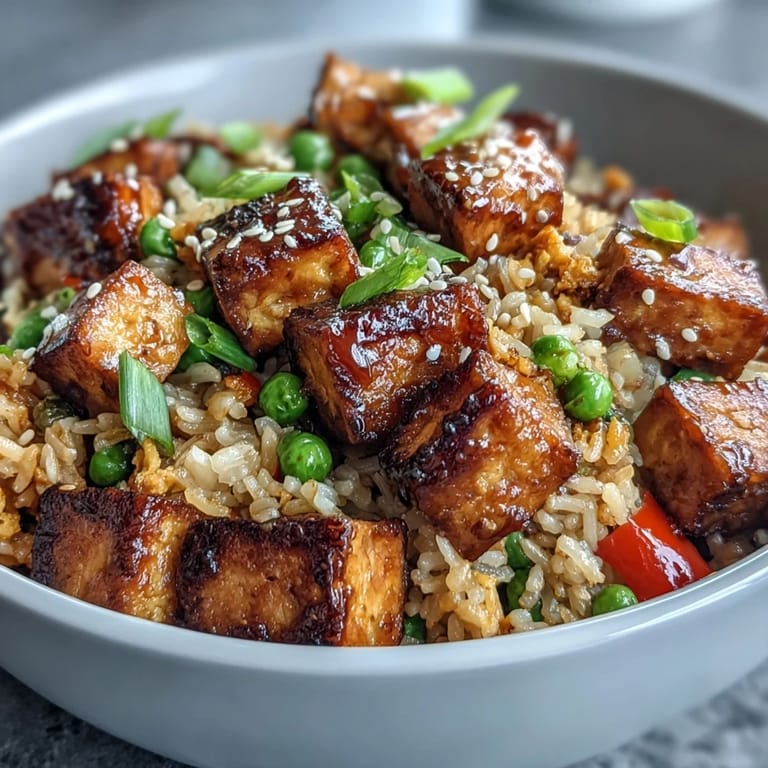
 There's something deeply satisfying about the moment when crispy, golden tofu meets seasoned rice and everything comes together in your bowl. It's the kind of dish that makes you feel resourceful, like you've taken simple ingredients and turned them into something that tastes like it took hours.
The Science of Crispiness
The cornstarch coating isn't just for show; it creates a starch shell that turns golden and crunchy when exposed to high heat, while the interior stays tender. This same technique is used in Asian cooking to achieve that signature texture on everything from tempura to crispy chicken. What makes it work is the combination of dry tofu, a protective starch layer, and oil that's hot enough to create a real sizzle without being so hot that it burns the outside before the inside warms through.
Playing with Flavors and Heat
The beauty of this recipe is how easily it adapts to what you actually have in your kitchen and what your taste buds are craving. If you love heat, load up the sriracha or add fresh Thai chilies; if you prefer milder flavors, skip it entirely and let the sesame oil and ginger shine. Some nights I add a splash of fish sauce for deeper umami, other nights I keep it purely vegetarian and the dish doesn't suffer one bit. The sauce is flexible enough that you can adjust the ratios based on whether you want it sweeter, more salty, or more acidic.
Make It Work for Your Kitchen
This recipe honestly tastes exactly the same whether you use a proper wok or a regular nonstick skillet; what matters is that your pan is large enough so the rice doesn't get overcrowded, and that your heat source is reliable enough to maintain a steady medium-high temperature. If you're nervous about the tofu sticking, invest in a quality nonstick skillet or use an air fryer to crisp the tofu instead; both methods work beautifully and take the stress out of the process. The whole thing comes together in about 40 minutes from start to finish, which makes it perfect for busy weeknights when you want something that tastes like effort but requires minimal fuss.
- Prep everything before you start cooking: measure out your sauce ingredients, cut your vegetables, and have your rice ready, because once the pan gets hot, things move fast.
- Taste as you go and adjust the seasoning: everyone's soy sauce is different, and some rice is saltier than others, so don't be shy about adding more sauce or a pinch of salt if needed.
- Keep the heat high but don't panic: high heat creates those crispy bits and golden tofu, not burnt food; trust the process and stir regularly.
 Save to Pinterest
 This sesame tofu fried rice has become my go-to recipe when I want to feel like I've actually cooked something, even on nights when all I've done is reheat leftover rice and throw things together. It's the kind of meal that makes you remember why you enjoy spending time in the kitchen.
Recipe Questions & Answers
- → Why use cold cooked rice instead of fresh?
Cold rice from the previous day has dried out slightly, which prevents clumping and allows individual grains to develop crispy edges during stir-frying. Fresh rice contains too much moisture and turns mushy.
- → How do I get the tofu really crispy?
Press the tofu thoroughly to remove excess moisture, coat evenly in cornstarch, and avoid overcrowding the pan. Cook in batches if needed, letting each side develop a deep golden crust before turning. For extra crunch, try double-frying or using an air fryer.
- → Can I use different vegetables?
Absolutely. Broccoli florets, snap peas, shredded cabbage, bean sprouts, or baby corn all work beautifully. Add longer-cooking vegetables like broccoli with the bell pepper, and quick-cooking ones near the end.
- → Is this dish spicy?
The base version has gentle warmth from ginger and garlic but isn't spicy. The sriracha is optional—add it for mild heat or increase to your preference. You can also use chili garlic sauce, sambal oelek, or fresh sliced chilies.
- → What protein alternatives work in this dish?
While tofu creates the perfect crispy texture, you could substitute with edamame, tempeh, scrambled eggs, or even cooked chicken or shrimp. Adjust cooking times accordingly, as these proteins cook faster than crispy tofu.
- → Can I make this gluten-free?
Yes. Use tamari instead of soy sauce, and verify all condiments are certified gluten-free. The cornstarch coating is naturally gluten-free, making this an easy adaptation.